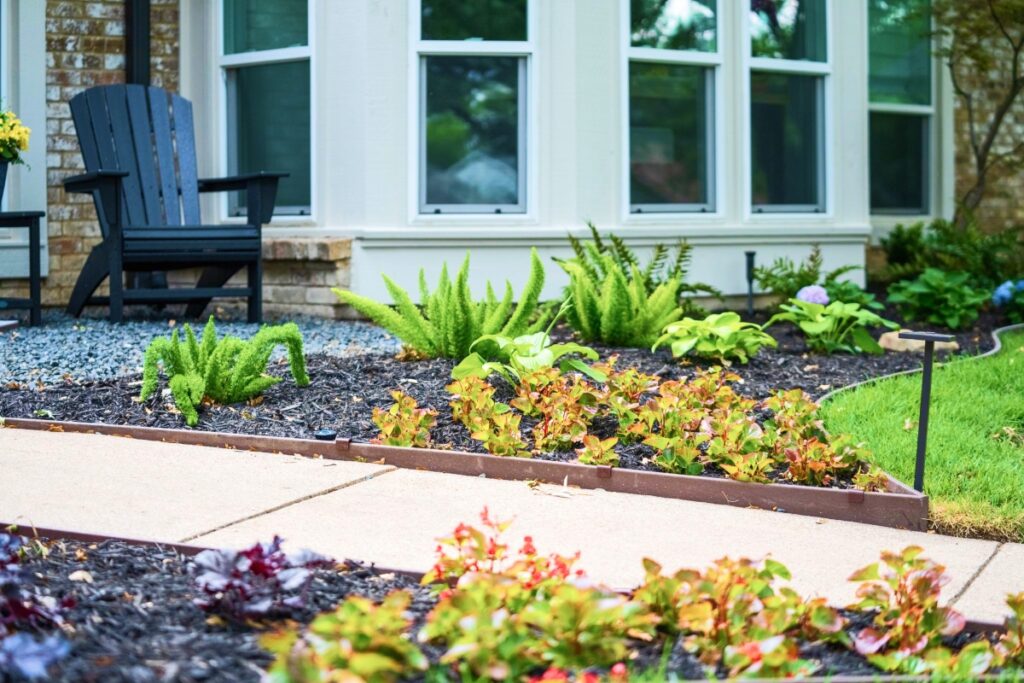
A beautiful landscape can make a property feel more welcoming, comfortable, and complete. Whether it is a family home, office, retail property, or larger commercial space, the right outdoor design can improve both appearance and everyday use. However, creating an attractive landscape requires more than choosing a few plants and placing them around the yard.
Dallas properties have unique outdoor needs. Hot summers, changing weather, soil conditions, and different property layouts can all affect how a landscape performs. Good planning helps property owners choose suitable plants, organize outdoor areas, and create a landscape that is easier to care for.
Professional landscaping services in Dallas TX can help turn an ordinary outdoor area into a useful and attractive part of the property. From landscape design and planting to lawn care and hardscaping, each part of the project can be planned around the property’s needs.
Understanding the Needs of a Dallas Landscape
Every property is different. A small residential yard may need a simple lawn, planting beds, and a comfortable seating area. A larger property may require trees, pathways, outdoor living areas, drainage solutions, and more extensive maintenance.
Before beginning a landscaping project, it is important to understand the conditions of the property. The amount of sunlight, soil quality, drainage, available space, and intended use can all influence the final design.
A thoughtful approach also considers how the landscape will look as plants mature. Trees and shrubs that appear small when installed can eventually require much more room. Planning ahead helps prevent overcrowding and unnecessary changes later.
What Professional Landscaping Services Can Provide
Landscaping covers much more than lawn installation. Depending on the property, a professional team can help with both softscape and hardscape elements.
Some common landscaping services include:
- Landscape design and installation
- Lawn installation and maintenance
- Tree and shrub planting
- Flower bed installation
- Mulching and soil improvement
- Irrigation planning
- Patio and walkway installation
- Outdoor living space development
- Landscape lighting
- Seasonal cleanup and maintenance
The exact services needed depend on the property’s condition and the owner’s goals. A good landscaping plan should focus on what the property actually needs rather than adding features simply for appearance.
Why Professional Landscape Design Makes a Difference
Landscape design provides a plan for how different outdoor elements will work together. Without a clear plan, a yard can easily become crowded, difficult to maintain, or disconnected from the style of the property.
Professional design considers the relationship between plants, lawn areas, walkways, patios, trees, and other features. It also considers how people will move through and use the space.
Making Better Use of Available Space
Even a smaller yard can become more useful with thoughtful planning. A landscape designer can identify areas for seating, planting, recreation, pathways, and other purposes.
For larger properties, careful planning becomes even more important. Dividing the landscape into practical areas can make the outdoor space easier to navigate while creating a more organized appearance.
Creating a Balanced Appearance
A well designed landscape usually combines different types of plants and outdoor features. Trees can provide height and shade, shrubs can define areas, and smaller plants can add seasonal interest.
Open lawn areas can balance planting beds and provide flexible space for outdoor activities. The result should feel natural rather than overcrowded.
Choosing Plants for Dallas Conditions
Plant selection can have a major effect on the long term success of a landscape. A plant that performs well in one environment may struggle in another because of differences in heat, sunlight, soil, or water availability.
Professionals can evaluate the property and recommend plants that are appropriate for the conditions. This helps property owners make informed choices instead of selecting plants based only on appearance.
Considering Sunlight and Soil
Different parts of the same property can have very different growing conditions. One planting bed may receive direct sunlight for most of the day, while another may remain shaded.
Soil conditions also matter. Understanding the existing soil can help determine which plants are suitable and whether improvements are needed before installation.
Planning for Water Needs
Water requirements should be considered when designing a landscape. Grouping plants with similar needs can make watering more practical and may help prevent some areas from receiving too much or too little water.
Proper drainage is equally important. Water that collects around plants or near structures can create problems over time, so drainage should be considered during the planning process.
Landscaping for Residential Properties
Home landscaping should support the way residents use their outdoor space. Some families may want an open lawn for activities, while others may prefer gardens, patios, shade trees, or quiet areas for relaxation.
A residential landscape can also create a stronger connection between indoor and outdoor spaces. A patio located near a kitchen or living area, for example, can make outdoor dining and entertaining more convenient.
Designing Comfortable Outdoor Living Areas
Outdoor living has become an important part of many residential landscapes. Patios, seating areas, walkways, shade trees, and planting beds can turn a basic backyard into a place where people want to spend time.
The design should consider furniture placement, movement, shade, privacy, and access. These details can make an outdoor space more comfortable without making it unnecessarily complicated.
Landscaping for Commercial Properties
Commercial landscaping has a different purpose. The landscape needs to support the property’s appearance while also allowing customers, employees, and visitors to move around safely and comfortably.
Professional landscape contractors in Dallas TX can help businesses develop outdoor areas that complement their buildings and brand image. Entrances, walkways, signs, parking areas, and gathering spaces should all be considered as part of the overall design.
Creating a Strong First Impression
The landscape is often one of the first things customers see when they arrive. A clean lawn, healthy plants, defined planting areas, and well maintained pathways can contribute to a professional appearance.
Regular maintenance is especially important for commercial properties because neglected landscaping can quickly affect the way the entire property looks.
Hardscaping Adds Function to a Landscape
Plants are only one part of a complete outdoor design. Hardscaping includes built features such as patios, walkways, retaining walls, seating areas, and other surfaces.
Patios and Gathering Areas
A patio can provide a dedicated location for outdoor meals, conversations, or relaxation. Its size and placement should match the property’s available space and how the area will be used.
Walkways and Paths
Walkways make it easier for people to move between different parts of a property. They can connect entrances with patios, gardens, pools, or other destinations.
Well planned pathways can also add structure to a landscape and create clear movement through the outdoor space.
Landscape Maintenance Protects Your Investment
Installing a landscape is only the beginning. Lawns need regular attention, plants continue to grow, and outdoor areas require cleaning and upkeep.
A maintenance plan may involve:
- Mowing and lawn care
- Pruning and trimming
- Weed management
- Mulching
- Seasonal cleanup
- Plant health monitoring
- Irrigation checks
- Tree and shrub care
The frequency of maintenance depends on the landscape design, plant selection, season, and property requirements. Regular care helps keep the landscape looking organized and allows potential issues to be identified earlier.
Choosing the Right Landscaping Contractor
Selecting the right contractor is an important part of any landscaping project. Property owners should consider experience, communication, project quality, and the services offered.
Before work begins, discuss the design, materials, plant choices, expected maintenance, project schedule, and scope of work. Asking questions early can help ensure that everyone has the same understanding of the project.
It is also helpful to review examples of previous landscaping work. This can provide a better idea of the contractor’s approach and the type of projects they are experienced in completing.
A reliable professional should be willing to explain recommendations clearly and adapt the plan to the property’s practical needs.
Planning a Landscape That Lasts
The best landscape is not necessarily the one with the most features. It is the one that fits the property, supports the way people use the space, and can be maintained properly.
Good planning considers both immediate appearance and future growth. Plants will mature, outdoor spaces will be used regularly, and maintenance requirements will change throughout the seasons.
Taking these factors into account from the beginning can help property owners avoid unnecessary replacements and create an outdoor space that remains useful for years.
Conclusion
A successful landscape combines thoughtful design, suitable plants, practical outdoor features, and consistent care. Whether you are improving a residential yard or upgrading a commercial property, professional guidance can help you make better decisions about layout, planting, hardscaping, and maintenance. For property owners seeking dependable landscaping services in Dallas TX, Prestige Landscape offers professional solutions focused on creating attractive and functional outdoor spaces that fit each property’s needs.