Commercial Interior Lighting: Improve Workplace Comfort and Efficiency
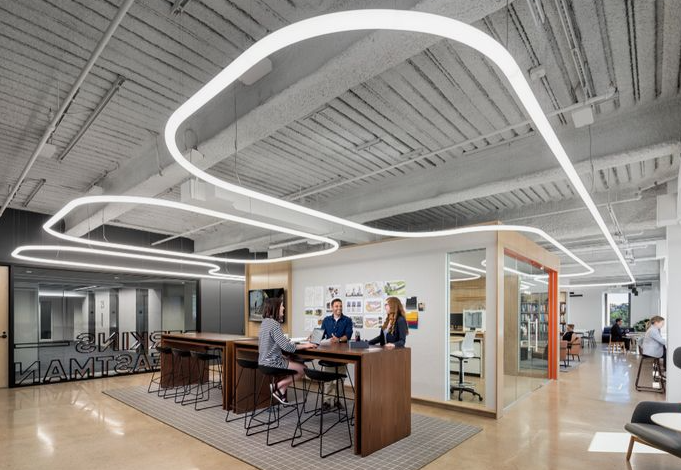
Lighting is one of the most influential elements within a commercial environment. It affects how people see products, navigate spaces, perform tasks, and experience a business from the moment they enter. Well-planned commercial interior lighting goes beyond simply providing sufficient brightness; it considers the purpose of each area, the activities taking place there, visual comfort, energy use, and the character a business wants to create. Offices, retail stores, restaurants, healthcare facilities, showrooms, and industrial environments can all require different approaches to interior illumination.
Businesses also need lighting systems that remain practical over years of operation. Poorly positioned fixtures, excessive glare, inconsistent brightness, or unsuitable colour temperatures can make an otherwise well-designed space less comfortable and functional. A thoughtful lighting plan considers the architecture, ceiling height, natural daylight, working requirements, customer movement, and maintenance needs before fixtures are selected. By approaching lighting as part of the overall interior design rather than an afterthought, businesses can create spaces that are easier to use and more visually cohesive.
Understanding the Role of Commercial Interior Lighting
Interior lighting serves several purposes simultaneously, from basic visibility to atmosphere and visual communication. General or ambient lighting establishes an overall level of illumination, while task lighting focuses light where detailed activities are performed. Accent lighting can draw attention to merchandise, architectural features, displays, artwork, or branded areas. These layers can work together to create a balanced environment rather than relying on one type of fixture throughout the entire property. The ideal arrangement depends on the business and how people interact with the space. For example, an office may prioritize comfortable illumination for screens and paperwork, while a retail environment may require carefully directed light to highlight products. Understanding these distinctions helps businesses avoid installing a uniform lighting system that does not adequately address the needs of individual areas.
Choosing Fixtures for Different Commercial Spaces
The right fixture depends on both the physical characteristics of a space and its intended use. Recessed fixtures can provide a clean appearance where ceiling construction allows them, while linear lighting may work effectively across offices, corridors, and larger open areas. Pendant fixtures can contribute both functional illumination and visual character in reception areas, hospitality settings, or customer-facing spaces. Track lighting offers flexibility when businesses need to direct light toward changing displays or specific architectural features. Wall-mounted fixtures can supplement general illumination and help create visual interest in areas where ceiling lighting alone is insufficient. Businesses should evaluate fixture placement, beam distribution, maintenance access, ceiling conditions, and compatibility with existing electrical systems before making decisions. A visually attractive fixture is not necessarily the right solution if it produces poor light distribution or creates maintenance difficulties.
Colour Temperature and Visual Comfort
The colour characteristics of light can influence how a commercial space feels and how accurately people perceive surfaces and products. Warmer light can create a more relaxed and welcoming atmosphere, making it suitable for certain hospitality, lounge, or customer-oriented environments. Cooler or neutral light can provide a crisp appearance that may suit offices, work areas, healthcare environments, and spaces where visual precision is important. The choice should be based on the purpose of the room rather than following a universal preference. Glare is another important consideration. Excessively bright fixtures or poorly positioned light sources can create discomfort, particularly around computer screens, reflective surfaces, glass, and polished finishes. Effective planning aims to provide adequate illumination while controlling glare and maintaining visual consistency throughout the space.
Energy Efficiency and Operating Costs
Energy consumption is an important consideration for businesses that operate lighting for long periods each day. Modern lighting systems can provide opportunities to reduce electricity use through efficient fixtures, intelligent controls, occupancy sensors, daylight-responsive systems, and appropriate scheduling. However, energy efficiency should not be considered independently from lighting quality. Installing fewer fixtures simply to reduce consumption may result in inadequate illumination, while excessive brightness can waste energy without improving the environment. A more practical approach is to determine the required light levels for each area and select equipment capable of delivering those requirements efficiently. Businesses should also consider the total operating cost, including electricity, replacement components, cleaning, servicing, and potential downtime. A lighting system that balances performance with manageable maintenance can provide greater long-term value than a solution based solely on its initial purchase price.
Lighting Design for Branding and Customer Experience
Commercial lighting can contribute significantly to how customers perceive a business. In retail environments, carefully positioned lighting can help products stand out without creating distracting reflections or harsh shadows. Restaurants may use layered lighting to establish different moods throughout dining, service, and waiting areas. Reception spaces can use lighting to emphasize architectural details, company colours, signage, or branded installations. Showrooms may require adjustable systems so displays can be changed without redesigning the entire lighting arrangement. The important principle is consistency: lighting should support the intended character of the space while remaining functional. When lighting works with finishes, furniture, signage, and architectural elements, the result can feel more intentional and professional. Businesses should therefore consider lighting during interior planning rather than trying to add it after all other design decisions have been finalized.
Smart Controls and Flexible Lighting Systems
Technology has made commercial lighting increasingly adaptable. Automated controls can allow businesses to adjust illumination according to occupancy, time of day, daylight availability, or specific operational requirements. Dimming systems can provide different lighting levels for meetings, cleaning, presentations, customer service, or after-hours operation. In larger facilities, centralized controls can simplify monitoring and help identify areas where lighting is operating unnecessarily. Sensors can also reduce energy use in spaces that are occupied intermittently, such as storage rooms, corridors, and restrooms. However, sophisticated controls should be selected according to actual operational needs. A system that is unnecessarily complicated may be difficult for staff to manage and maintain. The best approach is to introduce technology where it solves a practical problem and provides measurable convenience or efficiency.
Installation, Maintenance, and Long-Term Performance
A successful lighting project does not end when fixtures are installed. Positioning, electrical compatibility, mounting conditions, controls, and access for future servicing all affect long-term performance. Fixtures installed in high ceilings or difficult-to-access locations may require specialized maintenance equipment, so replacement procedures should be considered during planning. Businesses should also establish a routine for inspecting fixtures, cleaning accessible components, checking controls, and addressing failures before they become widespread. Consistency is particularly important in commercial environments because mismatched colour characteristics or failed fixtures can make a space appear poorly maintained. When upgrading an existing system, businesses should evaluate the current electrical infrastructure and determine whether controls or wiring require modification. Professional planning can help ensure that the new system integrates effectively with the building instead of creating avoidable technical or maintenance challenges.
Conclusion
Effective commercial interior lighting requires a balance between visibility, comfort, aesthetics, energy performance, and practical maintenance. Businesses should begin by identifying how each area is used and then select fixture types, light distribution, colour characteristics, controls, and installation methods accordingly. Layered lighting can provide greater flexibility than a single uniform approach, while efficient technology and intelligent controls can help manage ongoing operating costs. Equally important is the relationship between lighting and the broader commercial environment, including architecture, branding, products, furniture, and customer movement. By treating lighting as an essential part of commercial space planning, businesses can create interiors that are functional, comfortable, visually consistent, and prepared to support everyday operations over the long term.