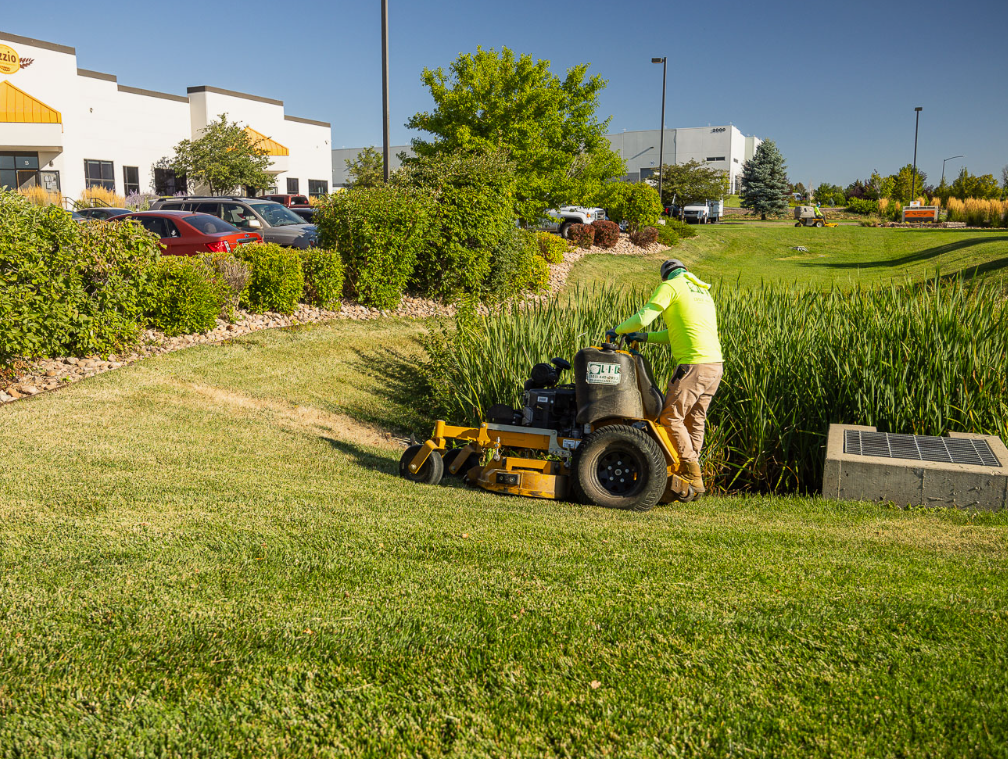
The exterior of a commercial property often creates the first impression for customers, employees, tenants, and visitors. Clean lawns, healthy plants, trimmed shrubs, defined planting beds, and well-maintained outdoor areas can make a property appear organized and cared for. Effective commercial landscape maintenance goes beyond occasional mowing by creating a consistent system for managing the many elements that contribute to an attractive and functional business environment.
Commercial properties also face different landscaping demands than residential yards. Larger spaces, regular foot traffic, customer visibility, parking areas, entrances, drainage requirements, and operational schedules all influence how outdoor spaces should be maintained. A professional commercial landscape maintenance program can help property owners and managers address these demands through scheduled care, seasonal adjustments, and ongoing observation of landscape conditions.
Why Commercial Landscape Maintenance Matters
A commercial landscape is a long-term investment that requires regular attention to preserve its appearance and functionality. When maintenance is inconsistent, grass can become overgrown, planting beds can lose definition, shrubs can obstruct walkways, and debris can accumulate in visible areas. These issues can make even a well-designed property appear neglected. Consistent maintenance helps prevent this gradual decline by addressing routine needs before they become more noticeable. It also provides an opportunity to identify developing concerns, such as declining plant health, damaged turf, drainage problems, or irrigation irregularities. Maintaining the property on a predictable schedule allows businesses to present a cleaner exterior while reducing the likelihood that small landscape problems will be overlooked.
Creating a Maintenance Plan for Commercial Properties
Every commercial property has different landscape requirements, so maintenance should begin with an understanding of the site. Property managers should consider the size of the grounds, types of vegetation, areas of high traffic, irrigation coverage, drainage patterns, building entrances, and the level of appearance expected. A maintenance schedule can then be organized around recurring tasks and seasonal changes. Mowing may require more frequent attention during periods of active growth, while pruning, seasonal cleanup, and planting bed maintenance may follow different timelines. Commercial sites can also benefit from clear communication about when work will occur, particularly when businesses operate during extended hours or receive frequent visitors. A structured plan helps coordinate maintenance without unnecessarily interfering with normal property operations.
Lawn and Turf Care
Healthy turf is often one of the most visible components of a commercial landscape. Maintaining it requires more than cutting grass whenever it becomes tall. Mowing height, frequency, equipment condition, irrigation, and seasonal growth all influence turf performance. Grass that is cut too aggressively may experience unnecessary stress, while neglected areas can quickly become difficult to manage. Edging around sidewalks, curbs, planting beds, and building areas can also create a more polished appearance. Regular observation is important because changes in color, density, or growth can indicate underlying issues. By combining routine mowing with appropriate watering practices and attention to problem areas, commercial properties can maintain more consistent turf conditions throughout the year.
Maintaining Trees, Shrubs, and Planting Beds
Trees and shrubs contribute structure, shade, privacy, and visual interest to commercial landscapes, but they require ongoing care as they mature. Overgrown shrubs can obstruct signs, windows, walkways, or entrances, while unmanaged trees may create clearance or safety concerns. Pruning should be performed with the plant’s growth pattern and purpose in mind rather than simply removing excessive growth. Planting beds also need regular attention to remain defined and attractive. Weed management, debris removal, soil observation, and seasonal plant care can help prevent beds from becoming visually cluttered. Coordinating these tasks with lawn maintenance creates a more cohesive appearance and ensures that individual landscape elements complement one another.
Seasonal Changes and Commercial Landscape Care
Outdoor landscapes change throughout the year, making seasonal planning an important part of commercial maintenance. Periods of active growth can increase mowing and trimming requirements, while hot weather can place additional stress on turf and ornamental plants. Seasonal debris may need to be removed regularly, particularly when leaves accumulate across lawns, planting beds, walkways, and entrances. Cooler periods may reduce growth but can still require preparation and cleanup. A professional maintenance program should therefore be flexible enough to respond to changing weather and landscape conditions. Instead of following exactly the same routine throughout the year, property managers can benefit from adjusting services according to what the landscape requires at each stage of the growing cycle.
Irrigation and Drainage Considerations
Water management can have a major influence on the condition of a commercial landscape. Irrigation systems need to provide appropriate coverage without creating unnecessary saturation or waste. Dry areas may indicate inadequate coverage, while repeatedly wet areas can point toward drainage or soil-related concerns. Heavy rainfall can further expose drainage weaknesses by creating standing water or erosion. These issues should be observed as part of regular landscape maintenance rather than treated as isolated problems. When water repeatedly collects in the same location, adjusting irrigation alone may not resolve the underlying cause. Evaluating grading, soil conditions, runoff, and drainage systems can provide a more practical path toward a long-term solution.
Maintaining Curb Appeal Without Disrupting Business Operations
Commercial landscaping must be performed with the property’s daily activities in mind. Work around entrances, parking areas, sidewalks, and customer-facing spaces should be organized to minimize unnecessary disruption. Scheduling can be especially important for businesses that experience heavy customer traffic during particular hours. A reliable maintenance provider should understand that landscape work is taking place within an active commercial environment. Clear communication about service schedules, special requests, property access, and unexpected conditions can help maintenance teams work more efficiently. The objective is to keep the property consistently presentable while allowing the business itself to continue operating normally.
Evaluating a Commercial Landscaping Provider
Choosing a landscape maintenance provider requires consideration of reliability, communication, experience, and the range of services available. Property owners should understand what routine maintenance includes and how the provider responds when conditions change or additional work becomes necessary. It can also be beneficial to work with a provider capable of addressing broader landscape needs, such as design and installation, drainage solutions, lighting, or landscape improvements. Limitless Landscaping provides landscape maintenance along with design and installation, drainage, and landscape lighting services for commercial properties and other outdoor environments. Having access to complementary services can simplify property management when a routine maintenance visit identifies an issue that requires specialized attention.
Long-Term Benefits of Consistent Landscape Maintenance
The value of commercial landscaping is easier to preserve when maintenance is approached as an ongoing process rather than an occasional cleanup. Regular care can help protect existing turf, plants, trees, and landscape improvements while allowing property managers to identify developing problems sooner. Consistency also helps maintain a predictable appearance, which is particularly important for properties where customers and visitors regularly see the exterior. Over time, a well-organized maintenance program can support better use of landscape investments by keeping outdoor spaces functional and presentable. The goal is not to make every landscape look identical, but to maintain each property according to its design, operational requirements, environmental conditions, and intended use.
Conclusion
Effective commercial landscape maintenance combines regular lawn care, plant and tree management, seasonal attention, water management, and thoughtful scheduling to keep business properties attractive and functional. A successful program should be tailored to the property’s size, landscape features, operating environment, and long-term goals rather than relying on a generic routine. Property owners and managers can protect their outdoor investments by establishing consistent maintenance, monitoring changing conditions, and addressing problems before they become more complicated. With the right approach and a dependable landscaping partner, commercial properties can maintain a professional exterior that supports both everyday operations and the long-term appearance of the site.