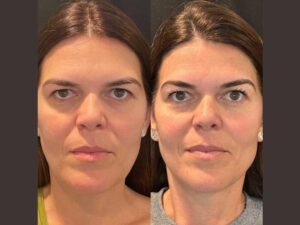
Good photography starts with good light. Even an excellent camera and lens can produce flat, harsh, or uneven images when the lighting is poorly controlled. That is why a Softbox Lighting Kit Photography setup is a popular choice for portrait photographers, product photographers, studios, schools, and content creators.
A softbox changes the way light reaches your subject by creating a larger, more controlled light source. The result is generally softer shadow transitions, smoother illumination, and more flattering portraits.
What Is a Softbox Lighting Kit?
A softbox lighting kit typically combines a light source with one or more softboxes, stands, and mounting or power accessories. Some complete kits are designed as two-light or three-light systems, making them useful for building a basic studio setup.
The softbox surrounds or modifies the light source and directs its output through a diffusion panel. This creates broader illumination than a bare light and helps reduce harsh shadows.
For photographers starting a studio, a complete kit can also simplify setup because compatible components are packaged together.
Why Use a Softbox for Photography?
The main advantage is control.
A bare light can create strong highlights and hard-edged shadows. A softbox increases the apparent size of the light source, producing a smoother transition between highlights and shadows. The closer and larger the light source is relative to the subject, the softer the resulting light generally becomes.
Softboxes are especially useful for:
- Portrait and headshot photography
- Senior and graduation portraits
- Product photography
- School photography
- Family and group portraits
- Fashion photography
- Studio content creation
- Interviews and video production
How Do You Choose the Right Softbox Size?
Softbox size should match both your subject and available studio space.
For headshots and close portraits, a smaller or medium softbox can provide controlled, flattering illumination. For full-body portraits or groups, a larger softbox provides broader coverage.
Shape matters too. Rectangular and square softboxes are versatile for portraits and products, while octagonal designs are popular for portraits because they can produce rounded catchlights. Strip softboxes are useful when you need narrower illumination, such as edge or rim lighting.
Remember that a larger softbox also requires adequate space, a suitable stand, and enough light output to illuminate it effectively.
How Far Should a Softbox Be From Your Subject?
Distance is one of the most overlooked parts of Softbox Lighting Kit Photography.
Instead of automatically placing the softbox several feet away, experiment with moving it closer to the subject. A large source positioned relatively close can create soft, wrapping illumination. Moving the source farther away generally makes the light harder relative to the subject.
Start with the softbox slightly to one side of the camera and above eye level. Take a test photograph, then adjust its height, angle, and distance until the shadows and highlights look natural.
One Light or Two-Light Softbox Setup?
A single softbox can work extremely well as a key light. You can use a reflector or nearby neutral surface to bounce some light back onto the shadow side.
A two-light kit provides more control. One light can act as the key light while the second works as fill, hair light, or background light. For more advanced studio photography, additional lights can create separation between the subject and backdrop.
What Should You Check Before Buying?
Before choosing a softbox lighting kit, look beyond the number of lights included. Check:
- Softbox dimensions and shape
- Light output and adjustability
- Continuous LED or flash/strobe operation
- Color consistency and accuracy
- Stand height and stability
- Mounting compatibility
- Included diffusion panels or grids
- Portability and storage
- Available replacement accessories
Compatibility is particularly important because softboxes can use different mounting systems, and some require an appropriate speed ring or adapter.
Final Thoughts
A good Softbox Lighting Kit Photography setup does more than brighten a scene. It gives photographers greater control over softness, direction, shadows, and subject separation. Start by matching the kit to your subject, studio space, and shooting style rather than simply choosing the largest or most powerful option.
For photographers looking to build a dependable studio setup, Pro Studio Supply can be a useful place to explore photography lighting and studio equipment suited to professional workflows.
Whether you are photographing portraits, products, school sessions, or creative projects, choosing the right softbox and learning how to position it can make a noticeable difference in the consistency and quality of your images. Visit Pro Studio Supply to explore equipment for building a more capable photography studio.