Principles of Air Heat Ventilation
Air heat Ventilation Units rely on the fundamental principles of airflow regulation and temperature balance. Fresh air is introduced into indoor spaces, while stale air is expelled, promoting a steady circulation that prevents stagnation. Heat transfer plays a key role, as these systems aim to redistribute warmth effectively, ensuring consistent temperatures throughout a home.
By managing airflow patterns, warm air from heating sources can be directed to cooler areas, maintaining a more comfortable environment. Proper ventilation also prevents the accumulation of excess moisture, which can compromise air quality and contribute to issues such as condensation. These systems are designed to operate efficiently, balancing the need for fresh air with energy conservation.
Through meticulous control of airflow and heat distribution, they create healthier and more sustainable living conditions while addressing thermal comfort requirements.
Components of a Ventilation Unit
A Ventilation Unit incorporates various components, each serving a specific function to maintain efficient airflow and temperature regulation. Intake vents are installed to allow fresh air to enter the system, while exhaust vents ensure the removal of stale air. Fans facilitate the movement of air through the system, aiding in consistent circulation.
Ductwork serves as the pathway for air distribution, directing it to different areas within the property. Filters play an essential role in trapping airborne particulates, improving indoor air quality. Heat exchangers enhance energy efficiency by transferring heat between incoming and outgoing air streams.
Additionally, dampers are sometimes included to regulate airflow within the ducts. Each component is designed to work cohesively, ensuring the system operates effectively to improve air quality, thermal comfort, and energy conservation in domestic settings.
Types of Air Heat Ventilation Units
Air Heat Ventilation Units for homes come in several types, each designed to cater to specific requirements. Natural Ventilation Units rely on architectural features such as windows, vents, and openings to enable air movement without mechanical assistance. Mechanical Ventilation Units use fans and ductwork to provide a controlled flow of air, making them particularly effective in environments with limited natural airflow. Heat recovery ventilation (HRV) systems work by transferring heat from outgoing air to incoming fresh air, enhancing energy efficiency.
Similarly, energy recovery ventilation (ERV) systems manage both temperature and humidity levels, making them well-suited for various climates. Hybrid systems combine natural and mechanical ventilation methods, offering flexibility in operation. Each type of system provides distinct benefits and is selected based on factors such as building design, environmental conditions, and specific indoor air quality goals.
Benefits of Air Heat Ventilation in Homes
Effective Air Heat Ventilation in homes significantly contributes to creating a comfortable and balanced indoor environment. By maintaining a continuous exchange of indoor and outdoor air, these systems help reduce the build-up of pollutants, such as dust, pet dander, and volatile organic compounds, which may impact air quality. Proper ventilation also aids in managing humidity levels, thereby preventing issues such as dampness and the potential for mould formation, which can compromise structural integrity.
Additionally, these systems help distribute heat evenly, minimising cold spots and promoting thermal comfort throughout the property. The removal of stale air further contributes to a fresher and healthier living space.
By addressing air quality and temperature control, Air Heat Ventilation Units enhance overall well-being and create an environment conducive to better living standards without compromising energy efficiency or sustainability.
Installation Considerations for Home Ventilation
When planning the installation of a home Ventilation Unit, it is important to evaluate various factors to ensure its efficiency and functionality. The layout and design of the property significantly influence the positioning of vents and ductwork, which should be strategically placed to optimise airflow. Local climate conditions also play a role in determining the system’s specifications, particularly in regions with extreme temperatures.
Compliance with building codes and ventilation standards is essential during the installation process. Engaging qualified professionals for the task can help ensure that all components, such as fans and ductwork, are properly installed and calibrated for optimal performance. Proper sealing of ducts and connections prevents air leakage, enhancing the system’s efficiency.
By addressing these considerations during installation, a Ventilation Unit can operate effectively, contributing to improved air quality and thermal comfort within the home.
Energy Efficiency in Air Ventilation Units
Enhancing energy efficiency in air ventilation units involves integrating advanced technologies and optimising operational practices. Incorporating variable-speed motors allows fans to adjust their speed according to ventilation requirements, thereby reducing energy consumption. Heat recovery mechanisms, such as heat exchangers, contribute by capturing thermal energy from outgoing air and transferring it to incoming air, minimising wastage.
Proper sealing and insulation of ductwork ensure that conditioned air is delivered without unnecessary losses. System zoning, where airflow is directed to specific areas based on usage, further optimises energy utilisation.
Automation technologies, including sensors and programmable controls, enable systems to operate only when needed, reducing unnecessary energy expenditure. Implementing these strategies ensures efficient operation while promoting sustainable energy practices.
Maintaining an Air Heat Ventilation Unit
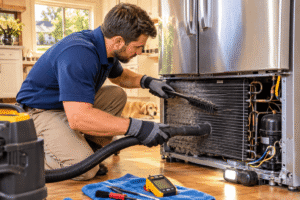
Ensuring the effective operation of an Air Heat Ventilation Unit requires periodic upkeep of its components. Filters should be replaced or cleaned routinely to maintain air quality and system efficiency. Ductwork inspections are necessary to identify and address blockages or leaks that could hinder airflow. Fans must be checked for proper functionality, as their performance directly impacts air circulation. Heat exchangers require regular cleaning to sustain optimal heat transfer.
Additionally, vents should be examined for obstructions that may impede the system’s operation. Listening for unusual noises or observing inconsistent air distribution can help identify potential faults early. Professional servicing at recommended intervals ensures that all elements function cohesively, prolonging the system’s lifespan and maintaining consistent performance standards.
Improving Air Ventilation System for Home Performance
Enhancing the performance of an air ventilation system for home involves the application of advanced technologies and the optimisation of system configurations. Zoning mechanisms can be implemented to direct airflow to areas where it is most needed, reducing unnecessary energy use. Upgrading ductwork to minimise resistance and improve airflow is another effective measure. The incorporation of energy-efficient components, such as low-energy fans, can further enhance performance.
Monitoring systems equipped with sensors provide valuable data on air quality and system efficiency, allowing for timely adjustments. Additionally, regular cleaning of ducts and vents ensures unobstructed airflow and prevents the build-up of contaminants. These measures collectively contribute to a more effective and reliable Ventilation Unit, ensuring consistent air quality and thermal comfort.
Health Impacts of Proper Ventilation
Maintaining proper ventilation within a home significantly contributes to the well-being of its occupants by promoting a healthier indoor environment. Ventilation Units assist in regulating humidity levels, which helps to reduce conditions that encourage the growth of mould and mildew, both of which can negatively affect respiratory health.
Effective airflow also aids in lowering concentrations of indoor air pollutants, such as volatile organic compounds and carbon dioxide, which are commonly linked to adverse health effects. The removal of allergens and particulates further reduces the likelihood of exacerbating conditions such as asthma or allergic reactions.
Additionally, consistent air exchange contributes to creating an overall fresher atmosphere, ensuring that individuals are less likely to experience discomfort caused by stale or contaminated air.
Common Misconceptions about Ventilation
There is a widespread assumption that Ventilation Units are unnecessary in older homes, often due to their perceived natural airflow. However, even older properties can benefit from controlled ventilation to manage indoor air quality and humidity. Another misconception is that Ventilation Units consume excessive energy, whereas modern designs incorporate energy-efficient features to minimise consumption. It is also mistakenly believed that Ventilation Units are solely for large properties, though they are equally effective in smaller homes.
Misunderstandings like these can lead to underestimating the value of proper ventilation, highlighting the importance of accurate information when considering home ventilation solutions.
Future Trends in Home Ventilation
Advancements in home Ventilation Units are increasingly focused on sustainability, energy efficiency, and integration with modern technologies. Smart systems capable of monitoring and adjusting airflow based on indoor air quality are gaining prominence, enabling optimised performance and energy conservation. The incorporation of eco-friendly materials and designs reflects a growing commitment to reducing environmental impact.
Innovations such as compact, modular systems are making installations more adaptable to diverse architectural layouts. As air quality awareness continues to expand, the development of advanced filtration technologies and renewable energy-powered systems is expected to shape future trends, aligning with global priorities for healthier and more sustainable living environments.
Conclusion
A ventilation system is fundamental to creating healthy, energy-efficient, and comfortable indoor environments across modern Australian properties. By continuously exchanging stale indoor air with fresh outdoor air, these systems effectively manage humidity levels, reduce harmful pollutants, and maintain consistent temperatures throughout every room. Incorporating advanced technologies like heat recovery exchangers and smart automation optimizes energy usage while lowering ongoing operational costs. Regular maintenance ensures long-term reliability and peak airflow performance across all seasons. Ultimately, investing in a properly designed ventilation setup enhances indoor air quality, protects structural integrity, and supports a sustainable lifestyle tailored to contemporary living standards.
FAQs
What is the main difference between HRV and ERV Ventilation Units?
Heat recovery ventilation (HRV) systems transfer thermal energy between incoming and outgoing air streams to regulate temperature. Energy recovery ventilation (ERV) systems transfer both heat and moisture, allowing better control over indoor humidity levels. Choosing between them depends on specific climate conditions and building insulation standards to ensure optimal indoor comfort.
How does proper Air Heat Ventilation improve overall indoor air quality?
Proper Air Heat Ventilation continually replaces stale indoor air with filtered outdoor air, preventing the accumulation of indoor pollutants like dust, volatile organic compounds, and pet dander. It also controls excess moisture to suppress mould growth, ensuring a cleaner and healthier breathing environment for occupants throughout the day.
Do modern ventilation system consumes a significant amount of electricity?
Modern ventilation system features highly energy-efficient components, including variable-speed motors and low-wattage fans designed to minimise power consumption. Systems equipped with heat exchangers capture outgoing thermal energy to precondition incoming air, drastically reducing overall heating and cooling demands and ensuring daily operational costs remain exceptionally low.
How often should home ventilation filters be cleaned or replaced?
Ventilation filters should generally be inspected every three to six months and cleaned or replaced according to the manufacturer’s guidelines. Properties located in areas with elevated dust or pollen levels may require more frequent filter maintenance to prevent restricted airflow and maintain optimal filtration efficiency.
Can a mechanical Ventilation Unit be installed in older properties?
Yes, mechanical Ventilation Units can be retrofitted into older properties to significantly improve air circulation, humidity control, and thermal balance. Expert installation ensures ductwork and vents are positioned strategically to enhance air quality without compromising existing architectural structures or creating unnecessary energy losses within the home.