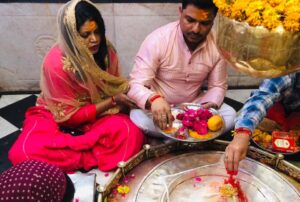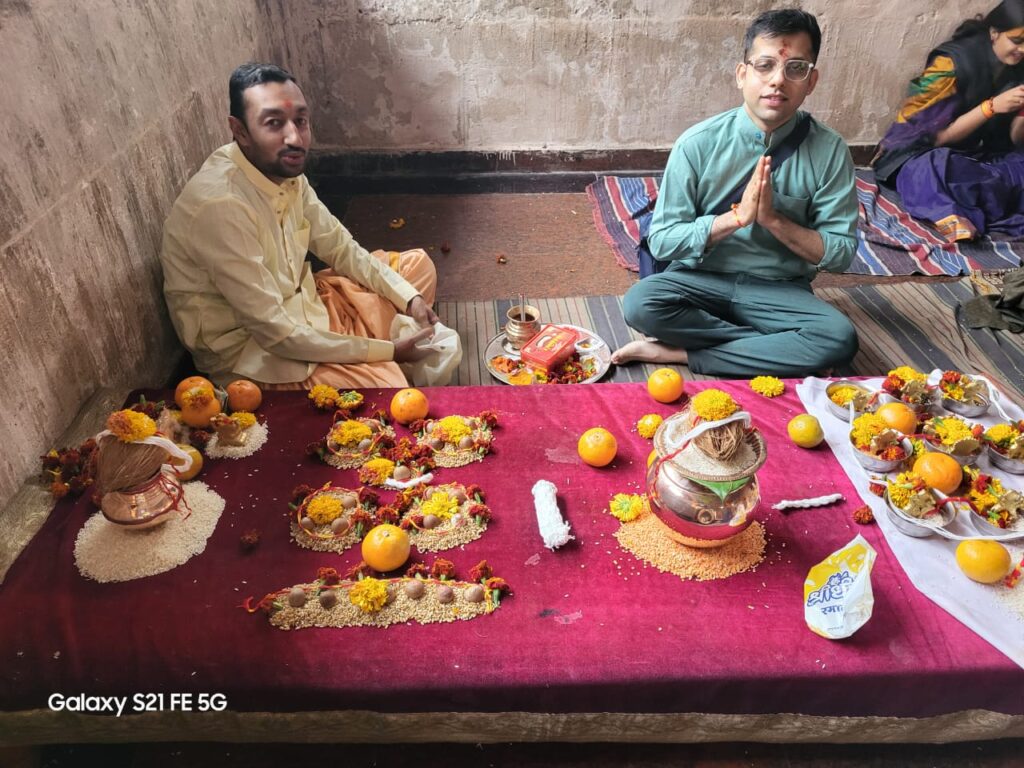
Maha Mrityunjaya Jaap in Ujjain is a powerful Vedic prayer performed to seek the blessings of Lord Shiva, promote spiritual strength, and create a positive atmosphere around life. Ujjain is one of the most sacred cities associated with Lord Mahakal and has a deep connection with Shaiva traditions. Many devotees visit Ujjain to perform sacred rituals and chanting with the guidance of experienced priests.
The Maha Mrityunjaya Mantra is traditionally associated with Lord Shiva and is widely recited during religious practices. Devotees believe that regular chanting and proper ritual performance can provide mental peace, spiritual support, and a sense of protection during challenging periods. Performing the jaap in a spiritually significant place like Ujjain can make the experience especially meaningful for devotees.
What Is Maha Mrityunjaya Jaap?
Maha Mrityunjaya Jaap is a traditional Vedic chanting practice dedicated to Lord Shiva. The mantra is also known as the Tryambakam Mantra and is found in the ancient Vedic tradition. It is recited with devotion and concentration while following appropriate rituals.
The jaap may be performed for different spiritual purposes, including seeking peace, removing negative thoughts, strengthening faith, and praying for the well-being of oneself and family members. The number of mantra repetitions can vary according to the purpose of the ritual and the guidance of the priest.
Why Perform Maha Mrityunjaya Jaap in Ujjain?
Ujjain holds an important position among the sacred pilgrimage destinations of India. The city is especially famous for Mahakaleshwar Jyotirlinga, one of the twelve Jyotirlingas dedicated to Lord Shiva. Because of its strong connection with Mahakal worship, devotees often choose Ujjain for Shiva-related puja, jaap, and other religious ceremonies.
Maha Mrityunjaya Jaap in Ujjain allows devotees to participate in a traditional spiritual practice in an environment connected with Lord Shiva. The peaceful surroundings, temple traditions, and sacred atmosphere can help devotees concentrate on prayer and meditation.
Benefits of Maha Mrityunjaya Jaap
Devotees perform Maha Mrityunjaya Jaap with several spiritual intentions. Some commonly associated benefits include:
- Seeking the blessings of Lord Shiva
- Supporting mental peace and emotional balance
- Developing spiritual confidence and devotion
- Creating a positive environment at home
- Praying for the health and well-being of family members
- Reducing fear and negative thoughts
- Strengthening concentration and inner discipline
- Seeking divine support during difficult phases of life
These benefits are part of religious and spiritual beliefs. The jaap should be approached as a devotional practice rather than as a guaranteed solution to medical, financial, or personal problems.
How Is Maha Mrityunjaya Jaap Performed?
The exact procedure may differ according to the tradition followed by the priest and the purpose of the ceremony. Generally, the ritual begins with purification and a sankalp, in which the devotee’s intention for the puja is stated.
Lord Shiva is then worshipped with traditional offerings. The Maha Mrityunjaya Mantra is recited repeatedly with proper pronunciation and concentration. Depending on the selected ritual, the jaap may involve a specific number of mantra repetitions.
Additional Shiva puja, abhishek, havan, or other Vedic rituals may also be included when appropriate. After completion, prayers are offered for peace, prosperity, health, and spiritual well-being.
Who Can Perform This Jaap?
Maha Mrityunjaya Jaap can be performed by individuals and families who wish to undertake a Shiva-centered devotional ritual. People may choose the jaap during personally difficult periods, before important occasions, or simply as part of their spiritual routine.
The appropriate number of repetitions and ritual method can be discussed with a knowledgeable priest. If the ceremony is being performed for a specific religious purpose, proper guidance can help ensure that the traditional procedure is followed correctly.
Best Time for Maha Mrityunjaya Jaap
Maha Mrityunjaya Jaap can be performed on different days depending on the devotee’s purpose and the priest’s guidance. Mondays are traditionally associated with Lord Shiva and are therefore considered significant for Shiva worship. Pradosh-related observances, Mahashivratri, and other auspicious occasions may also be selected for Shiva prayers.
The suitable date and timing can vary based on the type of ritual and personal requirements. Devotees planning a special ceremony in Ujjain can consult a priest before finalizing the schedule.
Book Maha Mrityunjaya Jaap in Ujjain
For devotees planning Maha Mrityunjaya Jaap in Ujjain, choosing an experienced priest can help make the ceremony organized and spiritually focused. Before booking, devotees can ask about the complete puja procedure, number of mantra repetitions, required samagri, duration, priest’s guidance, and any additional rituals included in the ceremony.
kaalsarpdoshpujaujjain.com provides information for devotees looking to arrange traditional puja and jaap services in Ujjain. Planning the ceremony in advance can make it easier to select a suitable date and understand the complete process.
Maha Mrityunjaya Jaap and Lord Mahakal
Ujjain is closely connected with Lord Mahakal, making it an important destination for devotees of Lord Shiva. A Shiva-focused spiritual practice in this sacred city can provide an opportunity for prayer, reflection, and devotion.
Whether you are visiting Ujjain for a religious journey or specifically planning a Maha Mrityunjaya Jaap, approaching the ritual with faith, discipline, and sincerity is important. The ceremony can become a meaningful part of your spiritual journey.
Frequently Asked Questions
What is Maha Mrityunjaya Jaap?
Maha Mrityunjaya Jaap is a traditional Vedic chanting practice dedicated to Lord Shiva and performed with repeated recitation of the Maha Mrityunjaya Mantra.
Why is Ujjain suitable for this jaap?
Ujjain has a strong connection with Lord Shiva and is home to the Mahakaleshwar Jyotirlinga, making it a significant destination for Shiva worship.
Can families perform Maha Mrityunjaya Jaap?
Yes. Individuals and families can participate in the ritual according to their devotional intentions and the guidance of the performing priest.
How many times is the mantra recited?
The number of repetitions depends on the type of jaap and the purpose of the ceremony. A priest can recommend the appropriate procedure.
Conclusion
Maha Mrityunjaya Jaap in Ujjain is a meaningful Shiva devotional practice for devotees seeking spiritual peace, positive energy, and divine blessings. With its strong association with Lord Mahakal, Ujjain provides a spiritually significant setting for performing this traditional jaap. By selecting a suitable date, understanding the ritual process, and following proper Vedic guidance, devotees can participate in the ceremony with devotion and sincerity.