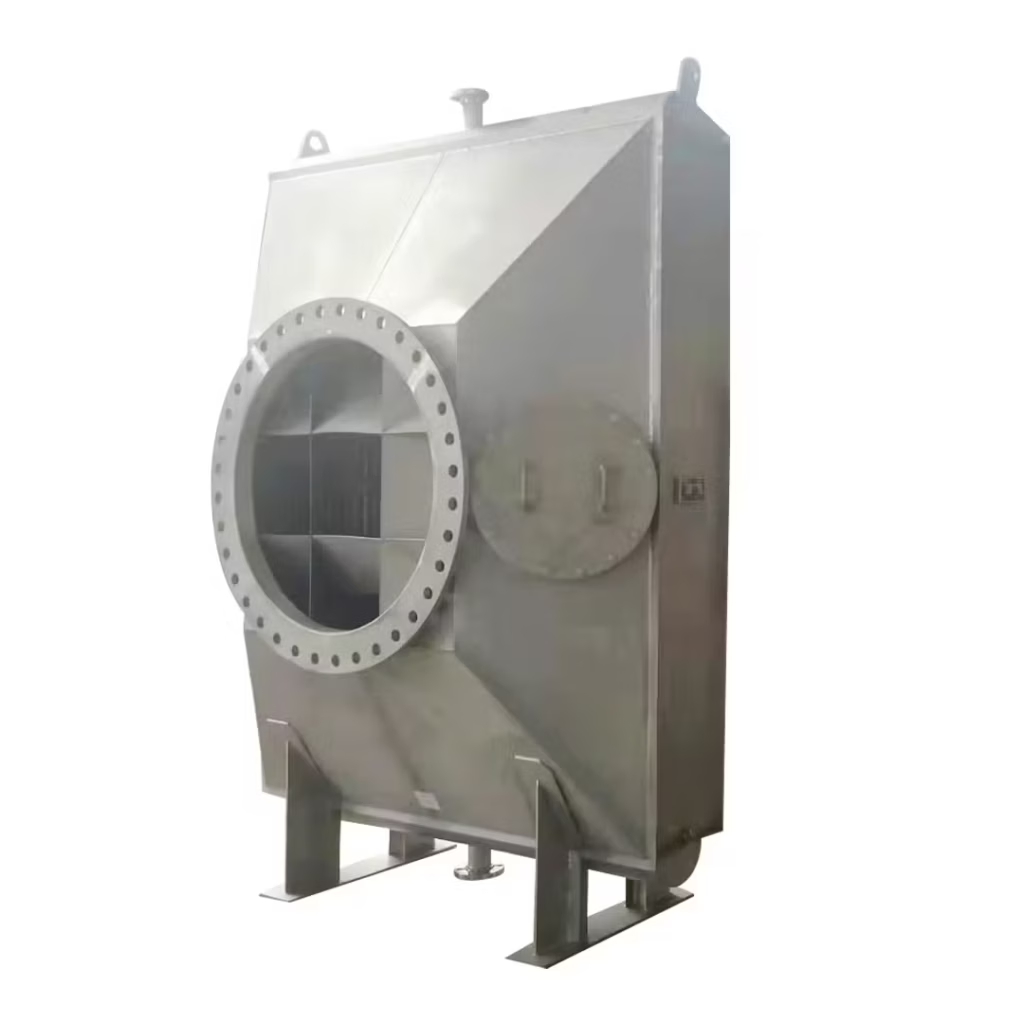
Bathrooms frequently develop high humidity levels because of showers, baths, and other everyday activities, making effective ventilation essential for maintaining comfortable indoor conditions. An HRV bathroom fan removes humid, stale air while transferring part of its heat to incoming fresh air before the extracted air leaves the property. This process encourages continuous air exchange while helping minimise avoidable heat loss. By reducing excess moisture and condensation, effective bathroom ventilation can also improve indoor air quality and help protect surrounding surfaces from moisture-related deterioration. Heat recovery ventilation combines moisture management with energy-conscious airflow for residential bathrooms.
Maintaining Comfortable Airflow
Heat energy recovery fans exchange stale indoor air for fresh outdoor air while preserving part of the thermal energy that might otherwise escape. As extracted air travels through a heat exchanger, some of its warmth transfers to the incoming air stream without allowing the two airflows to mix directly. This exchange helps regulate incoming air temperatures and can reduce the extra energy required to maintain comfortable indoor conditions.
Consistent ventilation can also benefit areas affected by excess moisture, lingering odours, or limited air circulation. By integrating fresh air supply with thermal energy transfer, these fans promote indoor comfort and better temperature regulation while helping minimise avoidable heat loss.
Preventing Bathroom Dampness
Everyday activities, including showering and bathing, introduce water vapour into bathroom air. Without sufficient ventilation, moisture can accumulate on ceilings, walls, mirrors, and fittings, potentially creating favourable conditions for mould and mildew. Continued dampness may also damage interior materials and cause discomfort for occupants sensitive to certain airborne allergens.
Insufficient air movement can allow unpleasant odours and other airborne pollutants to remain in the room. Effective ventilation extracts humid, stale air and supports its replacement with fresher outdoor air. Maintaining this exchange helps create a more comfortable bathroom atmosphere while reducing the effects of excessive moisture on nearby surfaces.
Refreshing Bathroom Air with Heat Recovery Ventilators
Bathroom heat recovery ventilators remove warm, moisture-filled air while supplying fresh outdoor air to the property. As both air streams travel through a heat exchanger, a portion of the thermal energy transfers from the outgoing flow to the incoming supply. This process helps regulate replacement air temperatures and can lower the energy needed to maintain comfortable indoor conditions.
Extracting humid air also helps control condensation and excessive moisture in bathrooms. Unlike conventional exhaust fans, which typically release conditioned air without recovering its heat, an HRV system can retain some thermal energy during the ventilation process. This combination encourages regular air exchange, fresher indoor conditions, and more energy-efficient moisture management.
Improving Bathroom Freshness through Regular Air Exchange
Effective airflow is essential in bathrooms, where bathing and showering can rapidly raise humidity levels. When damp air remains trapped, condensation can form on walls, ceilings, and fixtures, encouraging mould and mildew development. Prolonged moisture exposure may also deteriorate surface materials and create difficulties for occupants with particular sensitivities.
Poor circulation can cause unpleasant odours and airborne contaminants to build up within the space. An appropriate ventilation system removes humid, stale air while allowing fresh outdoor air to enter. Sustaining this exchange can enhance bathroom comfort and freshness while helping prevent excessive moisture from accumulating on interior surfaces.
Maintaining Heat Recovery Fan Performance with Regular Servicing
Scheduled maintenance helps a heat recovery fan maintain dependable operation and adequate airflow. Filters should be inspected and cleaned or replaced according to manufacturer recommendations to prevent dust and debris from obstructing ventilation. The heat exchanger should also be checked for accumulated contamination that might affect thermal transfer. Examining ducts for blockages, damage, or deterioration helps preserve consistent airflow throughout the system.
Motors, vents, and other accessible components should be inspected for wear or potential faults. Regular assessments and professional servicing can identify emerging problems before they substantially affect performance. Proper upkeep promotes reliable ventilation, effective heat recovery, and sustained functionality in bathroom settings.
The Operation of HRVs in Bathroom Ventilation
Bathroom heat recovery ventilators remove heated, humid air from the room while drawing fresh outdoor air into the ventilation system. A heat exchanger located inside the unit facilitates the transfer of thermal energy between outgoing and incoming air streams. As a result, fresh replacement air can enter at a more suitable temperature, helping maintain a balanced indoor environment while limiting the energy required for heating or cooling. This process supports continuous air circulation without unnecessarily wasting the heat already generated within the home.
These ventilation systems are suited to bathroom conditions because they address both air quality and moisture management. By extracting humid air produced during showers, bathing, and everyday washing, they can help reduce condensation on mirrors, windows, ceilings, and walls. Unlike standard exhaust fans that expel indoor air without recovering its heat, HRVs retain useful thermal energy during air exchange. This approach supports efficient moisture control while contributing to improved indoor air quality and a more comfortable bathroom environment.
Proper installation and appropriate ventilation capacity are important for achieving effective performance. The system must accommodate the bathroom’s dimensions, moisture production, and airflow requirements to maintain suitable ventilation. Regular filter cleaning and routine maintenance also help preserve airflow and heat exchange efficiency. When integrated into a broader household ventilation strategy, bathroom HRVs can support healthier indoor conditions while reducing unnecessary heat loss during colder weather.
Enhancing Energy Efficiency with Heat Energy Recovery Fans
Heat Energy Recovery Fans are designed to improve energy efficiency by transferring heat from extracted indoor air to incoming fresh air, helping reduce the need for additional heating. This process enables households to maintain more stable indoor temperatures while using less energy, making the system a practical option for energy-conscious properties. By recovering thermal energy that might otherwise escape outdoors, these systems encourage more efficient heating practices without eliminating the need for regular fresh air circulation.
Their capacity to reduce energy wastage can contribute to lower utility costs while supporting efforts to decrease household carbon emissions. Heat recovery technology provides effective temperature management without unnecessarily compromising ventilation performance, making it suitable for homes seeking a balance between energy efficiency and indoor air quality. Performance depends on factors such as insulation, climate, system design, and operating conditions.
For the best results, heat recovery fans should be selected according to the building’s ventilation requirements and maintained regularly. Clean filters, unobstructed air passages, and correctly balanced airflow help preserve system efficiency. When incorporated into an appropriate ventilation plan, these fans can reduce avoidable heat loss, improve indoor comfort, and support more responsible household energy consumption throughout the year.
Lowering Energy Use through Heat Recovery Ventilation
Heat recovery ventilation improves indoor temperature management by reclaiming warmth from air before it is released outside. This recovered thermal energy helps preheat incoming fresh air, reducing the energy required to maintain comfortable indoor conditions and potentially lowering heating costs and associated emissions. In properties that depend on non-renewable sources for heating, improved energy performance may also lessen reliance on these resources.
Regulated air circulation can help control humidity and maintain indoor air quality, potentially limiting the need for separate moisture-control measures. By pairing fresh air exchange with heat retention, these systems encourage responsible energy use, lower overall consumption, and a more sustainable method of managing indoor temperatures.
Smart Home Features in Contemporary Heat Recovery Ventilators
Integrating heat recovery ventilators with smart home technology can simplify system operation and monitoring. Compatible units may connect to home automation networks, enabling ventilation settings to be changed remotely through supported devices. Certain systems also incorporate humidity and air-quality sensors that adjust airflow in response to changing indoor conditions, helping provide appropriate ventilation with less manual input.
Smart controls may display operating schedules and energy-use information, helping households understand how the system performs. Automatic settings can adapt to varying ventilation demands while maintaining regular air circulation. When linked with other compatible home devices, heat recovery ventilators can form part of a connected approach to indoor comfort, airflow management, and efficient energy use.
Key Differences between Heat Recovery Ventilators and Exhaust Fans
Conventional exhaust fans remove stale indoor air by sending it outdoors, allowing some of the heat contained in that air to escape. Heat recovery ventilators use a heat exchanger to transfer thermal energy from outgoing air to incoming fresh air. This process helps reduce temperature differences between replacement air and the indoor environment, potentially lowering the heating required to maintain comfortable conditions.
HRVs also provide ongoing air exchange and can assist with controlling indoor humidity. Depending on the unit’s design, filtration components may capture certain airborne particles, offering benefits beyond basic air extraction. By combining fresh air supply, heat transfer, and, where available, filtration, these systems can address several ventilation requirements in spaces affected by moisture and stagnant air.
Evaluating Bathroom HRV Costs and Long-Term Benefits
Installing a bathroom HRV requires an initial investment in equipment and labour, alongside ongoing operating expenses. While the upfront cost may be higher than installing a conventional exhaust fan, recovering warmth from extracted air can reduce the energy required to heat incoming fresh air. This process helps minimise thermal losses during ventilation while contributing to more stable indoor temperatures.
Lower heating requirements may gradually balance part of the installation cost, although the overall return depends on household habits, local energy rates, building layout, and unit efficiency. Choosing a suitable system and arranging professional installation can help match ventilation performance to the bathroom’s needs. Reviewing both initial expenditure and continuing costs helps establish a more realistic picture of the system’s long-term value.
Conclusion
HRV bathroom fans provide a way to control bathroom moisture while introducing fresh air and retaining some indoor heat. Their heat-exchange process transfers energy from outgoing air to incoming air, helping manage condensation without losing as much warmth during ventilation. Filtration and automated settings can make daily operation more convenient. Suitable installation and routine maintenance are important for preserving airflow and heat recovery. In Australian homes, an HRV bathroom fan can support effective humidity control, continuous air exchange, and improved ventilation efficiency.
FAQs
How can heat recovery bathroom fans help lower heating requirements?
Heat recovery bathroom fans transfer part of the heat from extracted air to incoming outdoor air before it enters the property. This reduces the temperature difference that heating equipment must overcome. While these systems may cost more to install than basic exhaust fans, their heat recovery function can improve overall ventilation efficiency.
What maintenance does an HRV for Bathroom need?
An HRV for Bathroom needs regular filter inspections and cleaning or replacement according to the manufacturer’s guidance. Indoor grilles and external air outlets should also be kept clear of accumulated dust and debris. Periodic professional checks of the heat exchanger, ducts, and fan motor can help maintain suitable airflow and reliable performance.
What distinguishes an HRV bathroom fan from a standard exhaust fan?
An HRV bathroom fan removes humid indoor air while recovering some of its heat for transfer to incoming fresh air. A standard exhaust fan generally expels warm, moisture-filled air directly outside without retaining its thermal energy. This makes HRV technology useful for combining moisture control with reduced ventilation-related heat loss.
Can bathroom HRV systems operate through smart home controls?
Selected bathroom HRV systems support compatible smart controls that regulate ventilation using humidity levels, air quality information, or scheduled settings. Depending on the equipment, remote access and mobile applications may allow users to monitor or adjust operation. Some models also provide maintenance notifications for filter replacement and routine servicing.
| Related Business Listings |
| Contact Directory |
| Local Business Profiles |