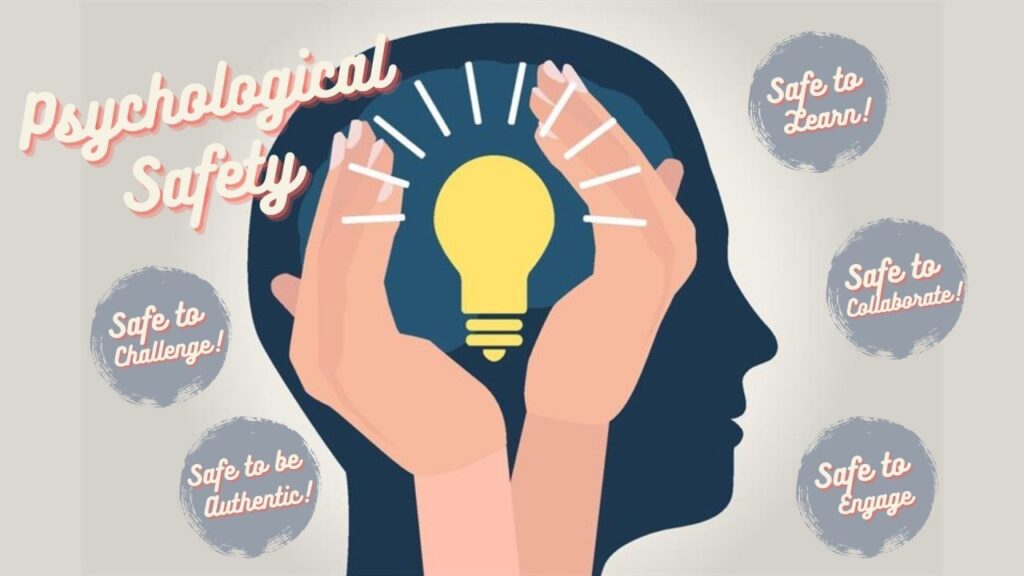
Workplace well-being is closely linked to how organisations identify and manage conditions that may affect employees’ psychological health. Excessive workloads, unresolved conflict, poor communication, unreasonable expectations, and limited assistance can contribute to psychological harm when concerns remain unaddressed. Recognising these risks before they escalate helps employers take practical steps to improve working conditions. Effective prevention of psychological injury at work involves identifying potential hazards, maintaining open communication, providing appropriate support, and establishing clear procedures for responding to workplace concerns. Integrating psychological safety into organisational policies and everyday management can strengthen professional relationships, support employee well-being, and reduce the likelihood of preventable harm.
Building Employee Understanding of Mental Health and Support Options
Mental health awareness can contribute to workplaces where employees know how to find assistance and feel more confident discussing concerns. Educational resources can help staff identify possible signs of stress, anxiety, emotional exhaustion, and other psychological challenges. Workplace workshops, information sessions, and accessible guidance can explain available support options and encourage appropriate responses when difficulties arise.
Open and considerate conversations about mental well-being may help challenge stigma and encourage employees to seek assistance sooner. Managers and team leaders can also play a role by noticing changes in behaviour and responding sensitively. Making mental health education part of workplace practices demonstrates an ongoing commitment to employee welfare while supporting stronger communication, healthier working relationships, and organisational stability.
Identifying Occupational Conditions That May Affect Mental Well-Being
Recognising workplace hazards early gives organisations an opportunity to address circumstances that may place employees’ psychological health at risk. Excessive demands, unclear responsibilities, insufficient resources, limited decision-making authority, and unrealistic timeframes can contribute to ongoing pressure. Workplace conflict, harassment, bullying, ineffective communication, and inadequate supervision may further affect employees when these problems are not resolved.
Workplace risk reviews can examine job requirements, management practices, team relationships, and physical working conditions to identify potential concerns. Speaking with employees regularly may also bring hidden issues to light. Adjusting workloads, defining responsibilities, improving communication, and providing appropriate assistance can help create more manageable conditions and reduce exposure to preventable workplace stressors.
Promoting Respectful Relationships and Supportive Workplace Practices
A positive workplace culture can help limit psychological strain by encouraging respectful behaviour, equitable treatment, inclusion, and honest communication. Collaborative working practices can strengthen connections among colleagues and reduce feelings of isolation during challenging situations. Accessible complaint procedures also give employees a clear way to report concerns and seek assistance when difficulties arise.
Supervisors and managers can support these values by considering employee feedback, setting realistic expectations, and addressing problems consistently. Recognising contributions and explaining responsibilities clearly can also encourage engagement and improve morale. When fair leadership is combined with practical workplace procedures, organisations are better positioned to address psychological risks and maintain a professional environment where employees can work effectively.
Developing Workplace Procedures to Protect Psychological Well-Being
Well-defined workplace policies provide a consistent framework for responding to situations that may contribute to psychological injury. They can establish processes for identifying risks, handling complaints, and arranging suitable support while helping different teams follow clear expectations. Relevant professional guidance can also assist organisations in developing procedures appropriate to their workplace circumstances.
Training managers and supervisors in these procedures can help them respond more effectively when psychological health concerns emerge. Confidential reporting pathways may allow employees to raise sensitive matters while ensuring information is handled appropriately.
Regular reviews help keep workplace policies relevant as organisational needs, working arrangements, and psychological safety considerations change. Communicating procedures clearly also helps staff understand their responsibilities and recognise the options available when concerns affect workplace well-being.
Addressing Workplace Bullying through the Prevention of Psychological Injury at Work
Bullying and harassment can seriously affect employees’ emotional well-being and create an atmosphere where people feel unsafe or undervalued. Repeated humiliation, threatening conduct, deliberate exclusion, hostile remarks, and inappropriate treatment may undermine confidence and contribute to psychological distress. Clear behavioural standards can explain which actions are unacceptable and establish consistent pathways for reporting and addressing incidents.
Workplace training and awareness initiatives can strengthen the prevention of psychological injury at work by helping staff and managers recognise conduct that may cause harm. Confidential reporting channels can provide a structured way to raise concerns, while prompt and impartial investigations can help prevent unresolved issues from continuing. Consistent procedures, fair treatment, and suitable support can contribute to a workplace culture that values employee dignity, psychological safety, and respectful professional relationships.
Encouraging a Healthier Work-Life Balance
Maintaining an appropriate balance between professional duties and personal life can support psychological well-being. Long working hours, unrealistic deadlines, and expectations of constant availability may increase workplace stress when employees have insufficient opportunities for rest and recovery. Organisations can help manage these pressures by supporting reasonable workloads, allowing suitable breaks, and establishing clear expectations regarding working hours and communication outside normal schedules.
Flexible working arrangements can also assist employees in managing workplace duties alongside personal commitments. Managers can help by reviewing workloads and avoiding practices that encourage unnecessary overtime. Adequate rest, physical activity, social interaction, and personal interests may further contribute to overall well-being. Incorporating work-life balance into workplace practices can help reduce excessive pressure while supporting employee satisfaction and sustainable professional performance.
Maintaining Awareness of Workplace Mental Well-Being
Continued attention to employee mental well-being can help organisations recognise potential concerns before they develop into more significant workplace issues. Regular employee surveys, confidential feedback systems, and individual discussions can provide useful information about workload pressures, workplace relationships, and general engagement. These approaches may identify recurring concerns requiring adjustments to workplace practices or organisational processes.
Managers can also receive appropriate training to recognise potential changes in employee behaviour, including increased withdrawal, irritability, reduced participation, or noticeable performance changes. Early communication can create opportunities for concerns to be discussed and addressed appropriately. Reviewing workplace well-being indicators regularly allows organisations to develop preventative measures that support a healthier, responsive, and psychologically safer working environment.
Establishing Effective Channels for Employee Feedback
Employee input can provide valuable insight into workplace conditions that may affect psychological well-being. Anonymous surveys, staff meetings, digital suggestion tools, and facilitated discussions allow employees to share concerns about workload demands, management practices, professional relationships, and organisational processes. Providing multiple ways to contribute can encourage participation while accommodating different preferences and circumstances.
Feedback systems are most useful when employees know their views will be considered seriously. Managers can strengthen trust by reviewing submissions objectively and implementing appropriate improvements where necessary. Recurring concerns may highlight underlying workplace problems and guide the development of preventive strategies. Listening to employees and responding constructively can strengthen confidence in leadership, encourage open communication, and foster a more respectful working environment.
Expanding Psychological Support through Digital Workplace Resources
Digital tools provide additional opportunities for workplaces to improve access to psychological well-being information and assistance. Mental health applications, online resource libraries, and virtual information services can offer educational content, self-guided resources, and details about available support. These options allow employees to access relevant information at times that suit their circumstances, including outside standard working hours.
Online training covering resilience, stress reduction, and coping techniques can help staff develop useful skills without disrupting existing commitments. Digital well-being platforms may also help organisations identify recurring concerns and areas where further assistance could be beneficial. Virtual counselling and text-based support provide additional ways to seek guidance. Including appropriate digital resources in workplace initiatives can broaden access to assistance and improve awareness of available support options.
Strengthening Mental Health Knowledge through Workplace Training
Relevant education and accessible support services can help employees respond more effectively to professional pressures. Training in recognising stress, developing emotional resilience, communicating constructively, and applying practical coping techniques can improve awareness of potential difficulties. Such initiatives can also help staff understand how workplace conditions may contribute to psychological strain.
Confidential counselling, employee assistance programmes, educational resources, and other suitable services can offer further guidance when problems arise. Sessions covering early indicators of prolonged stress and burnout may encourage employees to seek help before concerns become more difficult to manage. Peer support activities can also promote stronger workplace connections and reduce social isolation.
Regularly assessing training materials and updating available resources can help organisations respond to changing workforce needs. Combining practical education with accessible assistance supports a workplace culture that values mental health awareness, effective coping strategies, and employee resilience.
Clarifying Employer Responsibilities for Psychological Risk Management
Employers have an important responsibility to provide a reasonably safe working environment and address conditions that could affect employees’ psychological health. This includes identifying potential hazards associated with excessive workloads, workplace relationships, management practices, and organisational arrangements. Appropriate controls should then be implemented to eliminate risks where reasonably practicable or minimise their impact when elimination is not possible.
Consistent policies, structured risk assessments, employee consultation, and clear reporting procedures can help organisations manage psychological hazards effectively. Adjustments to work arrangements or duties may also be considered when individual circumstances require attention. Meeting applicable legal requirements supports accountable workplace management and helps clarify organisational responsibilities for employee health, safety, and psychological well-being.
Conclusion
Reducing psychological injury in the workplace requires identifying potential hazards and establishing practices that safeguard staff welfare. Fair workloads, constructive communication, appropriate training, respectful conduct, and suitable support services can help minimise workplace pressures. Routine assessments and confidential feedback channels can reveal emerging concerns and allow timely intervention. Embedding mental health considerations into organisational policies and daily management practices can foster healthier working relationships, improve employee well-being, and support consistent performance across Australian workplaces.
FAQs
What does psychological injury mean in an occupational setting?
Psychological injury describes mental health difficulties that may develop in response to workplace factors, including persistent stress, bullying, excessive demands, or insufficient support. If these circumstances continue without appropriate intervention, they can affect employees’ emotional well-being, work capacity, and ability to function comfortably in their roles.
How does mental health awareness benefit employees and employers?
Greater mental health awareness enables employees and managers to identify potential signs of distress, anxiety, or exhaustion and understand where assistance is available. Encouraging respectful discussions can reduce stigma, make concerns easier to communicate, and help workers access appropriate support before difficulties become more serious.
What measures support the prevention of psychological injury at work?
Prevention of psychological injury at work includes assessing psychosocial hazards, educating staff about mental health, establishing respectful workplace standards, and maintaining clear procedures for addressing concerns. Regular communication, relevant training, and accessible assistance can help organisations respond to emerging risks and create more supportive working conditions.
In what ways can work-life balance protect employee well-being?
Maintaining reasonable boundaries between employment and personal life allows employees time to rest, recover, and manage responsibilities outside work. Workloads that reflect available capacity, flexible scheduling where practical, and respect for personal time can help limit sustained stress and reduce the likelihood of burnout.
Why should organisations provide opportunities for employee feedback?
Employee feedback helps management understand concerns involving workloads, workplace relationships, communication, and daily procedures. Consistent opportunities to raise issues can improve transparency, build trust, and reveal areas requiring attention. Using this information to make practical adjustments can contribute to a more positive and effective workplace.
| Related Business Listings |
| Contact Directory |
| Local Business Profiles |