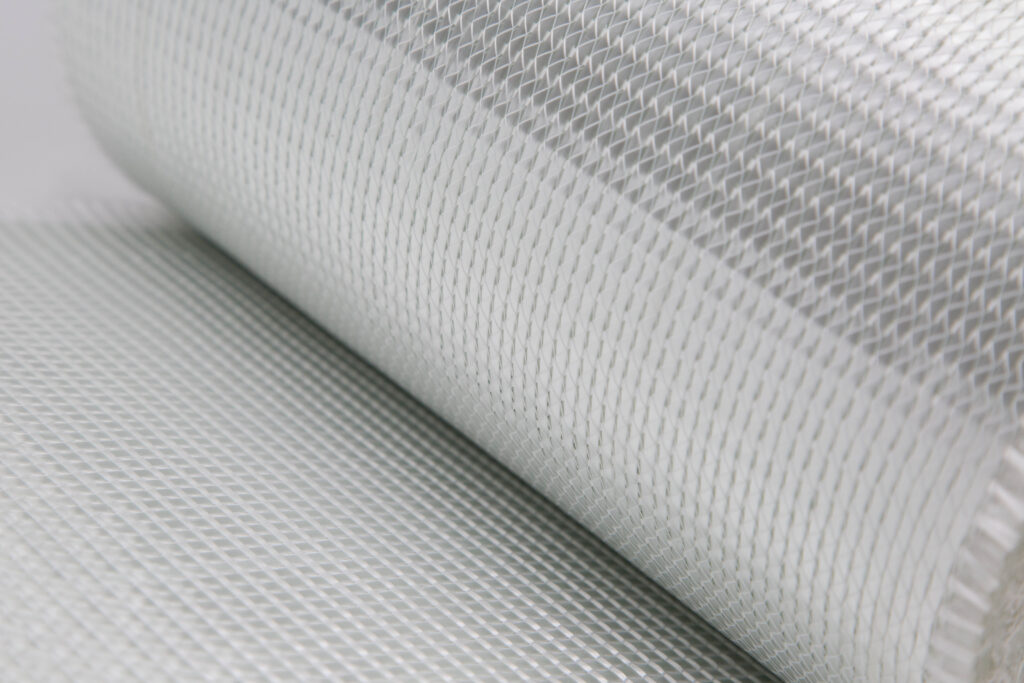
The production process of high-tensile-strength glass fibers reveals the reasons behind their popularity. Their impressive mechanical properties, including extreme strength, low weight, longevity, and non-corrosive nature, have made them indispensable for today’s manufacturing industry. Applications include automotive engineering, aerospace technology, building construction, maritime purposes, and even renewable energy systems. Glass fibers undergo a highly sophisticated manufacturing process, during which specific raw materials are transformed into very thin glass threads. Each phase of this process, starting from selecting the proper raw materials to treating the fibers themselves, has an impact on the finished product’s mechanical properties and dependability.
Selecting and Preparing Raw Materials
Raw materials of high quality are chosen so that the correct composition can be achieved within the glass fibres. Common raw materials include silica sand, aluminium oxide, calcium carbonate and other mineral substances. Other substances may be added to improve the properties of the fibre, including strength, chemical resistance and resistance to heat. The amount of each substance to add is determined by the desired composition of the glass. Raw materials are then checked, cleaned, and mixed before being melted to remove any undesirable impurities. Accurate preparation of the raw materials is very important, as even small differences in the quality of the materials can cause differences in the fibres produced.
Melting the Glass Mixture
The prepared raw materials are added to industrial furnaces to melt. The temperature in industrial furnaces is between 1400 and 1600 Celsius; however, the exact temperature depends on the type of glass. The chemical reactions mean that a homogeneous liquid is produced. It is crucial that the temperature is tightly controlled so that bubbles, un-melted particles, and inconsistencies in viscosity do not occur. Throughout the process, the temperature of the furnace is carefully monitored by the manufacturer, so that the correct chemical and physical properties are in place. If the liquid has been melted correctly, it will have a good flow. If the composition of the melted glass is uniform, uniform fibres will be produced. Uniform fibres will have good tensile strength and structural properties.
Refining and Conditioning the Molten Glass
Once the glass melts, it goes through processes known as refining and conditioning to eliminate undesirable gas bubbles and promote uniformity. Gas bubbles inside the molten glass will create flaws, weakening filaments or compromising the final fiber product. Refining involves controlling temperatures to let the gases vent without introducing any solids. Conditioning the glass ensures that the viscosity level reaches a desirable point before proceeding further. Temperature control is essential during this phase since the subsequent step involves passing the glass through tiny holes. Proper refining and conditioning assist manufacturers in reducing flaws, enhancing production efficiencies, and producing fibers with uniform diameters and properties.
Forming Continuous Glass Filaments
Molten glass is fed into a device called a bushing, which contains many small holes. The conditioned molten glass is directed through a specialized component called a bushing, which contains numerous tiny openings. Within the device, the filaments are quickly stretched to produce filaments of the correct diameter. Controlling the speed at which they are stretched, the temperature of the glass, and the shape of the bushing ensures uniform diameters. The diameters of the glass fibers will be very small (microns). Uniform filaments improve resistance, flexibility, and therefore performance of the glass fibres in demanding applications.
Applying Protective Sizing and Surface Treatment
The newly formed glass fibers can be fragile. They can be damaged by rubbing, handling, and contact with other fibers. Therefore, to reduce this damage, the fibers can be treated with a special chemical. This reduces wear, improves handling, and makes the fibers compatible with resins used during composite manufacturing. Depending on what application the fibers are going to be put to, the composition of the sizing can differ. It may consist of film-forming agents, lubricants, and coupling agents to allow for better adhesion between the glass fiber and surrounding materials. In applications where the glass fibers are reinforcing plastics, concrete, or composites, it is important to surface treat. Appropriate sizing will improve the processability of the fiber and allow good transfer of forces.
The Closing Thoughts
High tensile strength glass fibers can be manufactured by a variety of methods. Quality control is essential for ensuring that manufactured glass fibers meet the required performance specifications. First, high-quality raw materials are chosen and melted into glass. The molten glass is then extruded into glass fibers. Protective coatings can then be added to protect the fibers. Finally, the fibers undergo quality control. Developments within manufacturing techniques have improved the uniformity of the fibers and therefore overall efficiency and performance. With an increasing need for lightweight but strong reinforcement materials, high tensile strength glass fibers are an important consideration. It is clear that a large amount of skill and quality control is needed in order to produce these useful materials.