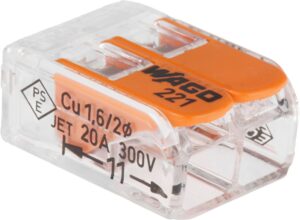
Reliable electrical connections are fundamental to the performance of modern machinery, building installations, and industrial automation systems. Poorly secured conductors can cause intermittent faults, overheating, and unnecessary maintenance expenses. A Wago Terminal Block Connector addresses these challenges through innovative spring-pressure technology, practical construction, and efficient conductor termination. By simplifying electrical connections without compromising application-specific requirements, these connectors help professionals create organised, dependable, and serviceable wiring systems.
What Is a Wago Terminal Block Connector and How Does It Work?
A Wago Terminal Block Connector is an electrical connection component designed to establish secure conductive pathways between wires. Many WAGO terminal blocks incorporate spring-pressure technology instead of conventional screw-based fastening mechanisms.
An engineered spring presses the inserted conductor against a conductive contact surface, maintaining electrical continuity within the specified operating conditions. This connection method eliminates the need for screw tightening in compatible screwless designs.
How Does Spring-Pressure Technology Improve Connection Reliability?
Spring-pressure mechanisms maintain contact force against properly inserted conductors. This helps accommodate mechanical and thermal changes during equipment operation. The technology is particularly valuable in suitable industrial environments where vibration and repeated temperature fluctuations may affect electrical connections.
Which Types of Wago Terminal Block Connectors Are Available?
WAGO manufactures various connector designs to accommodate different conductor sizes, installation methods, and electrical applications. Each configuration serves specific wiring requirements.
Popular connection solutions include:
- Lever-operated connectors for convenient conductor insertion and removal.
- Push-in terminal blocks for straightforward installation of compatible conductors.
- Rail-mounted terminals for structured industrial panel wiring.
- Multi-level terminal blocks for space-efficient circuit arrangements.
- Fuse terminal blocks for designated circuit protection applications.
- Sensor and actuator terminals for organised automation wiring.
What Makes the WAGO TOPJOB S Series Different?
The TOPJOB S range incorporates Push-in CAGE CLAMP technology and offers different operating mechanisms, including levers, push-buttons, and operating slots. These options let installers choose termination methods based on conductor preparation, accessibility, and equipment requirements.
How Can Wago Terminal Block Connectors Improve Installation Efficiency?
Traditional wiring methods may involve considerable preparation, repeated screw tightening, and additional inspection. Screwless connection technology can simplify these activities by reducing the number of mechanical fastening steps.
For large electrical assemblies containing numerous connections, this can translate into valuable time savings. Clearly identified terminals also help technicians follow wiring diagrams and locate individual circuits more efficiently.
Engineers comparing DIN Rail Terminal Blocks can evaluate mounting arrangements, conductor capacities, and connection technologies to identify suitable solutions for structured electrical installations.
Where Are Wago Terminal Block Connectors Most Effective?
WAGO connection technology supports many applications that require organised wiring and dependable electrical continuity. Its versatility makes it suitable for both industrial equipment and well-designed building installations.
Which Industries Benefit From These Electrical Connectors?
Common application areas include:
- Industrial automation involving sensors, controllers, and actuators.
- Electrical distribution panels requiring structured conductor termination.
- Commercial lighting and building management installations.
- HVAC equipment and associated control circuits.
- Manufacturing machinery requiring accessible wiring connections.
- Renewable energy installations using appropriately rated components.
Each connector’s suitability depends on its electrical specifications, environmental characteristics, and applicable installation requirements.
How Should You Choose the Right Wago Terminal Block Connector?
Start by understanding the electrical circuit and its operating environment. Choosing a connector based solely on its physical appearance or a convenient termination mechanism can lead to compatibility problems.
Which Technical Specifications Should Buyers Evaluate?
Essential considerations include:
- Rated current and voltage for the intended circuit.
- Supported conductor cross-sectional area.
- Compatibility with solid, stranded, or fine-stranded wires.
- Manufacturer-specified conductor stripping length.
- Operating temperature and mounting requirements.
- Applicable certifications and electrical approvals.
Compatible Terminal Block Accessories can further improve installation organisation through appropriate identification markers, end plates, jumpers, and mounting components.
How Can Proper Installation Prevent Electrical Connection Problems?
Even advanced connection technology requires correct conductor preparation. Incorrect stripping lengths, damaged wire strands, or incomplete insertion can compromise electrical contact.
Qualified installers should safely isolate the electrical supply before beginning work and verify that the selected connector matches the circuit requirements. Prepare and insert conductors according to the manufacturer’s instructions.
What Maintenance Practices Support Long-Term Reliability?
Periodic inspections should identify damaged housings, unusual discolouration, contamination, and signs of excessive heating. Technicians should also investigate recurring electrical faults rather than assuming the connector itself is responsible.
Although many spring-pressure terminals are designed to operate without routine retightening, the surrounding electrical installation still requires appropriate inspection and maintenance.
How Does Wago Connection Technology Support Modern Electrical Engineering?
Modern electrical installations increasingly require compact designs, efficient assembly processes, and straightforward maintenance. Spring-pressure connection technology addresses these priorities by offering alternative termination methods that reduce reliance on conventional screw fastening.
Modular terminal arrangements also support future equipment modifications, allowing engineers to develop electrical systems that remain accessible and easier to manage throughout their operating life.
Why Is a Wago Terminal Block Connector a Smart Investment for Electrical Professionals?
A Wago Terminal Block Connector combines innovative connection technology, practical installation features, and versatile wiring possibilities to support dependable electrical performance. By selecting suitable products from the wider range of Terminal Blocks, electrical professionals can create well-organised wiring systems that simplify maintenance, improve installation efficiency, and support long-term operational reliability across modern industrial and commercial environments.