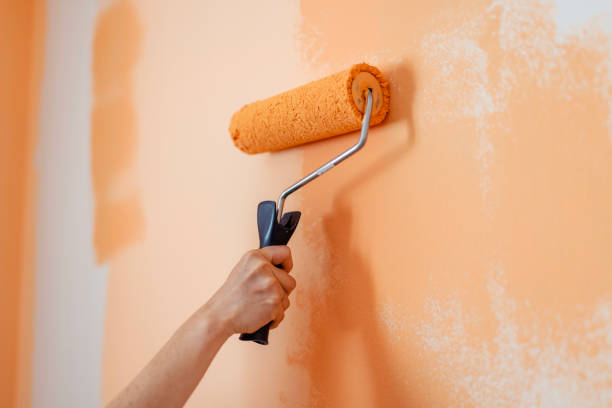
Most people think wall texture comes down to paint quality and maybe the guy holding the roller. Fair, but not the full story. The tool itself—specifically the paint roller refill 9 inch you snap onto that frame—quietly does a lot of the heavy lifting. Or damage, depending on what you pick. I’ve seen smooth walls turn patchy, and rough finishes look oddly flat, all because someone grabbed the wrong refill and didn’t think twice. It’s one of those small choices that doesn’t feel important… until you step back and stare at the wall later and something just feels off.
Why Nap Thickness Isn’t Just a Detail
Nap thickness gets tossed around like a spec on a label, but it actually decides how your wall ends up looking. Short nap rollers lay paint down thinner and tighter. Good for smooth walls, drywall that’s been finished well, that sort of thing. But take that same roller to a slightly uneven surface and you’ll miss spots. Then you go back over it, press harder, now you’ve got streaks. On the flip side, a thicker nap loads more paint and pushes it into little dips and pores. Great for rougher surfaces, but on a smooth wall it can leave that subtle orange-peel look. Not terrible, just… not what you planned. So yeah, nap thickness matters more than people admit.
Material of the Roller Cover Changes Everything
Not all roller covers are built the same. You’ve got synthetic blends, lambswool, microfiber, cheap foam ones too. Each behaves differently once it’s soaked with paint. Some hold a lot, release slowly, nice and even. Others dump paint too fast, leaving heavy patches and light spots right next to each other. That uneven release is where texture starts to go sideways. It’s not always visible right away either. Sometimes it shows up after drying, when the sheen catches light at an angle. That’s when you notice it. Annoying, honestly.
How Pressure and Refill Quality Work Together
Here’s something people don’t talk about much. Even if you know how to roll paint properly, the quality of your refill can fight you. Cheap ones flatten out quickly. The fibers bend, clump together, stop distributing paint evenly. So what do you do? You press harder. Natural reaction. But that pressure creates uneven texture—heavier lines, roller marks, sometimes even slight ridges. A decent refill holds its shape longer, keeps things consistent. Makes your job easier without you realizing it. That’s kind of the point.
The Subtle Problem of Shedding Fibers
This one’s frustrating. You roll paint and suddenly there are tiny fibers stuck on the wall. You try to smooth them out, but they just smear or stick halfway. Low-quality refills tend to shed, especially on the first use if they weren’t prepped right. Those fibers get locked into the paint as it dries, leaving behind a weird, inconsistent texture. It’s not dramatic, but once you notice it, you can’t unsee it. A quick rinse before use helps, sure, but better materials shed less in the first place.
Paint Load and Release Affects Final Finish
Some roller refills feel like they’re doing nothing, then suddenly unload a ton of paint in one pass. Others are more controlled. That load-and-release behavior changes how the surface levels out. If too much paint goes on unevenly, it can pool slightly in areas and dry with a different texture or sheen. Not always obvious until light hits it sideways. Good refills distribute paint steadily, so the wall dries more uniform. It’s subtle. But that’s the whole theme here—small differences stacking up.
Matching the Refill to the Surface (Not Just the Paint)
People usually match rollers to paint type—latex, oil, whatever. That’s fine, but surface matters just as much. A plaster wall, for example, behaves differently than standard drywall. Brick or textured surfaces are a whole different game. If the refill isn’t suited to that surface, you’ll either miss coverage or overload it. Both mess with texture. You want something that works with the wall, not against it. Sounds obvious, but it’s often skipped.
Cheap vs Quality: Where Texture Starts to Drift
You can save a few bucks on a refill. Plenty of people do. But here’s the trade-off: consistency. Lower-end refills tend to wear out faster, hold paint unevenly, and create those tiny inconsistencies that build up across a wall. One section looks slightly different than another. Not wildly off, just enough to bug you. Higher-quality refills keep a more even nap, better paint flow, less guesswork. It’s not about brand loyalty. It’s just physics and materials doing their thing.
Why Professionals Pay Attention to Roller Covers
Pros don’t overthink everything, but they do notice patterns. And one thing that comes up again and again is how much roller covers for painting influence the final result. Not just speed, but finish quality. They’ll swap covers mid-job if needed, adjust based on wall condition, even change brands depending on the paint. It’s not overkill. It’s just experience telling them where things can go wrong.
Conclusion
At the end of the day, wall texture isn’t just about skill or paint choice. The refill sitting on your roller frame plays a bigger role than most people expect. From nap thickness to material, from how it holds paint to how it wears down—each part quietly shapes the finish. Ignore it, and you might end up chasing imperfections you can’t quite fix. Pay a little attention upfront, pick the right refill, and things go smoother. Literally.