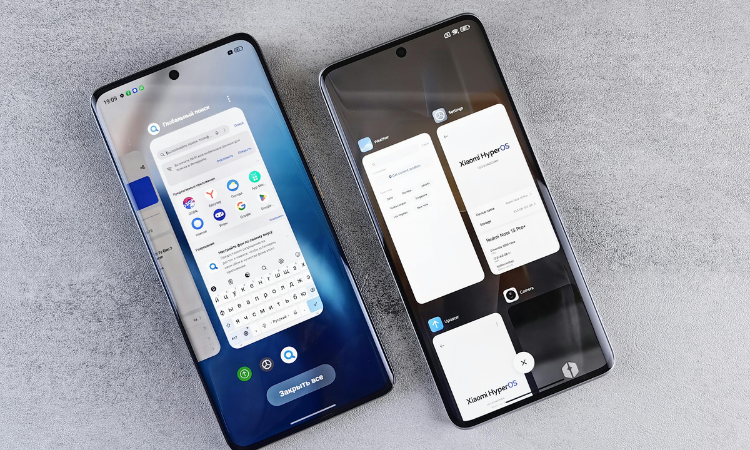
Mobile technology has transformed the way businesses interact with customers, manage operations, and generate revenue. What started as a convenience has now become a business necessity. Consumers expect seamless digital experiences, instant access to services, and personalized interactions directly from their smartphones. Companies that fail to meet these expectations risk losing market share to faster, more adaptable competitors.
For business owners, founders, and enterprise leaders, mobile strategy is no longer limited to simply launching an application. The real challenge lies in creating scalable, secure, and future-ready mobile ecosystems that evolve alongside customer expectations and market demands.
A well-planned mobile strategy can improve operational efficiency, strengthen customer loyalty, and unlock entirely new revenue streams. However, scalability and long-term sustainability require more than technical execution. They demand strategic thinking, the right technology stack, and alignment with broader business objectives.
The Shift Toward Mobile-First Business Models
Consumer behavior has changed dramatically over the past decade. Mobile devices are now the primary channel for browsing, shopping, communication, and entertainment. This shift has influenced purchasing decisions across nearly every industry.
Businesses are increasingly adopting mobile-first strategies because customers expect convenience and immediacy. Whether booking a service, managing finances, ordering products, or accessing healthcare, users want frictionless digital experiences that work flawlessly on mobile devices.
Organizations that prioritize mobile accessibility often see measurable benefits, including:
- Higher customer engagement
- Faster conversion rates
- Improved retention
- Better operational agility
- Increased brand visibility
The mobile-first approach is especially important for enterprises competing in saturated markets where customer experience has become a major differentiator.
Scalability Is More Important Than Launch Speed
Many organizations rush into mobile development focused solely on launching quickly. While speed matters, scalability matters more. A poorly designed mobile infrastructure can create technical debt, performance issues, and expensive redevelopment costs later.
Scalable mobile solutions are built with long-term growth in mind. They can handle increasing user traffic, integrate with evolving systems, and adapt to changing business requirements without major disruptions.
Scalability involves several critical components:
Flexible Architecture
Modern applications must support future feature additions, third-party integrations, and cloud scalability. Businesses that rely on rigid legacy frameworks often struggle to innovate efficiently.
Security and Compliance
Data privacy regulations continue to evolve globally. Mobile applications handling sensitive customer information must comply with industry-specific standards while protecting against cybersecurity threats.
Cross-Platform Performance
Customers expect consistent experiences across Android devices, tablets, and wearable technologies. Ensuring compatibility across multiple screen sizes and operating systems is essential for user satisfaction.
Cloud Integration
Cloud-native infrastructure enables businesses to scale resources dynamically, improve reliability, and reduce operational costs. This is especially valuable for organizations experiencing fluctuating user demand.
Customer Experience Drives Competitive Advantage
User expectations are higher than ever. Slow loading times, confusing interfaces, and inconsistent performance can quickly lead to customer abandonment.
Modern mobile experiences must prioritize usability and performance. Businesses that invest in intuitive design and seamless functionality often outperform competitors that focus solely on features.
Key elements of strong mobile user experiences include:
- Fast app performance
- Simple onboarding
- Personalized interactions
- Secure transactions
- Offline accessibility
- Responsive customer support
Decision-makers should view mobile applications not as isolated digital products, but as extensions of the overall customer journey.
A strong user experience also improves customer trust. In industries such as fintech, healthcare, logistics, and eCommerce, trust directly influences customer retention and lifetime value.
The Role of Data in Mobile Decision-Making
Mobile applications generate valuable business intelligence. From user behavior analytics to engagement metrics, mobile platforms offer deep insights into customer preferences and operational efficiency.
Organizations that leverage data effectively can make smarter strategic decisions, including:
- Identifying customer pain points
- Improving product offerings
- Optimizing marketing campaigns
- Increasing conversion rates
- Predicting user behavior trends
Analytics-driven development allows businesses to continuously improve digital experiences based on real-world usage patterns rather than assumptions.
This is one reason many enterprises partner with an experienced Android app development company that understands how to integrate analytics, performance monitoring, and scalable infrastructure into mobile ecosystems from the beginning.
Enterprise Mobility Requires Long-Term Thinking
For enterprises, mobile transformation extends far beyond customer-facing applications. Internal mobility solutions are becoming equally important for workforce productivity and operational management.
Companies across industries are implementing mobile systems for:
- Employee collaboration
- Inventory tracking
- Field service management
- Supply chain visibility
- Remote workforce operations
- Real-time reporting
These solutions help organizations streamline workflows while reducing dependency on outdated manual processes.
However, enterprise mobility initiatives often fail due to poor planning, fragmented systems, or lack of scalability. Decision-makers must align mobile initiatives with broader digital transformation goals to maximize long-term value.
Emerging Technologies Are Reshaping Mobile Development
The mobile landscape continues to evolve rapidly. Businesses that remain adaptable are better positioned to capitalize on emerging technologies and changing customer expectations.
Several technologies are currently reshaping mobile ecosystems:
Artificial Intelligence
AI-powered personalization, predictive analytics, and intelligent automation are becoming standard features in modern mobile applications.
Businesses can use AI to improve customer support, automate workflows, and deliver highly personalized user experiences.
Internet of Things (IoT)
Mobile applications increasingly serve as control hubs for connected devices across industries including healthcare, manufacturing, logistics, and smart home technology.
5G Connectivity
Faster network speeds enable richer mobile experiences, real-time processing, and enhanced multimedia functionality.
Augmented Reality (AR)
Retail, real estate, education, and healthcare sectors are using AR-powered applications to improve customer engagement and visualization capabilities.
Organizations that build adaptable mobile infrastructures today will be better prepared to integrate these technologies tomorrow.
Common Challenges Businesses Face
Despite the opportunities, mobile transformation comes with significant challenges. Many organizations struggle with balancing innovation, budget constraints, and operational complexity.
Some of the most common issues include:
Fragmented Development Processes
Lack of coordination between business teams, developers, and stakeholders can lead to misaligned objectives and costly delays.
Poor Technology Selection
Choosing the wrong frameworks or infrastructure can limit scalability and increase long-term maintenance costs.
Security Vulnerabilities
Mobile applications are frequent targets for cyber threats. Weak security protocols can expose sensitive customer and organizational data.
Inconsistent User Experience
Applications that perform differently across devices or operating systems can negatively impact customer satisfaction.
Maintenance and Updates
Mobile ecosystems require continuous monitoring, optimization, and feature enhancements to remain competitive.
Addressing these challenges requires a combination of strategic planning, technical expertise, and ongoing performance analysis.
Why Agile Development Matters
Agile development methodologies have become increasingly important in mobile projects because they allow businesses to adapt quickly to changing market conditions.
Instead of waiting months for large-scale releases, agile workflows enable teams to:
- Launch faster iterations
- Gather user feedback early
- Improve features continuously
- Reduce development risks
- Adapt to customer behavior changes
This iterative approach supports innovation while minimizing costly mistakes.
For enterprises managing large-scale digital initiatives, agility also improves collaboration between technical and non-technical stakeholders.
Security Must Be a Core Business Priority
Cybersecurity is no longer solely an IT concern. It has become a board-level business issue.
Mobile applications process sensitive financial information, personal data, authentication credentials, and proprietary business intelligence. A single security breach can damage customer trust and result in significant financial losses.
Modern mobile security strategies should include:
- End-to-end encryption
- Multi-factor authentication
- Secure APIs
- Regular vulnerability testing
- Compliance monitoring
- Real-time threat detection
Businesses that treat security as a foundational element rather than an afterthought are better positioned to protect both customers and brand reputation.
Measuring Success Beyond Downloads
Many organizations mistakenly evaluate mobile success based only on download numbers. While downloads indicate visibility, they do not measure business impact.
More meaningful performance indicators include:
- User retention rates
- Session duration
- Customer lifetime value
- Conversion rates
- Revenue growth
- Operational efficiency improvements
- Customer satisfaction metrics
These metrics provide a clearer picture of whether a mobile strategy is delivering long-term business value.
Leaders should focus on measurable outcomes that align directly with organizational goals rather than vanity metrics.
Building a Sustainable Mobile Ecosystem
Sustainable mobile growth requires continuous optimization. Successful businesses treat mobile platforms as evolving ecosystems rather than one-time projects.
This involves:
- Regular performance analysis
- Ongoing feature enhancements
- Infrastructure optimization
- Security updates
- User feedback integration
- Market trend monitoring
Companies that consistently invest in digital improvement are more likely to maintain competitive advantages over time.
Mobile ecosystems should also remain flexible enough to support future expansion into emerging technologies, new customer channels, and evolving business models.
Conclusion
Mobile technology continues to redefine how businesses operate, compete, and engage customers. As consumer expectations evolve, organizations must move beyond short-term development goals and focus on building scalable, secure, and user-centric mobile ecosystems.
A successful mobile strategy requires thoughtful planning, adaptable infrastructure, strong security practices, and a commitment to continuous improvement. Businesses that prioritize these areas are better equipped to respond to market changes, improve customer experiences, and drive sustainable growth.
For enterprise leaders and decision-makers, mobile transformation is no longer optional. It is a critical component of long-term competitiveness in an increasingly digital economy.