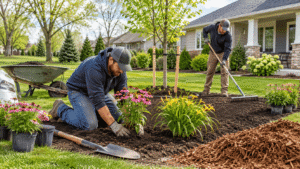
Every spring in the Red River Valley follows a familiar pattern. The snow finally melts, the yard shows up soggy and patchy, and homeowners realize that last fall’s plans never left the notebook. With a growing season that can feel shorter than a summer vacation, timing matters more here than almost anywhere else.
That’s why so many residents start looking into Gardening & Landscaping Services in Fargo, ND before the ground has even thawed. Understanding what these services involve, and why local conditions shape them so heavily, can help homeowners make smarter decisions about their outdoor spaces.
Why Landscaping in the Red River Valley Is Different
Fargo sits on some of the flattest land in North America. It was once the bed of ancient Glacial Lake Agassiz, which left behind rich but extremely heavy clay soil. Locals often call it “gumbo,” and anyone who has tried to dig in it after a rain knows why.
This soil holds nutrients well, which is great for plants. But it also drains slowly, cracks during dry spells, and compacts easily under foot traffic. A garden bed that looks perfect in June can turn into a puddle after a heavy storm.
The climate adds another layer of difficulty. The area falls mostly within USDA Hardiness Zone 4, with winter lows that regularly dip well below zero. The last frost often arrives in mid-May, and the first fall frost can show up by late September.
Then there’s the wind. Open prairie means strong gusts that dry out soil, damage young trees, and drift snow across lawns. Any landscape design that ignores wind exposure tends to struggle.
What Gardening and Landscaping Services Typically Include
The term “landscaping” covers a surprisingly wide range of work. Some homeowners need help with a single flower bed, while others want a complete yard makeover with patios, retaining walls, and irrigation.
On the gardening side, common services include planting annuals and perennials, mulching, soil amendment, pruning shrubs, and seasonal cleanups. Many local providers also help with vegetable garden setup, which remains popular across the region.
Landscaping work tends to involve bigger projects. Think sod installation, grading for drainage, tree planting, edging, and hardscape features like stone paths or fire pits. In a flood-aware city like Fargo, proper grading that moves water away from foundations is often the most valuable project of all.
Ongoing maintenance rounds out the picture. Lawn mowing, fertilizing, aeration, and fall leaf removal keep a yard healthy from one season to the next. Some companies also handle snow removal, giving homeowners a year-round point of contact.
The Real Value of Professional Help
The biggest advantage of hiring experienced local crews is knowledge. Professionals who work in the area every day understand which plants survive brutal winters and which ones quietly die by March.
For example, native prairie plants like purple coneflower, black-eyed Susan, and little bluestem grass handle the climate with ease. They need less water once established and attract pollinators. A seasoned landscaper will often steer clients toward these choices instead of fussy imports.
Soil preparation is another area where expertise pays off. Breaking up heavy clay and mixing in compost before planting can make the difference between a thriving garden and one that limps along for years. It’s labor-intensive work that many homeowners underestimate.
Time savings matter too. With such a narrow planting window, a weekend lost to trial and error can push projects back by weeks. Professional crews can often finish in a day what might take a homeowner most of the season.
There’s also a financial angle. Well-planned landscaping tends to boost curb appeal and can support property value. Good drainage work can also prevent costly foundation and basement problems down the road.
Real-World Scenarios Homeowners Face
Consider a young family that just bought an older home in north Fargo. The yard came with overgrown shrubs, a dying ash tree, and a low spot that floods every April. Their first priority isn’t flowers. It’s fixing the drainage and replacing the tree with a hardier species before it becomes a safety risk.
Or picture a retired couple in a newer south-side development. Their lot started as bare builder-grade sod on compacted soil. They want low-maintenance beds, a small vegetable garden, and some shade trees that will mature over the next decade. A thoughtful plan helps them get there without constant upkeep.
Commercial properties face their own challenges. Office parks and apartment complexes need landscapes that look sharp year-round and hold up to heavy use. Durable plantings, smart mulch choices, and reliable snow management keep these properties presentable through every season.
Some homeowners also own cabins in Minnesota lake country, which brings an entirely different set of needs. Searches for Landscaping Services in Detroit Lakes, MN often focus on shoreline restoration, erosion control, and sandy soil management rather than heavy clay. The two areas sit only about an hour apart, yet the ground beneath them behaves very differently.
How to Evaluate Local Providers
Not every landscaping company offers the same mix of skills. Some specialize in hardscaping, while others focus on lawn care or garden design. Matching the provider to the project saves time and frustration.
Experience in the region should be near the top of any checklist. A company that has worked through several Red River Valley winters understands frost heave, spring flooding, and the realities of gumbo soil.
Homeowners also benefit from asking about plant warranties, project timelines, and maintenance plans. Clear communication upfront usually signals a smoother experience overall.
Many residents find that a single provider covering both seasonal maintenance and larger projects simplifies things. Regional companies such as Good Lookin Properties LLC, for instance, work across both the Fargo-Moorhead area and nearby lake communities, which reflects how many homeowners split their time between the two.
Common Mistakes to Avoid
One of the most frequent missteps is planting too early. A few warm days in late April can be tempting, but a hard frost often follows. Waiting until mid-May protects tender plants and saves money.
Another common error is ignoring drainage. Beautiful beds placed in low spots will struggle no matter how much care they receive. Grading should come before planting, not after.
Choosing the wrong trees is also costly. Fast-growing species may look appealing, but many are brittle and break in ice storms. Hardy options like bur oak, hackberry, and certain lindens tend to hold up far better in the long run.
Finally, many people skip fall prep. Watering evergreens deeply before freeze-up, wrapping young tree trunks, and cleaning up beds all help landscapes bounce back faster in spring.
Final Thoughts
Landscaping in the northern plains takes patience, planning, and a solid understanding of local conditions. Heavy clay, harsh winters, and a short growing season all shape what works and what doesn’t.
Whether the goal is a simple garden refresh or a full yard redesign, starting early gives homeowners the best chance of success. Booking consultations in late winter, before the spring rush, is often the smartest first move for anyone considering Gardening & Landscaping Services in Fargo, ND.
Frequently Asked Questions
When is the best time to start landscaping in Fargo?
Most planting begins after the last frost, typically in mid-May. Planning and booking, however, are best done in late winter, since local crews fill their schedules quickly once the snow melts.
How much do landscaping services usually cost in the Fargo area?
Costs vary widely based on project size and materials. Basic maintenance may cost a modest monthly fee, while full redesigns with hardscaping can run into the thousands. Getting multiple quotes helps set realistic expectations.
What plants grow best in Fargo, ND?
Native and cold-hardy plants perform best. Popular choices include purple coneflower, black-eyed Susan, prairie grasses, daylilies, and hardy shrubs like lilac and dogwood that tolerate Zone 4 winters.
How do you improve clay soil for gardening?
Mixing in compost, aged manure, or other organic matter helps loosen heavy clay and improve drainage. Raised beds are another practical option for vegetable gardens and smaller flower beds.
Is landscaping in Detroit Lakes different from Fargo?
Yes. Lake country often has sandier soil and shoreline concerns, so Landscaping Services in Detroit Lakes, MN tend to focus more on erosion control and water-friendly plantings than on clay drainage issues.