When your air conditioner suddenly stops cooling properly, makes unusual noises, or refuses to turn on, it can be frustrating. In many cases, the problem may not mean that you need a completely new AC. A faulty component or worn-out replacement part could be the real reason behind the issue.
This is where AC PCB boards and air conditioner spare parts become important. From electronic control boards to sensors, capacitors, motors, and other components, the right spare part can help restore your AC’s performance without the cost of replacing the entire system.
But how do you know which part you actually need? And how can you make sure the replacement is compatible with your air conditioner? Let’s break it down in simple terms.
What Is an AC PCB Board?
A PCB, or Printed Circuit Board, is one of the most important electronic components inside a modern air conditioner. You can think of it as the control center of the unit.
The PCB communicates with different parts of the AC and helps control functions such as temperature regulation, fan operation, compressor activity, and other electronic processes.
Modern air conditioners often rely heavily on electronic control systems. If the PCB develops a fault, you may notice several problems. Your AC might not turn on, the indoor or outdoor unit may behave unexpectedly, or the system may fail to maintain the desired temperature.
A damaged PCB does not always mean that the entire air conditioner needs to be replaced. In many situations, replacing the faulty board with a compatible one can bring the system back to normal operation.
Why Are Air Conditioner Spare Parts Important?
Every air conditioner contains multiple components that work together. Over time, some of these parts can wear out because of regular use, electrical fluctuations, dust, moisture, heat, or general aging.
Spare parts provide a practical way to repair the system and extend its useful life.
Depending on the problem, an AC technician may need to replace components such as:
- PCB boards
- Capacitors
- Fan motors
- Sensors
- Relays
- Contactors
- Thermostats
- Display boards
- Compressor-related components
- Remote controls
The important thing is that the replacement should match the requirements of your particular AC model.
Signs That Your AC PCB May Have a Problem
A PCB issue can sometimes be difficult to identify because similar symptoms can be caused by other components. Still, there are some warning signs worth paying attention to.
For example, the AC may suddenly stop responding to commands. The indoor unit might switch on but fail to communicate properly with the outdoor unit. You may also notice unusual error codes on the display or inconsistent cooling.
Inverter air conditioners can be particularly dependent on their electronic control systems. If the PCB responsible for communication or control develops a fault, the entire system can be affected.
However, it is always better to have the problem diagnosed by a qualified technician before purchasing a replacement board. Replacing a perfectly good PCB will only add unnecessary expense.
How to Choose the Right Replacement PCB
Choosing a replacement PCB is not simply about finding a board that looks similar to the original. Two boards can look almost identical while having completely different specifications.
Start by checking the AC manufacturer’s name, model number, and serial information. The part number printed on the existing PCB can also be extremely useful.
You should also check whether the board is designed for the same type of air conditioner. For example, an inverter AC may require a specific control board designed to work with its inverter system.
Voltage, connectors, communication systems, firmware compatibility, and other technical specifications can also matter.
If you’re unsure about the correct component, a useful guide on AC PCB boards and air conditioner spare parts can help you understand the key factors to consider before making a purchase.
Should You Buy an Original or Compatible Part?
This is a common question among AC owners.
Original equipment manufacturer (OEM) parts are designed specifically for particular AC systems. They can be a good choice when you want a direct replacement and can verify the exact part number.
Compatible replacement parts can also be an option, provided they meet the technical requirements of your air conditioner and come from a reliable source.
The most important factor is compatibility. A cheaper part is not necessarily a better deal if it does not work correctly with your AC.
Before purchasing, compare the part number, specifications, connector arrangement, voltage requirements, and model compatibility.
Why Professional Installation Matters
Even after finding the correct PCB or spare component, installation should not be treated as a simple DIY project.
Air conditioners contain electrical components that can be dangerous when handled incorrectly. A PCB also needs to be installed properly to ensure that the wiring, connectors, and communication between components work as intended.
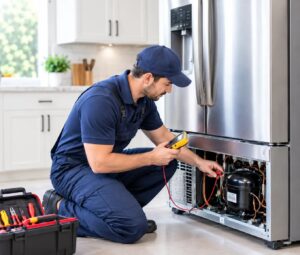
A qualified AC technician can inspect the system, identify the actual fault, install the replacement component, and test the air conditioner afterward.
This can save you from damaging a new component or creating additional electrical problems.
How to Avoid Buying the Wrong Spare Part
One of the easiest mistakes to make is purchasing a component based only on appearance.
Instead, gather as much information as possible before ordering. Note your AC brand and model, check the existing component’s part number, and compare technical specifications.
If you’re planning to Buy AC PCB board, take a moment to verify compatibility before placing the order.
It is also a good idea to purchase from a supplier that provides clear product information and support. A trustworthy supplier should make it easier to understand whether a particular component is suitable for your AC.
Regular Maintenance Can Reduce Spare-Part Problems
While spare parts are essential for repairs, regular AC maintenance can help reduce the chances of unexpected failures.
Clean or replace filters when required, keep the outdoor unit free from excessive dust and debris, and have the system inspected periodically. Electrical connections and other important components should also be checked by a professional when necessary.
Good maintenance does not guarantee that a PCB or another component will never fail, but it can help your AC operate more efficiently and allow potential problems to be identified earlier.
Final Thoughts
An air conditioner does not necessarily need to be replaced just because one component has failed. In many cases, replacing the faulty part can be a more practical and affordable solution.
PCB boards are particularly important in today’s electronically controlled air conditioners because they manage communication and control between different components. However, selecting the correct replacement requires more than simply matching the appearance of the old board.
Always check your AC’s model information, part number, specifications, and compatibility before purchasing. When dealing with electrical components, professional diagnosis and installation are also strongly recommended.
With the right replacement component and proper maintenance, you can keep your air conditioner running reliably and potentially extend its service life for years to come.