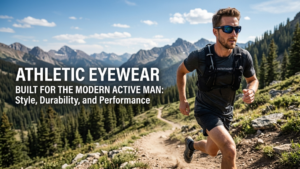
Today’s active man demands more from his athletic eyewear than yesterday’s bulky, utilitarian sport glasses could ever offer. He wants frames that can keep up with an early morning run, look sharp during a casual lunch, and hold together through years of daily wear. That’s a tall order — and it’s exactly what the best modern sport-style eyewear is designed to deliver.
Redefining What Sport Eyewear Should Do
For too long, the sport eyewear category was dominated by two extremes: cheap, flimsy casual frames that broke at the first sign of impact, and heavy-duty athletic goggles designed exclusively for competitive sports with no aesthetic consideration whatsoever.
The modern active man’s needs live in the space between these extremes. He needs frames built with genuine performance engineering — impact resistance, secure fit, grip technology — but wearing them at a coffee shop or in a work meeting shouldn’t look like he forgot to take his running gear off.
The best sport-style glasses have finally closed this gap, and the market is better for it.
The Performance Engineering Behind Quality Sport Frames
Understanding the engineering that goes into quality sport-style eyewear helps you evaluate your options more effectively.
TR-90 thermoplastic is the defining material advancement that transformed sport eyewear over the past two decades. This injection-molded polymer is lighter than standard acetate by a significant margin, yet far more impact resistant. TR-90 can flex extensively without cracking — absorbing the energy of impacts that would shatter conventional plastic frames.
Spring hinge technology further enhances durability. Spring hinges flex outward to accommodate head sizes above the frame’s default calibration, reducing the mechanical stress that eventually causes conventional hinge failures. For glasses subjected to frequent on/off cycles during athletic activities, spring hinges dramatically extend frame lifespan.
Rubberized grip zones at the nose bridge and temple tips use high-friction materials that perform under sweat conditions where smoother surfaces would slide. This gripping technology is what separates sport frames from casual frames in real-world athletic use — without it, vigorous movement sends glasses sliding down your nose immediately.
Polarized and photochromic lens options add functional versatility. Polarized lenses eliminate reflected glare from water, pavement, and other surfaces — critical for outdoor activities like cycling, running near water, or driving. Photochromic lenses automatically adjust tint based on ambient light levels, making them ideal for variable-light conditions during outdoor activities.
The Style Dimension: Athletic Frames You’ll Actually Want to Wear
Performance engineering gets your glasses through your workout. But you’ll spend far more time wearing these frames in non-athletic contexts — commuting, working, socializing — than you will in the middle of a run.
This is where design philosophy matters enormously. Sport-style frames designed with genuine aesthetic intentionality feature clean lines, purposeful color schemes, and proportions that read as deliberate rather than accidental.
The best sport frames borrow visual cues from athletic heritage without looking costume-like. A slightly curved profile, clean color blocking, and minimal branding all contribute to a look that says active lifestyle without screaming athletic equipment.
For men who dress in the smart-casual to casual register — fitted T-shirts, clean athletic wear, casual trousers, sneakers — sport-style frames integrate naturally and enhance rather than interrupt the overall aesthetic.
When the Manlykicks eyewear launch debuted its sport-style collection, the guiding principle was creating frames that worked as well at the farmers market on Saturday morning as they did on the trail — without requiring a wardrobe strategy to justify the transition.
Choosing the Right Sport Frame for Your Activity Profile
Different activities create different demands on eyewear. Matching your frame choice to your primary activities maximizes the value of your investment.
Running and general fitness: Prioritize lightweight frames with aggressive grip technology and secure wrap fit. Frame weight under 25 grams is ideal. Ventilated designs prevent fogging during high-exertion efforts.
Cycling: Wide lens coverage for peripheral protection and aerodynamic frame profiles minimize wind interference and distortion. Photochromic lenses handle the light transitions between shaded and open road sections effectively.
Outdoor and trail activities: Prioritize UV400 protection, impact-resistant polycarbonate lenses, and secure grip in potentially wet conditions. Some trail activities benefit from amber or yellow tints that enhance contrast and depth perception in variable lighting.
Gym and indoor fitness: Impact resistance and grip are the primary priorities for indoor training. Lens tint matters less; clear or very light tints work best in artificial lighting environments.
General active lifestyle: For men who want one frame that handles everything, choose neutral colors, clear or light grey lenses, TR-90 construction, spring hinges, and rubberized grip zones.
Fit: The Most Critical Performance Variable
Even the most technically advanced sport frame fails if it doesn’t fit properly. A frame that slides during activity becomes a constant distraction and may actually create safety concerns by obstructing vision at critical moments.
The frame should sit snugly at the nose bridge without pinching. Temples should grip firmly at the ear without creating pressure points. The frame should not move when you shake your head moderately — test this explicitly before committing to a purchase.
Frequently Asked Questions
Q: What makes sport glasses different from regular casual glasses? A: Sport glasses use materials (TR-90, rubberized grips) and engineering features (spring hinges, wrap geometry, ventilation) specifically designed for movement, sweat, and impact scenarios that regular casual frames aren’t engineered to handle.
Q: Can I use regular prescription glasses during exercise? A: You can, but regular glasses aren’t ideal for vigorous activity. They lack the grip technology and impact resistance needed for secure, safe performance. Sport-specific frames provide a meaningfully better experience during athletic use.
Q: Are polarized lenses worth it for sport glasses? A: For outdoor activities near water, on roads, or in variable-glare environments, polarized lenses deliver a significantly better visual experience and reduce eye fatigue noticeably. For indoor activities or sports where contrast enhancement matters more than glare reduction, non-polarized options may be preferable.
Q: How do I clean sport glasses after sweating in them? A: Rinse with clean water first to remove salt deposits from sweat. Then clean with a mild soap or lens-specific cleaner and a microfiber cloth. Avoid abrasive materials and household cleaners that can damage lens coatings.
Q: Do sport frames come in prescription versions? A: Yes, most quality sport frames can accommodate prescription lenses. Single-vision prescriptions are straightforward. Progressive and bifocal prescriptions may require consultation with an optician experienced in sport lens fitting due to the curved lens geometry of some sport frames.