Renovating a home is an exciting journey—new layouts, modern finishes, and improved functionality can completely transform a living space. However, one critical area that homeowners often overlook before starting renovations is the basement. Whether you plan to convert your basement into a cozy living area, a home office, or extra storage space, waterproofing should be at the top of your checklist.
Ignoring moisture issues can lead to costly damage, structural problems, and even health risks due to mold growth. That’s why understanding basement waterproofing before renovation isn’t just helpful—it’s essential.
In this comprehensive guide, we’ll explore everything homeowners need to know about basement waterproofing, from identifying warning signs to choosing the right solutions. We’ll also highlight key strategies and expert insights to help you protect your investment and ensure long-term peace of mind.
Why Basement Waterproofing Matters Before Renovation
Before diving into flooring choices or wall finishes, it’s crucial to address any underlying moisture issues. Renovating a damp basement without waterproofing is like building a house on a weak foundation—it may look good initially, but problems will eventually surface.
Water intrusion can cause:
- Structural damage to foundation walls
- Mold and mildew growth
- Damage to furniture and electronics
- Peeling paint and warped flooring
- Musty odors that linger
Waterproofing ensures that your renovation efforts are protected and that your basement remains dry, safe, and usable for years to come.
Common Causes of Basement Moisture
Understanding what causes basement moisture is the first step toward preventing it. Several factors can contribute to water problems:
1. Poor Drainage Around the Foundation
If water is not directed away from your home properly, it can accumulate around the foundation and seep inside.
2. Cracks in Foundation Walls
Even small cracks can allow water to enter, especially during heavy rainfall.
3. Hydrostatic Pressure
Water buildup in the soil around your home creates pressure against basement walls, forcing moisture inside.
4. Faulty Gutters and Downspouts
Clogged or improperly installed gutters can cause water to overflow and pool near your foundation.
5. Condensation
Humidity inside the basement can lead to condensation on walls and floors, mimicking a leak.
Signs Your Basement Needs Waterproofing
Before starting any renovation, inspect your basement for signs of moisture issues. Some common indicators include:
- Damp or musty smells
- Visible mold or mildew
- Water stains on walls or floors
- Peeling paint or bubbling drywall
- Efflorescence (white powdery residue on walls)
- Pooled water or damp spots
If you notice any of these signs, it’s best to address them immediately before proceeding with renovations.
Types of Basement Waterproofing Methods
There isn’t a one-size-fits-all solution when it comes to waterproofing. The right method depends on the severity of the issue and the structure of your home.
Interior Waterproofing
Interior solutions focus on managing water that has already entered the basement.
- Sealants and coatings
- Interior drainage systems
- Sump pumps
These methods are often more affordable and quicker to implement but may not address the root cause of the problem.
Exterior Waterproofing
Exterior waterproofing prevents water from entering your home in the first place.
- Excavation around the foundation
- Waterproof membranes
- Drainage systems
This is typically more expensive but offers a long-term solution.
Drainage Systems
Proper drainage is essential for keeping your basement dry.
- French drains
- Footing drains
- Surface drainage systems
These systems help redirect water away from your foundation effectively.
Essential Basement Waterproofing Tips
1. Inspect Before You Renovate
Never start basement renovations without a thorough inspection. Identify existing moisture problems and address them first.
- Fix Foundation Cracks
Cracks in your foundation are one of the most common entry points for water. Use appropriate sealants or consult professionals for larger structural issues.
- Improve Exterior Drainage
Ensure that your yard slopes away from your home. This prevents water from pooling near your foundation.
- Clean and Maintain Gutters
Regularly clean gutters and extend downspouts at least 5–10 feet away from your home.
- Install a Sump Pump
A sump pump can be a lifesaver during heavy rains or flooding. It removes accumulated water from your basement efficiently.
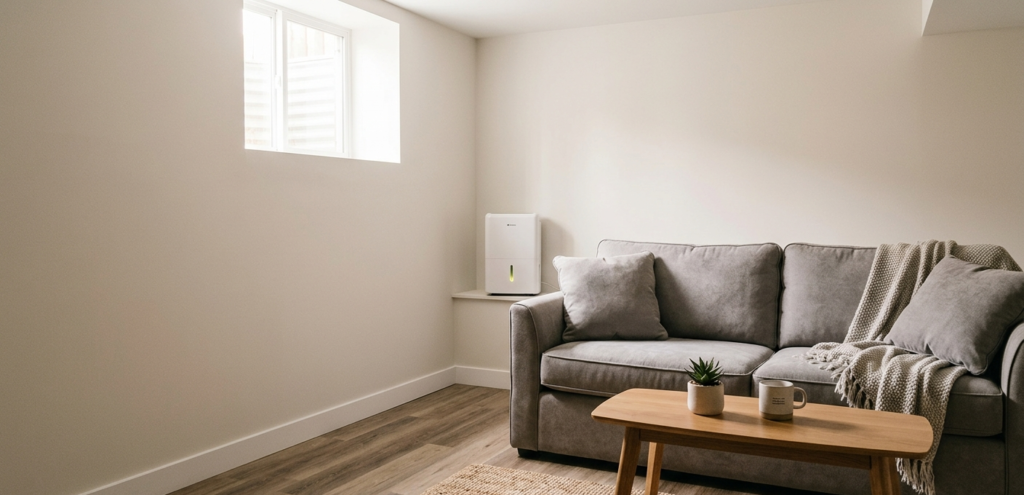
- Use a Dehumidifier
Maintaining proper humidity levels prevents condensation and mold growth.
- Choose Waterproof Materials
When renovating, opt for materials that resist moisture:
- Vinyl flooring instead of hardwood
- Mold-resistant drywall
- Waterproof insulation
- Seal Walls and Floors
Applying waterproof coatings to basement walls and floors adds an extra layer of protection.
- Consider Professional Help
While DIY solutions can work for minor issues, severe water problems require professional expertise. Many homeowners rely on basement waterproofing experts to ensure long-lasting results.
- Plan for Long-Term Maintenance
Waterproofing isn’t a one-time task. Regular maintenance is essential to keep your basement dry.
DIY vs. Professional Waterproofing
DIY Waterproofing
DIY solutions are suitable for minor issues like small cracks or condensation problems. They are cost-effective but may not provide a permanent solution.
Professional Waterproofing
Hiring professionals ensures:
- Accurate diagnosis of the problem
- Long-term solutions
- Warranty and peace of mind
For those seeking reliable guidance and services, resources like wet basement solutions guide can help homeowners understand their options and connect with experts.
Cost of Basement Waterproofing
The cost of waterproofing varies depending on the method and severity of the problem.
- Interior waterproofing: $500 – $5,000
- Exterior waterproofing: $5,000 – $15,000+
- Sump pump installation: $1,000 – $3,000
While these costs may seem high, they are a worthwhile investment compared to the potential damage caused by water intrusion.
Mistakes to Avoid Before Renovating Your Basement
1. Ignoring Minor Leaks
Small leaks can turn into major problems over time.
2. Skipping Waterproofing Entirely
This is one of the most common and costly mistakes homeowners make.
3. Using Non-Waterproof Materials
Materials that absorb moisture will deteriorate quickly.
4. Poor Ventilation
Lack of airflow can lead to humidity buildup and mold growth.
5. Not Consulting Experts
Professional advice can save you time, money, and stress.
Benefits of Waterproofing Before Renovation
- Protects your investment
- Increases property value
- Improves indoor air quality
- Prevents structural damage
- Enhances living space usability
How Waterproofing Adds Value to Your Home
A dry, well-maintained basement is a major selling point for potential buyers. It shows that the home has been properly cared for and reduces concerns about hidden issues.
Waterproofing can:
- Increase resale value
- Make your home more attractive to buyers
- Reduce repair costs in the future
Seasonal Considerations for Basement Waterproofing
Different seasons bring different challenges:
- Spring: Heavy rains increase risk of flooding
- Summer: Humidity leads to condensation
- Fall: Leaves clog gutters and drainage systems
- Winter: Snowmelt can cause water intrusion
Planning waterproofing efforts according to seasonal risks can help you stay ahead of potential problems.
Eco-Friendly Waterproofing Options
For environmentally conscious homeowners, there are sustainable waterproofing solutions available:
- Non-toxic sealants
- Energy-efficient dehumidifiers
- Proper landscaping to reduce runoff
These options not only protect your home but also minimize environmental impact.
Final Thoughts
Basement waterproofing is a crucial step that should never be overlooked before renovation. It lays the foundation for a safe, durable, and comfortable living space.
By identifying potential issues early, choosing the right waterproofing methods, and investing in proper maintenance, homeowners can avoid costly repairs and enjoy a dry, functional basement for years to come.
Whether you’re planning a minor upgrade or a full basement transformation, taking the time to waterproof your space will ensure that your renovation efforts stand the test of time.