Quick summary
- A basic download is usually one image file. A finished logo is a set of files and rules you can use everywhere.
- Before paying, check for vector files, color and layout versions, small-size testing, and clear ownership terms.
- Price alone tells you little. Process, deliverables and revision terms tell you more.
- Local experience, like Miami logo design knowledge, helps if your customers are local, but it isn’t a requirement.
You pay, you click download, and there it is. A logo. It looks good on screen, so it must be done. Then a sign shop asks for a vector file and you realize all you have is one PNG.
That gap is the whole story when you’re comparing the best online logo design service options. They all promise a logo. What differs is what you walk away with and whether it holds up outside your laptop screen. Here’s how to spot the difference before you spend anything.
The Four Kinds of Online Logo Services
Most options fall into one of four groups, and they behave very differently.
- Generators and template tools. Fast and cheap. You pick from existing styles and swap in your name. The catch is that other businesses can end up with something very similar.
- Marketplaces and contests. Several designers submit ideas from a short brief. Quality varies a lot, and there’s often little strategy behind the work.
- Freelancers. Can be excellent. It depends entirely on the person, so check their portfolio, contract and availability.
- Studios and agencies. Usually include a discovery step, defined concepts, revisions and a full file set. They tend to cost more and take longer.
What a Basic Download Usually Gives You
Often it’s a single raster file, a PNG or JPG, maybe with a transparent background. Some tiers add a vector file, some don’t. That’s fine for a social media avatar. It’s a problem when you need a banner, a vehicle wrap, an embroidered shirt or a printed menu. Raster files blur when enlarged, and you can’t edit them cleanly.
Cheap isn’t the issue. Missing pieces are.
What a Finished Logo Should Include
A finished logo is built to be used, not just looked at. Expect most of this:
- Vector files (SVG, EPS, AI or PDF) that scale without blur
- Raster files (PNG, JPG) in several sizes
- Layout versions, such as horizontal, stacked and icon-only
- Color versions, including full color, one color, black, and white for dark backgrounds
- Basic usage guidelines covering color codes, fonts, spacing and what not to do
- Proof it was tested small, like a favicon or a hangtag
Process Signals Worth Checking
A good provider asks about your business, customers and competitors before drawing anything. They present concepts as real directions, not a random pile of options. And they tell you upfront how many revision rounds are included. If a service skips straight to showing logos, you’re probably getting a template with your name on it.
Ownership and Rights
Read the terms. Confirm you get full rights to the final files, whether source files are included, and how fonts and any stock elements are licensed. Some template tools limit how you can use the result. If it isn’t written down, don’t assume it.
Does Location Matter? Miami Logo Design as an Example
Sometimes. If your customers are in South Florida, a designer who knows the market may pick up cues a remote designer would miss. Bilingual audiences, tourism-driven seasons and neighborhood identities all shape what feels right. That’s what people usually mean when they search for Miami logo design.
It’s not required, though. A strong process matters more than a zip code. The Logo Boutique, based in Hollywood, Florida, works with startups, small businesses and e-commerce brands, and local familiarity is one part of that, not the whole pitch.
Questions to Ask Before You Pay
- Which file formats will I receive?
- How many concepts and revision rounds are included?
- Do I own the final logo and the source files?
- Will it come with usage guidelines or at least color and font details?
- What’s the timeline, and what happens if the first direction misses?
Common Mistakes
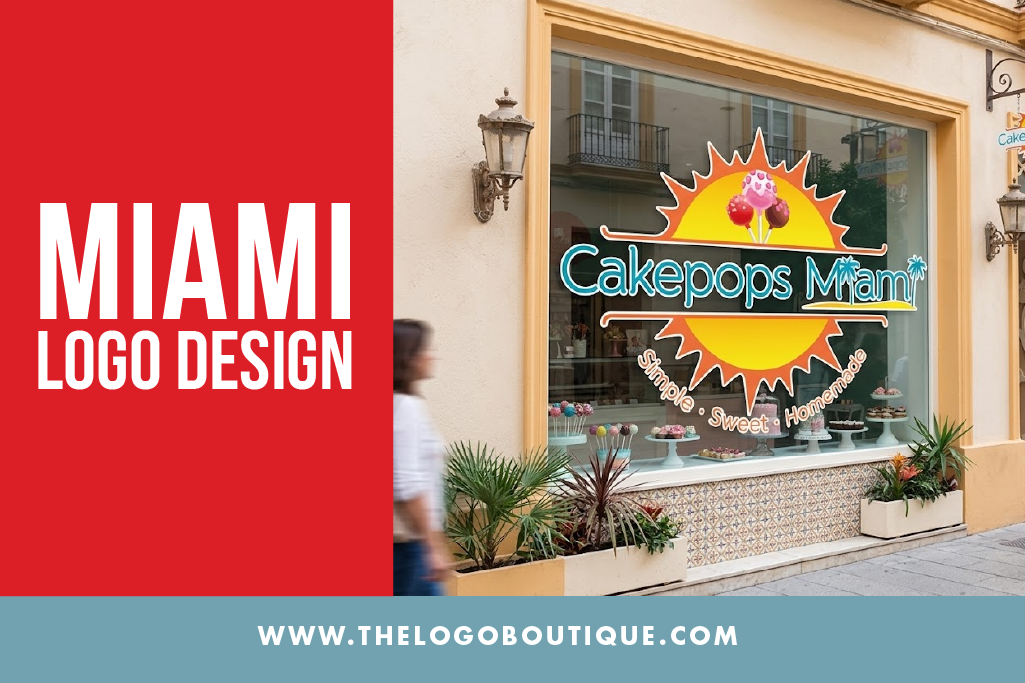
Choosing based on a polished mockup. Mockups show the logo on a mug or storefront, not whether the files will work on a real one. Skipping a basic trademark search. And paying for lots of concepts when what you need is a good process and a clear brief.
FAQs
Is a cheap online logo ever good enough?
Sometimes, for a side project or placeholder. For a business you plan to grow, check the file formats, ownership terms and revision limits first. A low price that leaves you without usable files often costs more later.
What file formats should I get?
At minimum, vector files (SVG, EPS, AI or PDF) and PNG files in several sizes. Vectors scale without blur for signs and print. PNGs work for web and social media.
Do I need a trademark check?
A logo being new to you doesn’t mean it’s unique. Search the USPTO trademark database and look for similar businesses in your industry. For legal certainty, talk to a trademark attorney. This isn’t legal advice.
How long does a custom logo take?
It varies by provider and how fast you give feedback. Ask for a written timeline before you pay, including how many revision rounds it covers.
Conclusion
Every online logo service can hand you a picture. A finished logo is a working tool: files that scale, versions for different backgrounds, rules for using it, and rights you can confirm. Compare services on those points instead of on the first mockup, and the choice gets easier. Ask the boring questions before you pay. They’re the ones that save you from reordering signs, business cards or packaging a few months down the road.