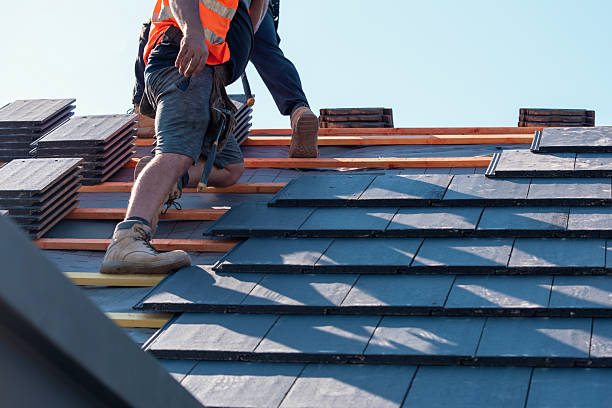
Builder carefully places roof tiles on a sloped surface while standing on top of a building showcasing the effort involved in roofing work
Shingle roofing remains one of the most common roofing options for residential properties. Homeowners choose shingles because they offer practical protection, attractive designs, and a range of material choices. A properly installed roof can help protect a home from rain, wind, sunlight, and changing temperatures. However, choosing the right Shingle Roofing requires an understanding of the available types, installation requirements, costs, and maintenance needs.
What Is Shingle Roofing?
Shingle roofing uses individual overlapping pieces of roofing material to create a protective surface over a building.
How Shingle Roofs Work
Roof shingles overlap in rows. This design directs rainwater toward gutters and prevents moisture from entering the roof structure. Under the shingles, roofing systems usually include an underlayment, flashing, and other protective components.
Common Shingle Materials
Manufacturers produce shingles from several materials. Asphalt shingles are particularly common because they balance affordability, appearance, and durability. Other options include wood, metal, slate, and composite shingles. Each material has different maintenance requirements, costs, and expected lifespans.
Types of Shingle Roofing
Different shingle materials suit different properties and budgets. Understanding the main options can make the selection process easier.
Asphalt Shingles
Asphalt shingles are widely used for residential roofing. They generally come in two main styles: three-tab and architectural shingles. Three-tab shingles have a simpler design, while architectural shingles have a dimensional appearance and often provide greater durability.
Wood Shingles
Wood shingles provide a natural appearance that works well with traditional and rustic home designs. Cedar is a common choice. Wood roofing requires regular maintenance because moisture, insects, and weather exposure can affect the material.
Slate and Composite Shingles
Slate shingles offer a distinctive appearance and can last for many decades when properly installed and maintained. Composite shingles can imitate the appearance of materials such as slate or wood while often weighing less and requiring less maintenance.
Benefits of Shingle Roofing
Shingle roofing provides several advantages for residential properties.
Affordable Roofing Option
Many shingle materials cost less than premium roofing systems. Asphalt shingles, in particular, are often accessible for homeowners working with different budgets. Installation can also be relatively straightforward when compared with some specialized roofing materials.
Variety of Styles
Shingles are available in many colors, textures, shapes, and designs. Homeowners can select an appearance that complements the architectural style of their property.
Easy Repairs and Replacement
Individual damaged shingles can often be replaced without removing the entire roof. This can make routine roof repairs more manageable and help prevent small problems from becoming larger issues.
Shingle Roofing Costs
The cost of a shingle roof depends on several factors. There is no single price that applies to every property.
Factors That Affect Cost
Roof size, material, labor, roof pitch, existing roof condition, underlayment, flashing, and removal of old roofing can all influence the total expense. Architectural and premium shingles generally cost more than basic asphalt options.
Installation and Long-Term Value
A lower initial price does not always mean the lowest long-term cost. Homeowners should consider expected lifespan, maintenance requirements, energy performance, and potential repair expenses when comparing roofing materials.
Shingle Roof Installation Process
Professional installation involves several important steps.
Preparing the Roof
Before installing new shingles, the roof deck should be inspected. Damaged or deteriorated areas may need repair. Contractors typically install protective underlayment and prepare flashing around vulnerable areas such as chimneys, vents, and roof valleys.
Installing the Shingles
Shingles are installed in overlapping courses according to the manufacturer’s specifications. Proper alignment and fastening help the roof resist wind and water penetration. Ridge caps are then installed along the roof’s highest points to complete the system.
Shingle Roof Maintenance
Regular maintenance can help extend the useful life of a shingle roof.
Routine Inspections
Homeowners should inspect their roofs periodically for cracked, curled, loose, or missing shingles. It is also important to check flashing, gutters, and areas around roof penetrations.
Cleaning and Repairs
Leaves, branches, and other debris should not remain on the roof for long periods. Gutters should also remain clear so water can drain properly. Promptly repairing damaged shingles can reduce the risk of leaks and structural damage.
How Long Does Shingle Roofing Last?
The lifespan of a shingle roof varies according to its material, quality, installation, weather exposure, and maintenance.
Signs of an Aging Roof
Common warning signs include widespread granule loss, curling shingles, frequent leaks, damaged flashing, and visible deterioration. If these problems appear across large sections of the roof, replacement may be more practical than repeated repairs.
Conclusion
Shingle roofing offers homeowners a practical combination of protection, style, and material choices. Asphalt, wood, slate, and composite shingles each provide different benefits and maintenance requirements. Understanding installation, costs, lifespan, and routine care can help property owners make informed roofing decisions.
For additional roofing information and professional roofing resources, AAA Roofing STL is a website that homeowners can explore when researching shingle roofing and related roofing topics.