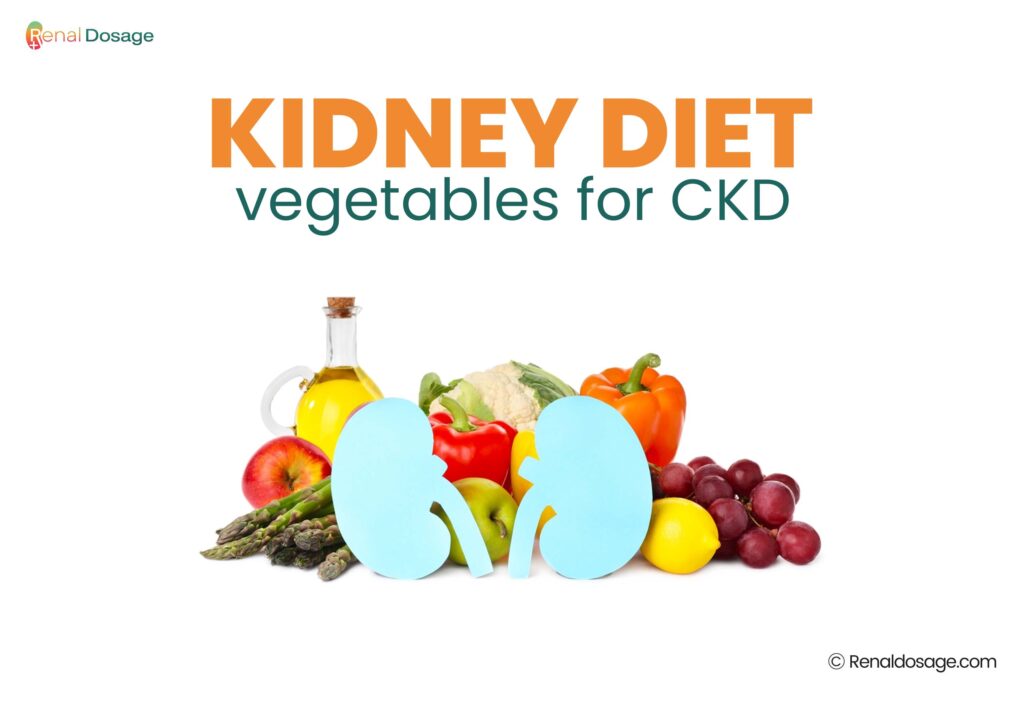
The Power of Plants for Your Kidneys
Your kidneys are silent workhorses. Every day, these two bean-shaped organs filter about 120 to 150 quarts of blood to produce 1 to 2 quarts of urine, removing waste, balancing fluids, and regulating blood pressure. When they aren’t functioning optimally, what you eat becomes a critical factor in managing your health.
For those focused on kidney health, diet is not just about restriction; it’s about empowerment. Vegetables are packed with vitamins, fiber, and antioxidants that fight inflammation and reduce the workload on your kidneys. However, not all vegetables are created equal. For individuals with chronic kidney disease (CKD) , certain minerals like potassium and phosphorus must be monitored carefully.
This guide will walk you through the best vegetables for kidney health, explaining which ones nourish your body, which ones to limit, and how to build a sustainable, kidney-friendly eating plan.
Why Diet Matters for Kidney Function?
The kidneys maintain homeostasis by balancing electrolytes (sodium, potassium, phosphorus) and removing toxins. When kidney function declines whether due to diabetes, hypertension, or glomerulonephritis these waste products and minerals can accumulate in the blood, leading to serious complications.
A diet supporting kidney health focuses on three main pillars:
- Low Sodium: To manage blood pressure and fluid retention.
- Controlled Potassium: To prevent heart arrhythmias.
- Controlled Phosphorus: To protect bones and blood vessels.
Vegetables are the foundation of a healthy diet, but selecting the right ones requires a balance between getting essential nutrients and managing mineral intake.
The Best Vegetables for Kidney Health
Here is a curated list of vegetables that are generally considered safe and beneficial for supporting kidney function, categorized by their nutritional profiles.
Bell Peppers (Capsicum)
Why they are great: Bell peppers are a powerhouse for kidney health.
- Nutritional profile: Low in potassium and rich in vitamins A, C, and B6.
- Benefits: Vitamin C is a potent antioxidant that helps reduce oxidative stress in the kidneys. Folic acid helps prevent anemia, a common complication of kidney disease.
- How to use: Slice them raw for snacks, add to stir-fries, or roast them.
Cabbage
Why it’s great: Cabbage is a cruciferous vegetable that is extremely low in potassium and packed with phytochemicals.
- Nutritional profile: Rich in vitamin K, vitamin C, and fiber.
- Benefits: The phytochemicals in cabbage break up free radicals before they can cause cellular damage. It also provides fiber to help with digestion, which is often sluggish in CKD patients.
- How to use: Use as a wrap for sandwiches, make coleslaw, or add to soups.
Cauliflower
Why it’s great: Cauliflower is a versatile, kidney-friendly alternative to high-potassium vegetables like potatoes.
- Nutritional profile: Low in potassium and phosphorus.
- Benefits: Contains indoles, glucosinolates, and thiocyanates compounds that help the liver neutralize toxic substances. It is also an excellent source of vitamin C and folate.
- How to use: Mashed as a substitute for mashed potatoes, roasted, or riced for grain-free bases.
Onions and Garlic
Why they are great: These alliums add flavor without needing salt.
- Nutritional profile: Extremely low in sodium and potassium.
- Benefits: Onions contain quercetin, a powerful flavonoid that reduces inflammation and acts as a natural antihistamine. Garlic is known for its anti-inflammatory and cardiovascular benefits, helping to lower cholesterol and blood pressure.
- How to use: Use as a base for sauces, soups, and roasts to replace salt.
Radishes
Why they are great: Radishes are a crisp, hydrating vegetable with mineral-regulating properties.
- Nutritional profile: Very low in potassium and phosphorus.
- Benefits: They contain compounds that help improve blood flow and reduce oxidative damage.
- How to use: Sliced into salads or pickled.
Cucumber
Why it’s great: High water content helps with hydration without overloading potassium levels.
- Nutritional profile: Low in potassium, sodium, and phosphorus.
- Benefits: Helps flush out toxins and maintains hydration status, which is crucial for kidney function.
- How to use: Sliced in water, in salads, or as a crunchy snack.
Arugula
Why it’s great: While many leafy greens are high in potassium, arugula is a safer alternative.
- Nutritional profile: Lower in potassium than spinach or kale.
- Benefits: Rich in nitrates that may help lower blood pressure and magnesium.
- How to use: As a salad base or pesto.
Vegetables to Limit or Avoid
While vegetables are healthy, some contain high levels of potassium or oxalates, which can be dangerous for individuals with advanced chronic kidney disease or those prone to kidney stones.
High-Potassium Vegetables (Avoid if K+ levels are high)
- Potatoes and Sweet Potatoes: Very high in potassium (can be “leached” by boiling and discarding the water).
- Tomatoes and Tomato Products: Tomato sauce, paste, and juice are concentrated sources of potassium.
- Spinach: Extremely high in potassium and oxalates.
- Avocado: While healthy, it is very high in potassium.
- Winter Squash: Butternut, acorn, and pumpkin.
High-Oxalate Vegetables (Risk for Stones)
- Spinach
- Swiss chard
- Beets (beetroot)
How to Prepare Vegetables to Reduce Potassium?
If you are on a renal diet but still want to enjoy higher-potassium vegetables like potatoes or carrots, leaching is a scientifically proven method to reduce potassium content by up to 50%.
Step-by-step leaching process:
- Peel the vegetable and rinse in warm water.
- Cut into thin slices (about 1/8 inch thick).
- Soak in warm water for at least 2 hours (use a ratio of 10 parts water to 1 part vegetable).
- Rinse again under warm water.
- Boil the vegetable in water (using the same 10:1 ratio) for 5 minutes.
- Discard the cooking water and do not use it for soups or gravy.
Pros and Cons of a Vegetable-Focused Renal Diet
Pros
- Reduced Acid Load: Vegetables are alkaline-forming, which reduces the acid load on the kidneys compared to a meat-heavy diet.
- Lower Blood Pressure: High fiber and low sodium help manage hypertension.
- Antioxidant Protection: Reduces inflammation and oxidative stress in kidney tissues.
- Weight Management: High fiber promotes satiety, helping manage obesity, a risk factor for kidney disease.
Cons
- Potassium Risk: For those in CKD stages 4 and 5, uncontrolled intake of high-potassium vegetables can cause hyperkalemia (dangerous heart rhythms).
- Phosphorus Concerns: While plant-based phosphorus is absorbed less efficiently than animal-based phosphorus, some veggies (like legumes) still contain it.
- Digestive Issues: Sudden high-fiber intake can cause bloating or gas if introduced too quickly.
Frequently Asked Questions
What is the number one vegetable for kidney health?
While there is no single “best” vegetable, bell peppers and cabbage are frequently cited as top choices for kidney health because they are nutrient-dense but low in potassium and sodium.
Can eating vegetables reverse kidney disease?
Diet alone cannot reverse structural damage to the kidneys, but a diet rich in the right vegetables can slow the progression of chronic kidney disease (CKD), manage symptoms, and reduce the risk of cardiovascular complications.
Are all leafy greens bad for kidneys?
No. While spinach and swiss chard are high in potassium and oxalates, other greens like arugula, kale (in moderation), and lettuce are generally safer options for those with kidney issues.
Is broccoli good for kidneys?
Yes, broccoli is generally considered kidney-friendly. It is moderately low in potassium and phosphorus, especially when eaten raw or steamed. It is packed with vitamin C and fiber.
What is the best way to cook vegetables for kidney disease?
Boiling or leaching is the best method. Boiling vegetables and discarding the water helps leach out potassium. Steaming retains more nutrients but does not reduce potassium levels as effectively as boiling.
Can I eat onions if I have kidney disease?
Absolutely. Onions are one of the safest and most beneficial vegetables for kidney health. They are very low in potassium and sodium and add flavor without the need for salt.
Conclusion
Supporting your kidney health doesn’t mean eating bland, restrictive meals. By focusing on the right vegetables like bell peppers, cabbage, cauliflower, and onions you can enjoy delicious, filling meals that actively work to reduce inflammation, manage blood pressure, and minimize waste buildup.