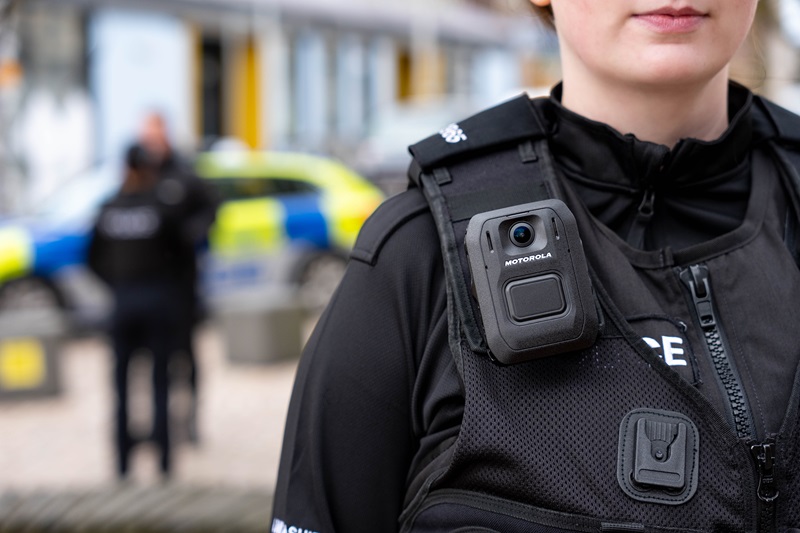
Body worn cameras have become a key part of modern policing across the United States. From large metropolitan police departments to smaller local agencies, these devices are helping build trust, improve transparency, and ensure that both officers and citizens are treated fairly.
With growing public demand for accountability, many law enforcement agencies now rely on wearable surveillance cameras to document real-time interactions. But how exactly do these cameras improve accountability? Let’s break it down in simple terms.
1. How do body worn cameras create transparency in policing?
One of the biggest advantages of using a body worn camera system is the ability to record interactions exactly as they happen. This means there is clear, unbiased evidence of what took place during an incident.
In the US, transparency is critical for maintaining public trust. When citizens know that encounters are being recorded, they feel more confident that procedures are being followed correctly. At the same time, officers are aware that their actions are documented, which encourages professionalism.
For example:
- Traffic stops are recorded in full
- Arrest procedures can be reviewed
- Use-of-force situations are documented
This level of transparency reduces misunderstandings and builds stronger community relationships.
2. Can body cameras reduce complaints against officers?
Yes, studies across various US police departments show a noticeable drop in complaints after implementing body cameras.
When both officers and civilians know they are being recorded:
- Behavior tends to improve on both sides
- False complaints are easier to dismiss
- Genuine concerns can be verified quickly
A law enforcement body camera system ensures that investigations are based on facts, not assumptions. This saves time, resources, and helps departments handle complaints more efficiently.
3. Why is video evidence important in legal cases?
Body camera footage plays a major role in the US justice system. It provides reliable, real-time evidence that can be used in court.
This is especially useful in:
- Criminal trials
- Internal investigations
- Civil lawsuits
Departments using HD body worn cameras can capture clear audio and video, which helps judges and juries understand the full context of a situation. It reduces reliance on witness memory, which can sometimes be inaccurate.
4. Do body cameras improve officer behavior?
Yes, body cameras encourage officers to follow proper procedures at all times. This is often referred to as the “self-awareness effect.”
When officers wear devices like a body camera for patrol officers, they tend to:
- Follow department protocols more closely
- Communicate more respectfully
- Avoid unnecessary escalation
This not only protects citizens but also safeguards officers from false accusations.
5. How do body cameras protect citizens’ rights?
Accountability goes both ways. Body cameras are just as important for protecting civilians as they are for monitoring officers.
In the US, constitutional rights such as freedom from excessive force and unlawful detention are critical. Body camera footage ensures that:
- Rights are respected during interactions
- Misconduct can be identified and addressed
- Citizens have proof if something goes wrong
A body camera system for public safety ensures that law enforcement remains aligned with legal and ethical standards.
6. Can body cameras improve police training?
Absolutely. Recorded footage is a valuable training tool for law enforcement agencies.
Departments can review real-life scenarios to:
- Teach new officers proper techniques
- Identify areas for improvement
- Highlight examples of excellent policing
For instance, footage from a body cam with GPS can show not just what happened, but where and how quickly officers responded. This helps create better training programs and improves overall performance.
7. How does cloud storage enhance accountability?
Modern body camera systems often include cloud-based storage solutions. A body camera system with cloud storage ensures that footage is securely stored and easily accessible when needed.
Benefits include:
- Tamper-proof data storage
- Quick retrieval for investigations
- Secure sharing with legal teams
In the US, where data integrity is essential for legal processes, cloud storage adds an extra layer of reliability and trust.
8. Why are agencies investing in body cameras today?
Many law enforcement agencies are upgrading their equipment and looking to buy body worn camera solutions that offer advanced features like live streaming and GPS tracking.
Modern devices now include:
- Body camera with live streaming for real-time monitoring
- GPS tracking for location accuracy
- High-definition recording for clear evidence
These features help supervisors monitor situations as they unfold, improving decision-making and ensuring accountability in critical moments.
Helpful Tips for Law Enforcement Agencies
If a department is planning to implement or upgrade body cameras, here are some practical tips:
- Choose high-quality devices: Invest in HD body worn cameras for clear footage
- Train officers properly: Ensure everyone understands how and when to use cameras
- Set clear policies: Define guidelines for recording, storage, and access
- Use secure storage systems: Protect data with reliable cloud solutions
- Engage the community: Inform the public about how cameras are used
These steps can help maximize the benefits of body camera programs.
Frequently Asked Questions (FAQs)
What is the main purpose of body worn cameras?
The main purpose is to record interactions between law enforcement officers and the public to ensure transparency and accountability.
Are body cameras mandatory for US police officers?
Requirements vary by state and department, but many agencies across the US now use them as standard equipment.
Do body cameras record all the time?
Not always. Most cameras are activated during specific situations, such as traffic stops or arrests, depending on department policy.
Can the public access body camera footage?
In some cases, yes. Access depends on local laws, ongoing investigations, and privacy considerations.
Are body cameras expensive?
Costs vary, but many agencies consider them a worthwhile investment due to the benefits in accountability and reduced legal risks.
Final Thoughts
Body worn cameras have transformed modern policing in the United States. By increasing transparency, improving behavior, and providing reliable evidence, they play a critical role in building trust between law enforcement and the communities they serve.
From reducing complaints to enhancing training and legal processes, these devices offer real, measurable benefits. As technology continues to evolve, body cameras will likely become even more advanced, further strengthening accountability in law enforcement.
For agencies aiming to improve public safety and maintain trust, investing in the right body camera solutions is no longer optional—it’s essential.