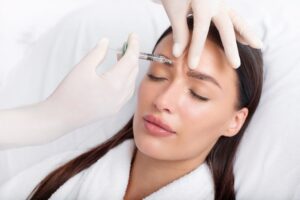
Young woman recieving injection of anti-aging botox filler to forehead from professional cosmetologist in beauty salon
Facial expressions are an important part of how people communicate and naturally contribute to the appearance of the face. Over time, repeated muscle movement can contribute to the development of dynamic lines in areas such as the forehead, between the eyebrows and around the eyes. For people interested in addressing these concerns, anti-wrinkle injections may be considered as a non-surgical aesthetic treatment.
Botox Injections In London are commonly planned according to the individual’s facial anatomy, muscle activity and treatment objectives. Rather than using identical injection points or doses for every person, practitioners can assess how the facial muscles move and develop a treatment plan based on the patient’s specific features.
A personalised approach is important because facial movement and proportions vary significantly from person to person. Understanding how practitioners plan treatment can help patients know what to expect during their consultation and why an individual assessment is an important part of the process.
What Are Botox Injections?
Botox is a brand name associated with botulinum toxin type A, a substance used in aesthetic medicine to temporarily reduce the activity of selected muscles.
When used for aesthetic purposes, injections are administered into specific muscles to reduce their movement. This can soften the appearance of dynamic facial lines that become more noticeable with repeated expressions.
The exact areas treated and the injection approach depend on the patient’s facial anatomy and treatment goals. This makes consultation an important part of deciding how treatment should be planned.
Why Personalised Botox Treatment Matters
Facial anatomy is different for every individual. People can have different muscle strengths, facial proportions, expression patterns and existing lines.
As a result, a standard treatment plan may not be appropriate for everyone. A practitioner can assess the patient’s facial movements and determine which areas may benefit from treatment.
A personalised plan can also help the practitioner consider how different muscles interact. Treating one area can influence the appearance or movement of another, so the overall facial structure should be considered when planning injections.
The Initial Botox Consultation
The consultation is the first stage of personalised Botox in London treatment planning. During this appointment, the practitioner discusses the patient’s concerns and desired outcome.
Patients may explain which facial lines they would like to address or describe changes they have noticed over time.
The practitioner can then examine the face at rest and during different expressions. This allows them to observe how individual muscles contribute to the appearance of lines and folds.
The consultation is also an opportunity to discuss previous aesthetic treatments and relevant medical information.
Assessing Facial Muscle Movement
Muscle movement is one of the most important factors considered before Botox injections.
The practitioner may ask the patient to make different facial expressions, such as raising the eyebrows, frowning or smiling. This allows the practitioner to observe which muscles are particularly active.
The assessment can help identify where injections may be appropriate and how the treatment should be planned.
Because muscle activity differs between individuals, the injection points are not necessarily identical for every patient.
Understanding the Patient’s Treatment Goals
A personalised treatment plan should reflect what the patient actually wants to achieve.
Some people may want to soften the appearance of forehead lines, while others may be more concerned about lines between the eyebrows or around the eyes.
Patients may also prefer a subtle approach that allows their natural expressions to remain noticeable.
Discussing these preferences helps the practitioner understand the desired outcome and determine whether Botox is appropriate for the patient’s goals.
Assessing the Forehead
The forehead is a common area considered for Botox treatment. The practitioner may examine the movement of the forehead muscles when the patient raises their eyebrows.
The pattern of muscle activity can vary from one person to another, which means injection placement should be planned individually.
The practitioner may also assess how the forehead relates to the eyebrows and upper eyelids before deciding on the treatment approach.
Assessing the Area Between the Eyebrows
The area between the eyebrows can develop dynamic lines as a result of repeated frowning and other facial expressions.
During consultation, the practitioner may assess the muscles responsible for these movements and observe how they interact with surrounding structures.
This information can help determine whether Botox may be appropriate and how the treatment should be approached.
Considering Lines Around the Eyes
The muscles around the eyes also contribute to facial expression. Dynamic lines can become visible in this area when smiling or making other expressions.
The practitioner can assess the movement around the eyes and discuss whether this is an area the patient would like to address.
The treatment plan is developed according to the individual’s facial structure, muscle activity and objectives.
Evaluating Facial Symmetry
Facial symmetry is another factor practitioners may consider before administering Botox.
Small differences between the left and right sides of the face are common. The strength and movement of facial muscles may also differ from one side to the other.
By assessing both sides individually, the practitioner can account for these differences when developing an injection plan.
The goal is not necessarily to make both sides identical but to understand the patient’s natural facial characteristics.
Considering Existing Facial Features
A practitioner may also consider facial proportions and existing features when planning treatment.
The forehead, eyebrows, eyes and other areas of the face interact with one another. Changes in muscle activity in one region can influence the overall appearance of the face.
For this reason, the practitioner may assess the face as a whole rather than focusing only on the lines the patient has identified.
Reviewing Previous Aesthetic Treatments
Previous cosmetic treatments can be relevant when planning Botox injections.
Patients may have received Botox or other anti-wrinkle treatments previously, as well as dermal fillers or other aesthetic procedures.
The practitioner may ask when previous treatments were performed and which areas were treated. This information can help them understand the patient’s treatment history and current facial movement.
Patients should provide accurate information about previous procedures during consultation.
Reviewing Medical Information
Relevant medical history is another part of the consultation process.
The practitioner may ask about medications, existing medical conditions, allergies and previous procedures. This information helps the practitioner understand the patient’s individual circumstances.
Patients should provide complete and accurate information and discuss any concerns they have before treatment.
Determining Injection Points
Once the facial assessment has been completed, the practitioner can determine where injections may be placed.
Injection points are selected according to the muscles being treated, the patient’s facial anatomy and the desired outcome.
The number and location of injections can therefore differ between patients.
Rather than following a fixed pattern, personalised injection planning allows the practitioner to adjust treatment according to individual muscle activity and facial proportions.
Considering the Amount of Product Used
The amount of Botox used is another factor that can vary between patients.
The practitioner may consider the strength and size of the muscles, the treatment area and the patient’s desired outcome when determining the appropriate amount.
A personalised approach means the same quantity is not necessarily used for every patient or every treatment area.
The practitioner can explain how the treatment amount has been selected during the consultation.
Discussing Treatment Frequency
Botox treatment is temporary, so patients may want to understand how frequently treatments may be considered.
The timing between appointments can vary depending on the individual, the treatment area and how long the effects remain noticeable.
The practitioner can discuss the expected treatment timeline and explain when a review may be appropriate.
Understanding What Happens During Treatment
Once the treatment plan has been established, the practitioner can explain what the appointment will involve.
Botox is administered through a series of small injections into selected muscles. The exact number of injection points depends on the individual treatment plan.
The practitioner can explain the areas being treated before beginning the procedure, allowing the patient to understand where the injections will be administered.
Aftercare and Follow-Up
Aftercare instructions form part of the overall treatment process. The practitioner can provide guidance about what to do following the injections and when normal activities can be resumed.
A follow-up appointment may also be recommended depending on the treatment plan and clinic protocol.
Patients should follow the specific aftercare instructions provided by their practitioner.
Choosing the Best Botox Clinic London
Choosing a suitable clinic is an important part of the treatment journey. Patients may wish to consider the practitioner’s qualifications, experience, consultation process and approach to personalised treatment planning.
A Best Botox Clinic London should provide patients with an opportunity to discuss their objectives and understand how treatment is planned according to individual facial anatomy.
At Bodyvie Clinic, patients can discuss their aesthetic concerns during a consultation and learn more about available anti-wrinkle treatment options. The consultation allows the practitioner to assess facial movement and develop an approach based on the patient’s individual requirements.
Preparing for Your Botox Consultation
Patients can prepare for a Botox consultation by thinking about the areas they would like to address and the type of outcome they would prefer.
It may be helpful to identify whether you are primarily concerned with forehead lines, frown lines, lines around the eyes or another area.
Patients should also prepare information about previous aesthetic treatments, relevant medical history and medications.
Having questions prepared can help make the consultation more informative and ensure that the patient understands the proposed treatment plan.
Why Personalised Planning Is Important
Botox treatment is not simply about injecting a fixed amount of product into predetermined locations. Facial muscle strength, expression patterns, anatomy and treatment goals can all vary considerably between individuals.
For Botox Injections In London, personalised assessment allows practitioners to consider these differences and develop an injection plan specific to the individual.
This approach can also help patients understand why particular areas may be recommended for treatment and how the proposed plan relates to their facial features.
Conclusion
Botox Injections In London are planned according to several individual factors, including facial muscle activity, facial proportions, symmetry, existing lines and the patient’s desired outcome.
During consultation, practitioners can assess how the facial muscles move and determine suitable injection points and treatment amounts. Previous aesthetic treatments and relevant medical information may also be considered when developing the plan.
Choosing a suitable Best Botox Clinic London and attending a detailed consultation can help patients understand the treatment process and how their plan will be tailored to their facial characteristics. A personalised approach ensures that treatment decisions are based on individual assessment rather than a standard injection pattern.
FAQs
What is Botox in London?
Botox in London refers to aesthetic treatment using botulinum toxin type A to temporarily reduce the activity of selected facial muscles. It may be used to soften the appearance of dynamic facial lines.
What are Botox Injections In London used for?
Botox Injections In London may be used to address dynamic lines associated with facial muscle movement, commonly involving areas such as the forehead, between the eyebrows and around the eyes.
How is Botox treatment personalised?
A practitioner can assess facial muscle movement, facial proportions, symmetry, existing lines and the patient’s desired outcome before deciding on appropriate injection points and treatment amounts.
Why does the practitioner examine facial expressions?
Observing facial expressions helps the practitioner understand which muscles are active and how strongly they move. This information can help guide personalised injection placement.
How are Botox injection points determined?
Injection points are determined according to the muscles being treated, facial anatomy, muscle activity and the patient’s treatment objectives. The pattern can therefore vary from one person to another.
Does everyone receive the same amount of Botox?
No. The amount used can vary depending on factors such as muscle strength, treatment area and individual objectives. The practitioner determines the treatment amount during personalised planning.
What happens during a Botox consultation?
The practitioner discusses the patient’s concerns and desired outcome, assesses facial movement and structure, reviews relevant medical information and previous aesthetic treatments, and explains the proposed treatment plan.
Should I tell my practitioner about previous Botox treatments?
Yes. Information about previous Botox treatments and other aesthetic procedures can help the practitioner understand your treatment history and current facial movement.
How long does a Botox consultation take?
Consultation times can vary depending on the patient’s concerns and the extent of the assessment. The clinic can provide information about the expected appointment duration when booking.
What should I ask during a Botox consultation?
You can ask about the recommended treatment areas, injection points, amount of product, expected timeline, treatment frequency, aftercare and follow-up arrangements.
How do I choose the Best Botox Clinic London?
When looking for the Best Botox Clinic London, consider the practitioner’s qualifications and experience, the consultation process and whether treatment plans are developed according to individual facial anatomy and objectives.
How long do Botox results last?
The duration of visible effects can vary between individuals and treatment areas. During your consultation, the practitioner can explain the expected timeline and when a future treatment may be considered.
Is Botox suitable for everyone?
Suitability depends on individual circumstances, facial anatomy, treatment objectives and relevant medical information. A consultation with a qualified practitioner is necessary before deciding whether Botox treatment is appropriate.