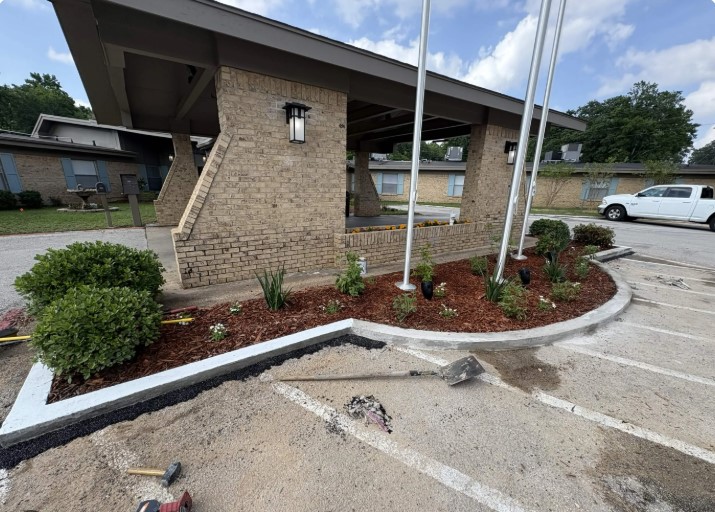
A well-designed outdoor space should be attractive, functional, and built to handle the natural conditions around your property. Sloped yards, soil movement, water runoff, and erosion can make landscaping difficult to maintain, especially when there is not enough structural support. Breaking Ground Outdoor Services helps homeowners create more stable and visually appealing outdoor spaces with professional landscaping and retaining wall solutions designed around the needs of each property.
When a landscape includes uneven ground or noticeable elevation changes, working with a retaining wall contractor in Tyler TX can provide a practical way to improve both stability and usability. A properly planned retaining wall can hold back soil, help manage changes in elevation, reduce erosion, and create more organized areas for planting, patios, walkways, or lawn space.
Understanding the Purpose of Retaining Walls
Retaining walls are more than decorative landscape features. Their primary purpose is to support soil and manage differences in ground elevation. On properties with slopes, soil can gradually move downhill because of gravity and water runoff. Over time, this movement may affect planting areas, walkways, driveways, and other parts of the landscape.
A professionally constructed retaining wall creates a defined structure that helps control this movement. The design needs to account for the height of the wall, soil conditions, drainage, available space, and the overall landscape plan. These details are important because a retaining wall must be designed for the conditions surrounding it rather than simply placed where it looks attractive.
For Tyler homeowners, this type of improvement can also make previously difficult areas more useful. A steep section of a backyard, for example, may be transformed into several manageable levels that can support gardens, seating areas, turf, or other outdoor features.
Creating Better Drainage and Erosion Control
Water management is one of the most important considerations when planning a retaining wall. Water that collects behind a wall can create pressure against the structure, while uncontrolled runoff can contribute to soil erosion around the property.
A retaining wall project should therefore consider where water naturally travels across the landscape. Proper grading and drainage planning can help direct water away from vulnerable areas and reduce unnecessary pressure on the wall. Breaking Ground Outdoor Services emphasizes quality materials and drainage systems as part of its retaining wall approach.
Good drainage planning can also protect surrounding landscaping. Instead of allowing rainwater to wash soil downhill, the landscape can be organized to guide water toward suitable drainage areas. This creates a more controlled outdoor environment and can reduce recurring problems caused by runoff.
Designing a Wall That Fits Your Landscape
A retaining wall should provide structural support without looking out of place. Material selection, color, texture, height, shape, and surrounding plantings can all influence the final appearance.
Some homeowners prefer a natural stone appearance that blends with gardens and existing landscaping. Others may want a clean, modern appearance that complements patios, walkways, or contemporary outdoor living areas. The right choice depends on the style of the property and the purpose of the wall.
Breaking Ground Outdoor Services approaches outdoor projects with attention to both appearance and function. Its retaining wall services are intended to provide structural support while adding dimension and visual appeal to the landscape.
This combination is especially useful when a retaining wall becomes part of a larger landscape improvement. Instead of treating the wall as an isolated structure, homeowners can incorporate it into planting beds, outdoor seating areas, pathways, lighting, or other features.
Making Sloped Yards More Usable
A sloped yard does not always provide enough practical space for everyday outdoor activities. Furniture can be difficult to place, mowing may become inconvenient, and planting areas may experience soil movement.
Retaining walls can divide a slope into more manageable sections. With thoughtful grading and construction, these areas can become useful zones for gardens, lawns, seating, or other landscape features.
This approach can also give the yard a stronger sense of organization. Different levels can create visual depth while defining individual areas for different purposes. A retaining wall may therefore serve both a structural and design function within the overall landscape.
For homeowners considering this type of project, choosing a retaining wall contractor in Tyler TX with an understanding of both landscape design and structural requirements can help ensure that the finished result supports the property rather than creating additional maintenance concerns.
Choosing Appropriate Materials
Material selection should be based on the project requirements as well as the desired appearance. Different retaining wall materials provide different textures, colors, installation methods, and visual styles.
Natural stone can provide an organic appearance, while manufactured retaining wall products can offer consistent shapes and a more structured look. Concrete-based options may also work well for particular designs where clean lines and durability are priorities.
The surrounding landscape should be considered when selecting materials. A wall that coordinates with the home’s exterior, driveway, patio, or existing hardscape can create a more cohesive appearance.
Professional planning is helpful because the material needs to work with the wall’s intended purpose, dimensions, drainage requirements, and site conditions.
Why Professional Planning Matters
Retaining wall construction requires more than choosing materials and stacking them into place. The foundation, grading, drainage, soil conditions, wall design, and construction methods all influence long-term performance.
Before construction begins, the property should be evaluated carefully. The slope, existing drainage patterns, soil movement, nearby structures, and intended use of the space can all affect the final design.
Breaking Ground Outdoor Services provides consultations to discuss project goals, evaluate properties, and determine an appropriate approach. The company also states that project timelines can vary depending on size, complexity, weather, materials, and other planning considerations.
This planning stage gives homeowners an opportunity to understand what the project involves before construction starts. It also helps connect the retaining wall with the broader goals of the landscape.
Combining Retaining Walls With Other Outdoor Improvements
A retaining wall can become the foundation for a larger outdoor transformation. Once a slope has been organized and stabilized, homeowners may have more options for creating patios, planting beds, walkways, turf areas, outdoor kitchens, fireplaces, or other features.
Breaking Ground Outdoor Services lists retaining walls alongside pavers, concrete, pergolas, outdoor kitchens, fireplaces, artificial turf, sod installation, and complete landscape transformations.
Combining services can create a more consistent outdoor design because the different elements can be planned together. Instead of adding features one at a time without a unified layout, homeowners can consider how each part will work with the others.
A Long-Term Investment in Your Outdoor Space
A retaining wall should be viewed as a long-term landscape improvement rather than a temporary solution. Proper design, suitable materials, drainage planning, and careful construction can help create a structure that continues to support the landscape while maintaining its appearance.
The benefits can extend beyond erosion control. A thoughtfully designed wall can define property areas, improve the usability of sloped ground, create attractive planting spaces, and contribute to a more organized outdoor environment.
For homeowners planning a new wall or considering improvements to an existing landscape, discussing the property with a professional can provide useful direction before committing to construction.
Conclusion
A properly designed retaining wall can improve the stability, drainage, appearance, and usability of a residential landscape. From controlling soil movement to creating additional usable outdoor areas, these structures can solve practical challenges while becoming an attractive part of the overall design.
Breaking Ground Outdoor Services focuses on durable retaining wall solutions that combine structural support with landscape appeal. For homeowners searching for a retaining wall contractor in Tyler TX, professional planning can help turn uneven or challenging terrain into a more functional and attractive outdoor space. With careful consideration of materials, drainage, grading, and design, a retaining wall can become a valuable part of a well-planned landscape for years to come.