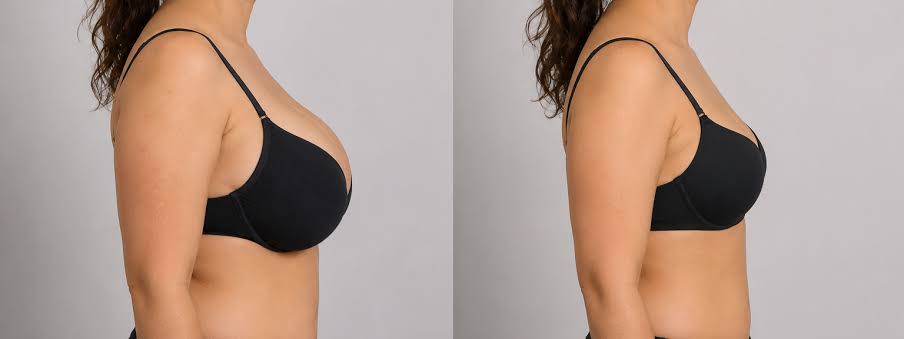
Breast Implants
Breast implants are medical devices used to enhance breast size, improve breast shape, or restore breast volume after changes caused by pregnancy, weight fluctuations, ageing, or other circumstances. Breast implant surgery is one of the most commonly discussed cosmetic procedures, but choosing to undergo surgery requires careful consideration of implant type, placement, expected results, recovery, and potential risks.
Whether someone is considering breast augmentation for cosmetic reasons or breast reconstruction following breast surgery, understanding the procedure can help them make a more informed decision.
What Are Breast Implants?
Breast implants are prosthetic devices placed inside the breast to increase volume and alter its shape. They generally consist of an outer silicone shell filled with either saline solution or silicone gel.
The choice between different implants depends on several factors, including the patient’s anatomy, desired appearance, existing breast tissue, lifestyle, and the surgeon’s recommendations.
Breast implants are available in different sizes, shapes, profiles, and surface textures. Modern implants are designed to provide a range of aesthetic outcomes, from a subtle enhancement to a more noticeable increase in breast volume.
It is important to understand that an implant is not selected based solely on its volume. Chest width, breast tissue, skin elasticity, body proportions, and the position of the breast all influence the final result.
Why Do People Choose Breast Implants?
People consider breast augmentation for many different reasons. Some may naturally have smaller breasts and want greater volume, while others may experience changes after pregnancy, breastfeeding, significant weight loss, or ageing.
Common reasons for considering breast implants include:
- Increasing breast volume
- Improving breast symmetry
- Restoring lost breast fullness
- Creating better body proportions
- Addressing changes after pregnancy or weight loss
- Reconstructing the breast following certain medical treatments
Breast augmentation is a personal decision, and realistic expectations are important. The goal should generally be improvement rather than achieving a particular appearance seen in photographs or on social media.
Types of Breast Implants
Two major categories of breast implants are saline implants and silicone gel implants.
Silicone Gel Implants
Silicone implants contain cohesive silicone gel within the shell. Many patients choose them because the gel can provide a more natural look and feel.
They are available in different shapes and profiles, allowing surgeons to select an implant based on the patient’s anatomy and aesthetic goals.
Saline Implants
Saline implants are filled with sterile salt water. They are inserted into the breast and then filled to the desired volume.
One potential advantage is that a saline implant can sometimes be inserted through a smaller incision because the shell can be placed before filling. However, the choice between saline and silicone should be based on individual circumstances and professional medical advice.
How Are Breast Implants Selected?
Selecting the appropriate implant involves more than deciding on a cup size. During a consultation, the surgeon typically considers breast width, existing tissue, skin quality, chest structure, and the amount of volume the patient wants.
Implant profile is another important consideration. A higher-profile implant can provide more projection, while another profile may create a broader and more subtle appearance.
The surgeon may also discuss different implant shapes. Round implants are commonly used for augmentation, while anatomical or teardrop-shaped implants are designed to have a more contoured profile.
Patients should communicate their desired outcome clearly but should also understand that the surgeon will need to work within the limits of their natural anatomy.
What Happens During Breast Implant Surgery?
Breast augmentation is generally performed under anaesthesia. The surgeon makes an incision and creates a pocket where the implant will be positioned.
The implant may be placed:
- Above the chest muscle
- Partially beneath the chest muscle
- In another tissue plane depending on the individual’s anatomy and surgical plan
The incision location can vary. Common approaches include an incision beneath the breast, around the edge of the areola, or in the armpit.
Once the implant has been positioned correctly, the surgeon closes the incision carefully. The entire procedure can take different amounts of time depending on whether additional procedures are being performed.
For example, some patients may benefit from a breast lift alongside augmentation if they have significant skin laxity or breast drooping. Combining procedures can change both the surgical approach and recovery.
Breast Implants and Breast Asymmetry
Perfectly symmetrical breasts are uncommon. Many people naturally have differences in breast size, shape, nipple position, or chest structure.
Breast augmentation can sometimes improve noticeable asymmetry. However, implants cannot always make both breasts identical.
In some cases, surgeons may use implants of different sizes or combine augmentation with another procedure to achieve greater balance.
A detailed consultation is therefore particularly important when asymmetry is one of the primary reasons for considering surgery.
Recovery After Breast Implant Surgery
Recovery varies between individuals and depends on the surgical technique, implant placement, and whether additional procedures were performed.
Immediately after surgery, patients may experience swelling, tightness, bruising, and discomfort around the breasts. These symptoms generally improve gradually.
Patients are usually given postoperative instructions regarding wound care, physical activity, medications, and follow-up appointments.
Light daily activities may be possible relatively soon, but strenuous exercise and heavy lifting generally need to be avoided for a period recommended by the surgeon.
Wearing a supportive surgical or recovery bra may also be recommended. Patients should follow their surgeon’s instructions rather than comparing their recovery timeline with someone else’s experience.
The breasts can initially appear higher, firmer, or different from the expected final result. As swelling decreases and the tissues settle, the appearance can change.
Potential Risks and Complications
Like any surgical procedure, breast augmentation has potential risks. Understanding these risks is an important part of informed decision-making.
Possible complications include:
- Infection
- Bleeding
- Changes in nipple or breast sensation
- Scarring
- Implant displacement
- Breast asymmetry
- Capsular contracture
- Implant rupture or leakage
- Changes in breast appearance over time
Capsular contracture occurs when scar tissue surrounding an implant becomes unusually firm or tight. Depending on its severity, it may cause discomfort or alter the appearance of the breast.
Implants can also require additional surgery in the future. They are not considered lifetime devices, and patients should discuss long-term monitoring and potential replacement with their surgeon.
Can Breast Implants Rupture?
Although modern implants are designed to be durable, rupture can occur.
With saline implants, the body generally absorbs the saline solution, and the breast may lose volume relatively quickly. Silicone implant rupture can sometimes be less obvious because cohesive silicone gel may remain within the implant or surrounding capsule.
If there is concern about implant damage, a medical evaluation may be recommended. Imaging such as ultrasound or MRI may be used when clinically appropriate.
Regular follow-up can help identify changes that require further assessment.
Breast Implants After Pregnancy
Pregnancy and breastfeeding can change the breasts regardless of whether implants are present. Changes in breast volume, skin elasticity, and breast position may affect the appearance achieved through augmentation.
Some patients may experience satisfactory results after pregnancy, while others may develop sagging or changes in volume that lead them to consider additional surgery.
Women planning future pregnancies may therefore wish to discuss their plans with their surgeon before undergoing breast augmentation.
Are Breast Implants Safe?
Breast implants have been extensively studied and are regulated medical devices, but no surgical implant is completely risk-free.
Safety depends on appropriate patient selection, qualified surgical care, suitable implants, sterile surgical conditions, and proper postoperative monitoring.
Patients should ask their surgeon about the specific implant being recommended, its characteristics, expected longevity, follow-up requirements, and potential complications.
It is also important to disclose relevant medical history, previous breast procedures, medications, allergies, and any concerns during the consultation.
How Long Do Breast Implants Last?
There is no fixed expiration date that applies to every implant. Some implants remain in place for many years without problems, while others may require replacement or removal because of complications or changes in the patient’s preferences.
Patients should not assume that an implant must automatically be replaced after a specific number of years. Instead, ongoing clinical assessment and appropriate imaging should guide decisions.
Changes such as persistent pain, swelling, sudden changes in breast size, firmness, or noticeable changes in shape should be evaluated by a qualified healthcare professional.
Choosing a Breast Implant Surgeon
Choosing the right surgeon is one of the most important decisions when considering breast augmentation.
Patients should look for an appropriately qualified and experienced plastic surgeon who performs breast procedures regularly. During consultations, it can be helpful to ask about the surgeon’s experience, surgical techniques, implant options, possible complications, recovery expectations, and follow-up care.
Patients should also feel comfortable discussing their aesthetic goals and asking questions. A good consultation should involve an honest discussion about what is realistically achievable based on the individual’s anatomy.
Final Thoughts
Breast implants can provide increased breast volume and help improve proportions or restore fullness following physical changes. However, successful augmentation involves more than selecting an implant size. Implant type, shape, profile, placement, surgical technique, recovery, and long-term monitoring all contribute to the overall experience and outcome.
Anyone considering breast implants should have a thorough consultation with a qualified plastic surgeon before making a decision. Understanding the benefits, limitations, risks, and long-term considerations can help patients approach breast augmentation with realistic expectations and greater confidence.