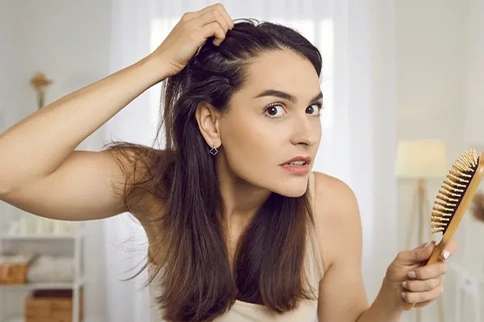
Thinning hair can gradually affect the appearance, volume, and overall confidence of an individual. Whether the hair is becoming less dense around the crown, the hairline is receding, or the scalp is becoming more visible, noticing these changes can be concerning. Many people explore Hair Loss Treatment in Dubai to understand how they can improve hair density, support healthier growth, and address the factors contributing to excessive shedding. The good news is that thinning hair does not always mean permanent hair loss. With the right approach, it may be possible to slow down hair thinning, strengthen existing strands, and encourage healthier hair growth.
Understanding Why Hair Becomes Thin
Hair thinning is a gradual process that can develop for several reasons. Some individuals experience reduced hair density because of genetic factors, while others notice changes due to hormonal fluctuations, nutritional deficiencies, stress, or changes in their overall health.
The natural hair growth cycle also plays an important role. Every strand passes through different stages of growth, transition, and resting before eventually shedding. When this cycle becomes disrupted, more hairs may enter the shedding phase, resulting in noticeable thinning.
Other contributing factors include:
-
Genetic predisposition: Family history can influence hair density and susceptibility to pattern hair loss.
-
Hormonal changes: Changes in hormone levels may affect the hair follicles and growth cycle.
-
Nutritional deficiencies: Inadequate intake of essential nutrients can affect healthy hair development.
-
Physical or emotional stress: Significant stress may trigger temporary excessive shedding.
-
Scalp conditions: Inflammation and certain scalp disorders can interfere with normal hair growth.
-
Hair styling practices: Frequent heat styling, tight hairstyles, and chemical treatments can contribute to breakage.
Understanding the underlying reason is essential because different causes of thinning hair may require different treatment approaches.
Can Hair Loss Treatment Help With Thinning Hair?
Yes, appropriate treatment can help many individuals experiencing thinning hair. However, the results depend on the cause, severity, and condition of the hair follicles.
Some approaches focus on reducing excessive shedding, while others aim to stimulate follicular activity, improve scalp health, or support the strength of existing hair. When the follicles remain active, there may be opportunities to improve hair density and encourage new growth.
For individuals experiencing early-stage thinning, addressing the problem promptly may help preserve existing hair. However, completely inactive or permanently damaged follicles may be less responsive to certain treatments.
A professional assessment helps determine which options are suitable and what improvements can realistically be expected.
Different Approaches That May Support Hair Growth
There are several approaches available for managing thinning hair. The most appropriate option depends on individual concerns, medical history, and the condition of the scalp.
Topical Hair Growth Solutions
Topical solutions are commonly explored by individuals experiencing gradual hair thinning. Certain clinically established formulations can help support hair growth by influencing the hair growth cycle and extending the active growth phase.
These products may be useful for specific types of hair loss, but consistency is important. Results generally develop gradually, and discontinuing an effective treatment may lead to a return of previous thinning.
Platelet-Rich Plasma Therapy
Platelet-rich plasma (PRP) therapy is another approach explored for individuals experiencing reduced hair density. It involves collecting a small blood sample, processing it to concentrate platelets, and administering the prepared plasma into selected areas of the scalp.
Platelets contain growth factors that participate in the body’s natural tissue repair processes. PRP therapy aims to support the scalp environment and encourage follicular activity.
Although some individuals experience improvements in hair density and thickness, results can vary, and further research is needed to establish its effectiveness across different types of hair loss.
Hair Growth Support Treatments
Certain professional treatments focus on improving scalp conditions and supporting healthier hair growth. Depending on the individual’s needs, these approaches may include specialised scalp therapies and clinically guided treatment protocols.
The objective is to create a healthier environment for existing follicles while addressing factors that may contribute to hair weakness and excessive shedding.
Nutritional Support
Healthy hair development depends on adequate nutrition. Protein, iron, zinc, vitamin D, and other essential nutrients contribute to normal hair growth and follicular function.
When thinning is associated with a nutritional deficiency, correcting the deficiency may help restore healthier growth patterns. However, supplements should not be used unnecessarily, as excessive intake of certain nutrients can also cause problems.
How to Know Which Treatment Is Right for Your Hair?
Choosing an appropriate approach requires understanding the pattern and cause of hair thinning. A treatment that works for one individual may not produce similar results for someone experiencing a different type of hair loss.
A professional evaluation may include an examination of the scalp, assessment of hair density, review of medical history, and discussion of lifestyle factors. Blood investigations may also be recommended when nutritional deficiencies, thyroid conditions, or hormonal concerns are suspected.
The assessment helps establish whether the thinning is temporary, progressive, or associated with an underlying scalp condition.
A personalised plan can then focus on the most relevant concerns instead of relying on general hair growth products or unsuitable procedures.
How Long Does It Take to See Improvements?
Hair growth is a gradual biological process, so improvements rarely happen overnight. Individuals exploring treatment options should understand that visible changes may take several months.
The timeline depends on the treatment method, the cause of thinning, and the responsiveness of the hair follicles.
Some individuals may first notice reduced shedding, while others may observe improvements in hair texture, thickness, or density over time.
Consistency is particularly important when following a recommended treatment plan. Regular evaluations can help assess progress and determine whether adjustments are necessary.
It is also important to maintain realistic expectations. Not every treatment can restore the original hair density, particularly when follicular damage is advanced.
Can Early Treatment Prevent Further Hair Thinning?
Addressing hair thinning early can be beneficial, especially when the underlying cause is treatable. Early intervention may help preserve existing follicles, manage excessive shedding, and reduce the progression of certain types of hair loss.
For example, individuals experiencing hereditary hair thinning may benefit from appropriate evidence-based treatments that help maintain existing hair. Similarly, people experiencing temporary shedding may see improvements once the triggering factor is identified and addressed.
Waiting until significant hair loss develops can make management more challenging. Paying attention to early changes, such as a widening parting, reduced ponytail thickness, or increased scalp visibility, can help individuals seek appropriate guidance sooner.
Everyday Habits That Support Healthier Hair
Professional treatments can play an important role in managing thinning hair, but everyday habits also contribute to maintaining healthy strands.
A balanced diet, gentle hair care, and a healthy scalp environment can support overall hair condition.
Some useful habits include:
-
Eat a balanced diet containing sufficient protein and essential nutrients.
-
Avoid hairstyles that place excessive tension on the hair roots.
-
Reduce frequent exposure to high heat and harsh chemical treatments.
-
Use gentle hair care products suitable for the scalp.
-
Manage stress through healthy lifestyle practices.
-
Avoid unnecessary supplements without identifying a nutritional need.
-
Seek professional advice when hair shedding becomes persistent or unusual.
These habits cannot reverse every type of hair loss, but they can help minimise preventable hair damage and support healthier hair maintenance.
When Should You Seek Professional Guidance?
Occasional hair shedding is normal, but sudden, excessive, or persistent hair loss deserves attention. Individuals should consider professional evaluation if they notice rapidly decreasing hair density, visible bald patches, scalp irritation, or thinning accompanied by other unexplained symptoms.
Early assessment can help identify possible underlying conditions and prevent inappropriate self-treatment.
It is particularly important to seek guidance when hair loss occurs suddenly or is associated with redness, scaling, pain, or inflammation of the scalp.
Understanding the cause makes it easier to select an appropriate approach and establish realistic expectations for improvement.
Book Us
Thinning hair can be challenging, but exploring suitable solutions can help individuals take a more informed approach towards healthier-looking hair. Enfield Royal Clinic Dubai offers professional aesthetic and hair-related care designed around individual concerns and treatment goals. Those experiencing reduced hair density can explore personalised options through a professional consultation and learn more about suitable Hair loss treatment approaches. Choosing an informed treatment plan can be an important step towards supporting stronger, healthier-looking hair and improving confidence in everyday life.