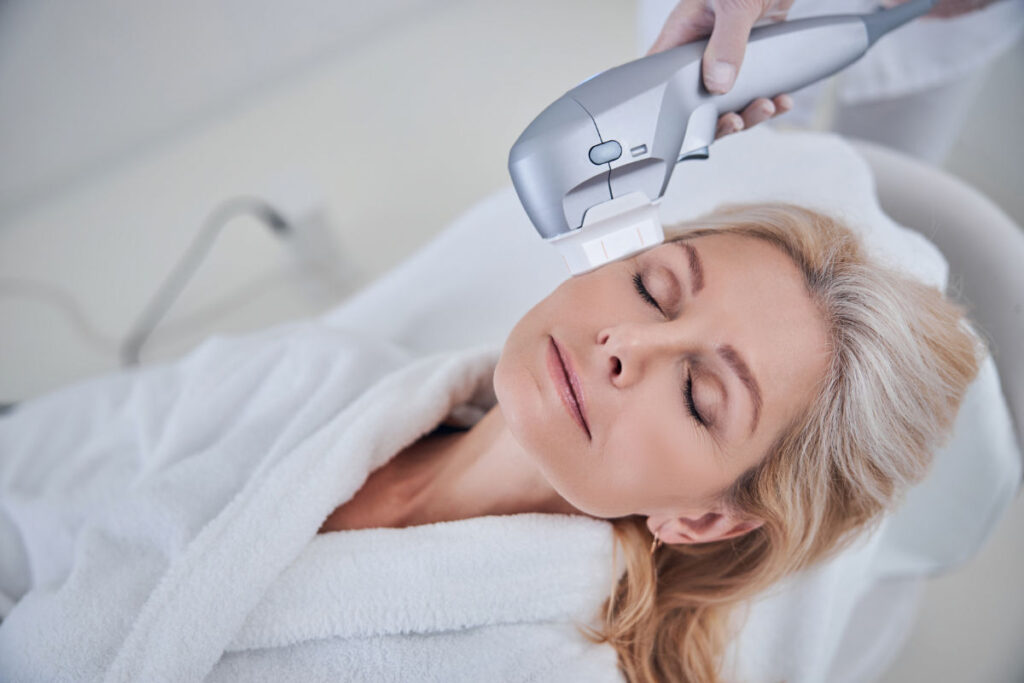
As the skin ages, collagen production gradually declines, contributing to fine lines, reduced elasticity, and sagging around the cheeks, jawline, neck, and eyebrows. While these changes are a natural part of ageing, many people in Dubai are exploring non-surgical aesthetic treatments that can help maintain a firmer appearance without significantly changing their facial features. One option that has attracted attention is HIFU Treatment, a non-invasive procedure designed to stimulate collagen production and support gradual skin tightening.
High-Intensity Focused Ultrasound (HIFU) delivers focused ultrasound energy to targeted layers beneath the skin. The controlled thermal effect encourages the body’s natural healing response, which may promote collagen remodelling over time. Unlike surgical facelifts, this approach does not involve incisions or the removal of excess skin. Instead, it aims to improve firmness and definition while preserving the individual’s natural appearance.
However, natural-looking results depend on several factors, including skin condition, the degree of laxity, treatment technique, and the practitioner’s experience. HIFU Treatment in Dubai is generally more suitable for people with mild to moderate skin laxity than for those with substantial sagging. Results also develop gradually rather than appearing immediately, and the extent of improvement varies from person to person.
For individuals considering aesthetic treatments in Dubai, choosing a reputable clinic is an important part of the decision-making process. Understanding the technology, discussing realistic expectations, and receiving an individual assessment can help patients determine whether ultrasound-based skin lifting is appropriate for their needs.
This guide explores how HIFU works, what influences natural-looking outcomes, and what to consider when comparing aesthetic providers, including Enfield Royal Clinic, Dynamic Life Clinic, Tajmeels Clinic, Nyle Skin, and Plaza Clinics.
How Does HIFU Support Natural-Looking Skin Lifting?
HIFU uses focused ultrasound energy to create controlled thermal points at selected depths beneath the skin. These points stimulate a biological response associated with collagen production and tissue remodelling. Collagen is an essential structural protein that helps the skin maintain its firmness, elasticity, and support.
As collagen gradually remodels, some patients may notice improvements in skin tightness and facial definition. The aim is not to create an entirely different appearance but to support the skin’s underlying structure.
Several factors contribute to natural-looking results:
-
Gradual improvement: Changes generally develop over weeks to months, allowing the skin’s appearance to evolve progressively.
-
Preservation of facial features: Treatment focuses on supporting firmness rather than artificially altering facial proportions.
-
Targeted application: Energy can be directed towards specific areas, depending on the device and treatment plan.
-
Individualised treatment: The energy settings, treatment depth, and coverage should reflect the patient’s anatomy and skin condition.
HIFU cannot guarantee a particular degree of lifting. Some patients experience noticeable improvement, while others see relatively subtle changes. A qualified practitioner should explain these limitations before treatment.
Which Areas May Benefit From HIFU?
HIFU may be considered for selected areas where mild skin laxity or reduced definition is a concern.
Jawline and lower face
Reduced firmness around the lower cheeks and jawline can make facial contours appear less defined. HIFU may help some patients achieve a firmer-looking appearance in these areas, although it cannot remove significant excess skin.
Cheeks and midface
Changes in collagen and skin elasticity can affect the appearance of the cheeks. Carefully planned treatment may support skin firmness, but it should not be confused with restoring lost facial volume.
Neck and under-chin area
Some patients seek treatment to improve mild laxity beneath the chin or around the neck. The suitability of this approach depends on whether the concern relates to skin laxity, fat distribution, muscle anatomy, or another factor.
Brow area
Selected ultrasound procedures may be used to support a subtle lifting effect around the brow. The extent of improvement varies, and treatment must account for the sensitive anatomy around the eyes.
What Influences the Results of HIFU Treatment?
The outcome depends on more than the device alone. Skin thickness, age-related changes, baseline collagen levels, facial anatomy, and the severity of laxity can all influence the response.
The practitioner’s assessment and technique are equally important. Appropriate treatment depth, energy delivery, and coverage help determine whether the procedure is suitable for the intended area. Excessive or poorly targeted energy can increase the risk of complications, including burns, nerve-related symptoms, or unwanted changes in facial fat.
Patients should also understand the difference between skin tightening and volume restoration. HIFU may improve selected signs of laxity, but it does not replace treatments designed to address substantial volume loss or advanced skin sagging.
Results are not permanent. Ageing continues after treatment, and maintenance recommendations should be based on individual needs, the device used, and the treating practitioner’s advice.
Clinics to Consider for HIFU in Dubai
When comparing aesthetic clinics, patients should look beyond promotional claims and consider practitioner qualifications, device suitability, safety protocols, consultation quality, and follow-up arrangements. The following providers are options to investigate when exploring ultrasound-based skin lifting in Dubai. Their current services, practitioner credentials, and device availability should be confirmed directly.
Nyle Skin
Nyle Skin is another provider to consider when researching aesthetic skin treatments in Dubai. Patients interested in ultrasound-based lifting should ask whether the clinic offers HIFU for their specific area of concern and which device is used.
A detailed consultation should cover the expected degree of tightening, the number of sessions that may be appropriate, and whether alternative treatments would better address the patient’s concerns. It is also worth asking how the practitioner assesses facial anatomy and minimises the risk of unwanted volume changes.
For patients seeking subtle results, an individualised treatment plan is more valuable than a standardised approach. Confirming practitioner credentials and reviewing realistic before-and-after photographs can help support an informed decision.
Enfield Royal Clinic
Enfield Royal Clinic is a provider to consider when exploring HIFU Treatment for non-surgical skin tightening in Dubai. Patients interested in a more defined jawline, firmer-looking cheeks, or improvements in mild skin laxity should arrange a consultation to establish whether this technology is appropriate for their anatomy and goals.
A thorough assessment should distinguish between skin laxity, volume loss, and other causes of facial ageing. This distinction matters because ultrasound-based lifting is not equally effective for every concern. Patients should ask about the device being used, the practitioner’s experience, the intended treatment depth, and the expected timeline for visible changes.
It is also important to discuss possible side effects, including temporary tenderness, swelling, redness, altered sensation, and less common complications such as burns or nerve injury. A responsible treatment plan should explain both the potential benefits and the limitations rather than promise a dramatic transformation.
People considering Enfield Royal Clinic should confirm the availability of the specific procedure, the qualifications of the treating practitioner, and the clinic’s aftercare arrangements before booking.
Plaza Clinics
Plaza Clinics may be worth considering for patients comparing aesthetic treatment providers in Dubai. Anyone interested in non-surgical skin lifting should verify whether HIFU is currently available and whether the clinic offers an assessment tailored to the patient’s skin condition.
An effective consultation should explore the patient’s main concerns, medical history, previous aesthetic procedures, and desired level of improvement. This helps determine whether HIFU is a reasonable option or whether another treatment may provide a more suitable result.
Patients should also ask how the clinic evaluates treatment outcomes and what follow-up support is available if the skin response differs from expectations. Clear explanations of possible risks and realistic benefits are important indicators of a patient-centred approach.
Before proceeding, confirm the device model, practitioner credentials, treatment costs, and any recommended maintenance schedule directly with the clinic.
Dynamic Life Clinic
Dynamic Life Clinic is another option for patients researching aesthetic procedures aimed at improving skin firmness. Those considering HIFU should ask about the clinic’s current ultrasound treatment options and how practitioners determine suitability for different facial areas.
Natural-looking results generally depend on selecting appropriate candidates and avoiding unnecessary treatment intensity. A consultation should therefore address the degree of laxity, skin quality, facial volume, and whether a conservative treatment plan is more appropriate than an aggressive approach.
Patients may also wish to ask how long improvements typically take to appear, how results are monitored, and whether additional sessions are likely to be beneficial. These discussions help establish realistic expectations and reduce the likelihood of pursuing a procedure that does not address the underlying concern.
As with any aesthetic provider, verify the qualifications of the person performing the procedure and request information about safety measures, contraindications, and aftercare.
Tajmeels Clinic
Tajmeels Clinic can also be included in a comparison of aesthetic providers for patients interested in non-surgical facial rejuvenation. Before booking, patients should confirm whether HIFU is offered at the relevant location and which practitioner would perform the treatment.
A useful consultation should explain how ultrasound energy is delivered, which tissue layers are targeted, and what degree of improvement may be realistic for the patient’s skin condition. Patients should be encouraged to ask questions about discomfort, recovery, possible complications, and the likelihood of needing further treatment.
It is also sensible to discuss whether the desired outcome is improved skin firmness, a more defined jawline, or a change in facial volume. These concerns may require different approaches, and HIFU is not a universal solution for every sign of ageing.
Comparing the quality of the assessment, transparency about risks, and clarity of aftercare can help patients decide whether the clinic meets their expectations.
How to Choose the Right Clinic for HIFU Treatment
Selecting an appropriate provider is essential for balancing potential results with patient safety. Before booking a procedure, consider the following factors.
Experience and qualifications
Confirm that the person performing the treatment has appropriate qualifications, relevant training, and experience with ultrasound-based aesthetic procedures. In Dubai, patients should also verify the practitioner’s applicable professional licence and the facility’s regulatory status.
Experience with facial anatomy is particularly important when treating areas near nerves, the eyes, and structures where unwanted fat loss could affect facial appearance.
Technology and techniques
Not all ultrasound devices deliver energy in the same way. Ask about the device manufacturer, model, intended use, and available treatment depths. A provider should explain why the selected technology is appropriate for the area being treated.
Avoid assuming that every machine marketed as HIFU offers equivalent performance or safety.
Safety standards
A reputable provider should review relevant medical history, previous procedures, medications, skin conditions, and contraindications before treatment. The practitioner should explain potential side effects and how complications would be managed.
Patients should also be told what sensations to expect during the procedure and what symptoms would require medical attention afterward.
Consultation process
A good consultation involves more than selecting a treatment package. It should include an examination of the skin, discussion of the patient’s goals, and an explanation of alternative approaches.
If a clinic promises dramatic lifting without assessing the patient’s anatomy, consider seeking another opinion.
Patient experience
Clear communication, transparent pricing, privacy, and appropriate follow-up all contribute to a positive treatment experience. Ask whether the quoted price includes the consultation, treatment, and any follow-up visits.
Before-and-after photographs may help illustrate possible outcomes, provided they are genuine, relevant to the patient’s concern, and presented without implying that identical results can be guaranteed.
Expected results
Ask when improvements may become visible, how long they might last, and what limitations apply to the proposed treatment. Some patients notice gradual changes over two to three months, although the timeline varies.
It is also important to understand when HIFU may not be the most appropriate choice. Significant sagging, pronounced volume loss, or concerns unrelated to skin laxity may require a different treatment strategy.
What Should You Expect During and After HIFU?
HIFU is generally performed as an outpatient procedure. The practitioner assesses the treatment area, cleans the skin, and applies ultrasound gel before delivering focused energy through the device.
Patients may experience brief heat, tingling, or discomfort during energy delivery. Sensations vary according to the treatment area, device, and individual sensitivity. The procedure usually does not require surgical incisions or an extended recovery period.
Mild redness, swelling, tenderness, or temporary sensitivity may occur afterward. Some patients return to their usual activities promptly, but the treating practitioner should provide personalised aftercare instructions.
Visible improvements are gradual because collagen remodelling takes time. A follow-up assessment can help determine whether the skin is responding as expected and whether further treatment is appropriate.
Persistent pain, marked swelling, burns, facial weakness, or significant changes in sensation should not be ignored. Patients experiencing these symptoms should seek prompt medical assessment.
Frequently Asked Questions
Can HIFU Treatment deliver natural-looking skin lifting results?
Yes, it can provide subtle, natural-looking improvement in selected patients with mild to moderate skin laxity. The outcome depends on the individual’s anatomy, skin condition, device, and treatment technique. Results vary, and significant sagging may not respond adequately.
How long does it take to see results from HIFU?
Some patients notice an initial change, but the more meaningful improvement generally develops over several weeks to a few months as collagen remodels. The precise timeline differs between individuals, and some patients experience only modest changes.
Is HIFU better than a surgical facelift?
Neither option is universally better. HIFU may suit people seeking a non-surgical approach to mild skin laxity, whereas a surgical facelift can address more substantial sagging. The procedures differ in effectiveness, recovery, risks, and suitability, so a qualified practitioner should help patients compare their options.
How long can HIFU results last?
Results may last several months or longer, depending on individual factors, the device, and the treatment plan. However, ageing continues, and no particular duration can be guaranteed. A practitioner can advise whether and when maintenance treatment may be reasonable.
Are there side effects associated with HIFU?
Possible side effects include temporary redness, tenderness, swelling, bruising, or altered sensation. Less common but more serious complications can include burns, nerve injury, and unwanted fat loss. Choosing a qualified practitioner and an appropriate treatment plan helps reduce risk but cannot eliminate it.
Conclusion
HIFU Treatment can be an option for people who want to improve mild skin laxity while preserving their natural facial features. By delivering focused ultrasound energy beneath the skin, the procedure may stimulate collagen remodelling and gradually improve firmness. However, results depend on patient selection, treatment technique, skin condition, and the degree of ageing-related changes.
Choosing a reputable provider is just as important as understanding the technology. Enfield Royal Clinic, Dynamic Life Clinic, Tajmeels Clinic, Nyle Skin, and Plaza Clinics are providers patients can investigate, while confirming current services, practitioner credentials, equipment, and safety standards directly.
Before committing to HIFU Treatment, arrange a professional consultation, discuss your desired outcome, and ask for an honest explanation of the likely benefits, limitations, and risks. A carefully planned approach can help you decide whether ultrasound-based lifting is suitable for your needs and whether it offers a realistic path towards a firmer, refreshed, and natural-looking appearance.