Manufacturing has changed a lot in the last decade. Everything’s smaller, more complex, and way less forgiving than before. Somewhere in the middle of all that, Swiss screw machining has quietly become one of those processes people lean on when things get serious with precision. Not because it’s trendy or anything, but because it actually holds up when tolerances start getting painfully tight. Let’s be real—most shops can machine parts. That’s not the hard part anymore. The real problem is doing it repeatedly, at scale, without drifting out of spec. And that’s where things start to get interesting.
Tight Tolerances Are Not Just a Spec Sheet Problem
Tight tolerances sound simple on paper. A number is a number, right? But in the real world, holding those numbers across hundreds or thousands of parts is where manufacturers start sweating. Heat, vibration, tool wear… it all adds up. Even a tiny shift can turn a good batch into scrap if nobody catches it early. And the tolerance requirements keep shrinking, especially in aerospace, medical, and high-end electronics. There’s just no room for “close enough” anymore.
How Swiss Screw Machining Actually Changes the Game
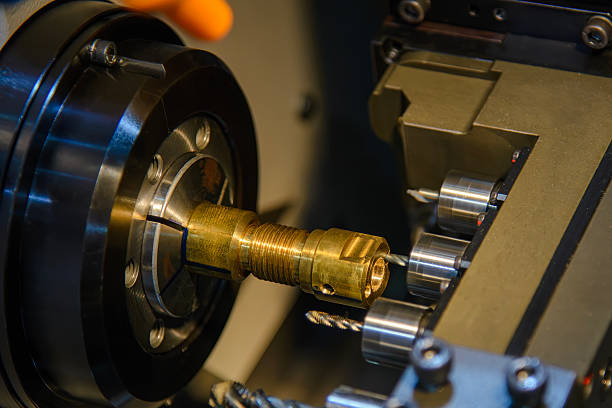
Here’s the short version. Swiss-style machines support the workpiece right next to the cutting tool. That sounds minor, but it changes everything. Instead of a long, unsupported bar whipping around, the material is guided tightly through a sliding headstock and bushing. That stability is the whole point. Less deflection means more consistent cuts. And consistency is basically the backbone of holding tight tolerances. It’s not magic. It’s just physics being used properly.
Where Precision Starts Getting Real
People sometimes assume the machine alone guarantees accuracy. Not really. It’s a mix of setup, tooling, and process control. With Swiss screw machining, you’re reducing variables from the start. Less chatter, less vibration, fewer unpredictable movements. That gives you a stable base to actually dial in micron-level accuracy if needed. But here’s the catch—operators still matter. Programming, setup alignment, tool condition… if any of that slips, tolerances slip too. The machine helps, but it doesn’t babysit the process.
Tooling, Material, and Small Decisions That Matter
This is where things get a bit underrated. The cutting tools and material selection play a bigger role than most people admit. Harder alloys behave differently under stress. Softer materials can deform if the feed rate isn’t right. And tooling wear? That sneaks up quietly. You don’t always see it until parts start drifting out of spec. A good setup in Swiss machining accounts for that early. It’s not just about running the job—it’s about anticipating how the material is going to react halfway through a long production run.
Role of a Turned Parts Manufacturer in Tight Tolerance Work
Now, when you talk about consistency at scale, a turned parts manufacturer becomes a big part of the conversation. Not every shop is built for this kind of work. A properly turned parts manufacturer doesn’t just “make parts.” They control repeatability like it’s the main job, because honestly, it is. When tolerances get tight, you don’t win by accident. You win by having systems that don’t drift when things get busy. Swiss screw machining fits right into that mindset. It allows these manufacturers to produce long runs of complex parts without constantly resetting expectations every few hours. That stability is what makes them valuable in industries where failure isn’t an option.
Quality Control Isn’t a Final Step Anymore
A lot of people still think inspection happens at the end. That’s outdated thinking. In tight-tolerance environments, quality control runs alongside production. Measurements happen during the process, not just after it. If something starts shifting, it gets corrected immediately. Swiss machines actually make this easier because the output is more predictable. You’re not chasing wild variation all day. You’re monitoring small, manageable changes instead of full-blown deviations. It’s a calmer workflow, even if the work itself is still demanding.
Where This Precision Actually Gets Used
You see the results of Swiss machining in places people don’t always think about. Medical devices, aerospace components, fuel systems, even tiny connectors inside electronics. These parts aren’t large, but they’re critical. A fraction of a millimeter off, and the whole system can fail or underperform. That’s why manufacturers stick with processes that can actually hold those tight specs without constant firefighting. And once you’ve worked in that space, you don’t really go back to looser methods unless you have to.
Conclusion – So, Can It Really Meet Tighter Tolerances?
The honest answer is yes, but with a bit of nuance. Swiss screw machining gives manufacturers a real advantage when tolerances start getting extreme, mostly because it removes instability from the equation. But it doesn’t replace skill, setup discipline, or process control. Those still matter a lot, especially for any turned parts manufacturer. The short version? It’s not just the machine—it’s the whole system around it. When everything is aligned, though, this method makes tight tolerances not just possible, but repeatable. And in manufacturing, repeatability is everything.