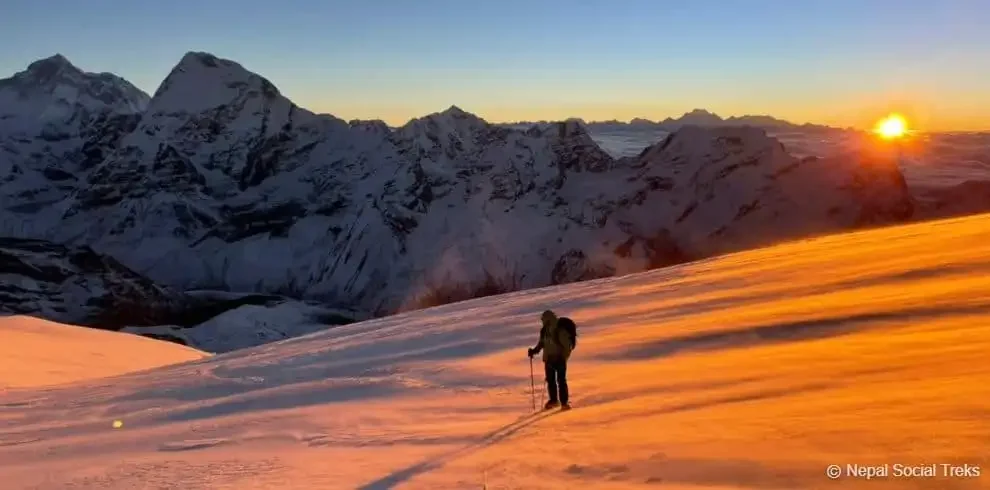
The sun rises over a sea of snow-covered mountains. The trail is quiet, and the only sound is your footsteps on the rocky path. For many adventurers, the dream of Climbing Mera Peak is exciting because it offers stunning Himalayan views and a true sense of achievement. Some trekkers even wonder if they can do it alone. While solo climbing may seem appealing, proper planning, preparation, and support are important. Many climbers choose trusted local operators like Nepal Social Treks for guidance, logistics, and safety support to make their journey more enjoyable and successful.
Understanding Mera Peak
Mera Peak is one of Nepal’s most popular trekking peaks. It stands in the beautiful Hinku Valley of the Everest region. Known for its breathtaking scenery, Mera Peak offers panoramic views of five of the world’s highest mountains, including Everest, Lhotse, Makalu, Cho Oyu, and Kanchenjunga.
Unlike highly technical mountains, Mera Peak is considered suitable for fit beginners with basic mountaineering training. However, the high altitude still makes it a serious challenge.
The climb combines trekking through remote villages, crossing mountain passes, and walking on glaciers before reaching the summit.
Can You Really Climb Mera Peak Solo?
Technically, it is possible to travel independently in some parts of Nepal. However, when it comes to Mera Peak, climbing completely alone is not always the safest option.
The mountain reaches extreme altitudes where weather conditions can change quickly. Snowstorms, strong winds, and navigation challenges can create dangerous situations. Glacier travel also requires knowledge of rope techniques and safety procedures.
In addition, Nepal’s regulations and permit requirements may vary over time. Many climbers find that hiring a guide not only improves safety but also makes the entire experience smoother and less stressful.
For these reasons, most experienced mountaineers recommend at least having a guide or joining a small climbing team.
Useful Statistics About Mera Peak
Before planning your adventure, it helps to understand the basic facts about the climb:
Average Trip Length: 16 to 20 days
Average Total Distance: 120 to 140 kilometers
Maximum Elevation: 6,476 meters (21,247 feet)
Difficulty Level: Moderate to challenging
Best Seasons: Spring (March to May) and Autumn (September to November)
These numbers show why proper acclimatization and preparation are essential. The high elevation is often the biggest challenge, even more than the climbing itself.
The Biggest Risks of Solo Climbing
Many people focus on reaching the summit, but understanding the risks is just as important.
High Altitude
Altitude sickness can affect anyone, regardless of fitness level. Symptoms may include headaches, dizziness, nausea, and fatigue. In severe cases, it can become life-threatening.
When traveling alone, recognizing and responding to these symptoms becomes more difficult.
Weather Changes
Mountain weather can change within hours. Clear skies may quickly turn into snow and strong winds. Solo climbers have fewer resources available if conditions suddenly become dangerous.
Route Finding
Parts of the trail and glacier sections can become difficult to navigate, especially during poor weather. Losing the route at high altitude can create serious problems.
Emergencies
In case of injury or illness, having a guide or climbing partner can make a huge difference. Immediate assistance is often critical in mountain environments.
Expert Tips for a Safe and Successful Summit
Train Before You Go
Good physical fitness improves your chances of success. Focus on hiking, running, cycling, and stair climbing several months before your trip.
Strong legs and good endurance help you manage long trekking days and steep ascents.
Learn Basic Mountaineering Skills
Before attempting Mera Peak, practice using crampons, ice axes, harnesses, and ropes. Many climbing schools and training programs offer beginner courses.
Even basic knowledge can improve confidence and safety.
Acclimatize Properly
Never rush the climb. Your body needs time to adjust to higher elevations. Follow a gradual ascent schedule and take acclimatization days seriously.
Many summit failures happen because climbers gain altitude too quickly.
Pack the Right Equipment
Quality gear is essential. Warm clothing, waterproof layers, proper boots, gloves, sunglasses, and sleeping bags help protect you from harsh mountain conditions.
Always test your equipment before the expedition begins.
Monitor Your Health
Stay hydrated, eat enough food, and pay attention to how your body feels. If symptoms of altitude sickness appear, do not ignore them.
A successful climb is one where you return safely.
How Nepal Social Treks Can Help
Planning a Mera Peak expedition involves many details. Nepal Social Treks helps climbers manage permits, transportation, accommodation, climbing logistics, and experienced guide services.
Their local team understands the challenges of high-altitude trekking and mountaineering. They assist with customized itineraries, acclimatization planning, and safety management throughout the journey.
For travelers visiting Nepal for the first time, having experienced local support can reduce stress and allow them to focus on enjoying the adventure. Whether you are a beginner or an experienced trekker, Nepal Social Treks provides valuable assistance from arrival to departure.
Why Many Climbers Choose a Guide
Some adventurers love the freedom of independent travel. However, many successful Mera Peak climbers choose guides because of the benefits they provide.
Guides understand weather patterns, local conditions, emergency procedures, and route navigation. They also offer encouragement during difficult moments.
Most importantly, they help create a safer climbing environment, especially at extreme altitudes.
The goal is not simply reaching the summit. The goal is returning home with incredible memories and a successful experience.
Final Thoughts
Climbing Mera Peak is one of Nepal’s most rewarding mountain adventures. While it may be possible to travel independently, climbing entirely solo carries additional risks that should not be underestimated. Careful preparation, proper acclimatization, and strong mountaineering skills are essential for success.
For many climbers, working with Nepal Social Treks provides peace of mind through professional guidance, logistical support, and local expertise. Whether you choose a guided expedition or an independent approach, the beauty of Mera Peak, its towering glaciers, and its breathtaking Himalayan views will leave a lasting impression. With the right preparation and support, your journey to the summit can become an unforgettable achievement.