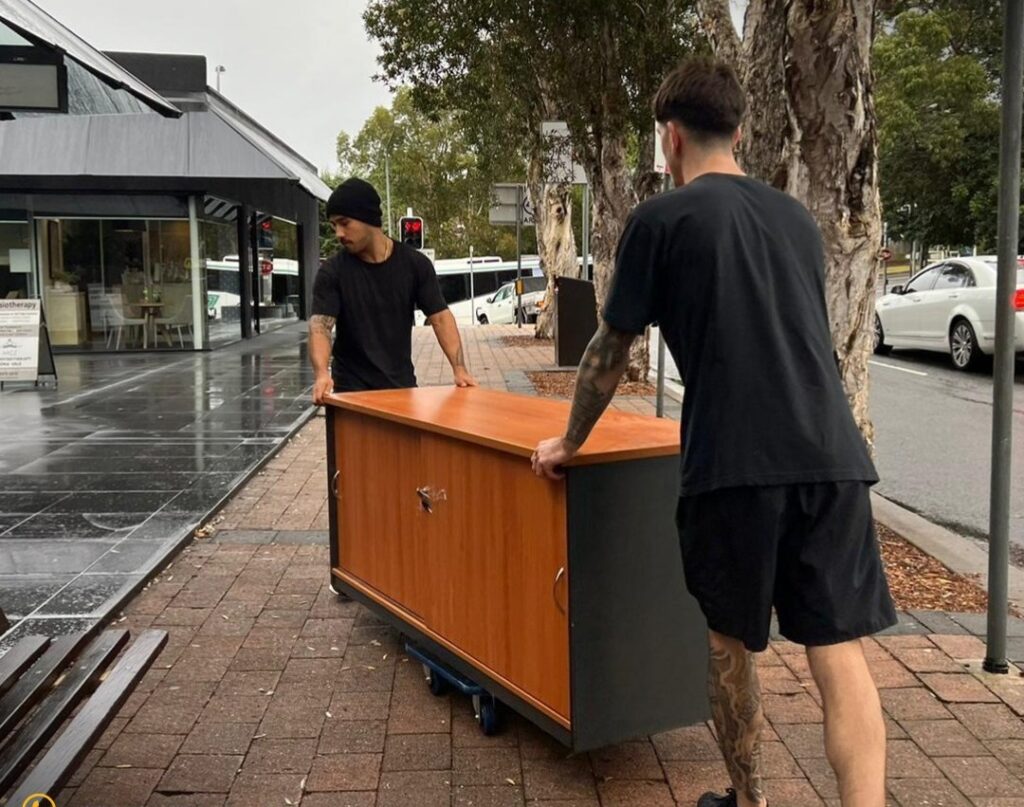
Moving a business isn’t a bigger version of moving a house. Staff still need to work, customers still ring, and a server that’s offline for two days costs real money. Picking the wrong mover can turn a weekend job into a week of chaos.
If you’re after reliable moving services Northern Beaches businesses can lean on, the choice matters even more than usual. Brookvale, Manly and Mona Vale have a mix of offices, showrooms and warehouses, with tight loading zones, lifts and strata rules that trip up unprepared crews. Here’s what to look for, in plain terms.
The short version
- Ask for proof of insurance: public liability, workers’ compensation and goods-in-transit cover.
- Request a site inspection or detailed walkthrough before you get a quote.
- Get a written, itemised quote that spells out hours, crew size and what’s excluded.
- Confirm they can move after hours or on weekends, and that they handle IT equipment properly.
- Check recent reviews and ask for commercial references, not just home move reviews.
What Makes Commercial Moving Different From a House Move?
A commercial move is about keeping the business running. You’re moving desks, filing cabinets, workstations, monitors, cabling, sometimes servers or stock, and all of it needs to land in the right place, in the right order, ready to use.
That’s the main difference from the work of home removalists Sydney families hire. A house move is mostly furniture and boxes. An office move involves timing, labelling systems, building access, compliance paperwork and a lot of people who’ll complain loudly if their desk isn’t ready Monday morning.
Plenty of companies do both well. But ask directly whether they do commercial work regularly, because a crew that’s only ever moved lounges and fridges may not be set up for it.
What Credentials and Insurance Should You Check First?
Start with insurance. A professional commercial mover should be able to show current public liability cover and workers’ compensation for their staff, and explain what happens if something gets damaged in transit. Ask for the certificate of currency, not just a verbal “yes, we’re covered”.
Building managers often need this paperwork before they’ll let a crew in. Many commercial buildings ask for it, and some want a Safe Work Method Statement (SWMS) too, which is a written document describing how the crew will handle risks like heavy lifting and loading dock work. If a mover has never heard of a SWMS, that’s a warning sign.
Industry accreditation can also help. AFRA, the Australian Furniture Removers Association, is one body you may see mentioned. It’s a useful extra signal, though not a replacement for checking insurance and reviews yourself.
Why Does a Site Inspection Matter?
A quote done over the phone is a guess. A site inspection lets the mover see the lifts, stairs, loading dock, parking, floor protection needs and how much gear you actually have. It’s the best way to avoid surprises on the day.
Good movers will ask about things you hadn’t thought of. Are there fragile fit-outs? Is anything bolted to the wall? Do certain items need dismantling and reassembling? Is the building’s lift bookable, and are there time limits? These questions are a good sign, because they mean someone’s planning the job rather than just turning up with a truck.
How Do You Compare Quotes Properly?
Cheapest isn’t automatically best. Two quotes can look similar and still cover completely different things. Look at crew size, hours estimated, truck size, packing materials, after-hours loadings, insurance and any extra charges for stairs, long carries or waiting time.
Ask whether pricing is hourly or fixed. Hourly can work well when access is simple, but a fixed or capped quote gives you more certainty on a larger move. Whatever you choose, get it in writing so you’re not arguing about it later.
If one quote is far lower than the others, don’t just celebrate. Ask what’s been left out.
What About Downtime, IT Equipment and After-Hours Moves?
Downtime is usually the biggest cost for businesses, so ask how the mover plans to keep it short. Weekend and after-hours moves are common for this reason, and a professional team will plan the sequence so critical areas are packed last and set up first.
IT needs special care. Workstations, monitors and cabling should be labelled and handled separately from general furniture, and servers or sensitive equipment may need your IT provider involved. A good mover will work with them, not around them.
Also ask about packing. Professional packers can handle files, stock, and fragile items with proper materials, which is often faster and safer than asking staff to pack their own desks.
Why Choose a Local Mover for a Northern Beaches Business?
Local knowledge saves time. A crew used to the area knows which Brookvale streets fill up by mid-morning, which buildings are fussy about lift bookings, and how parking and access work in the beachside centres. INMOVE Removals & Storage is based in Dee Why and covers commercial removals, packing and storage across the area, which gives us a good feel for these details.
You can also check how a company has handled similar jobs. Ask for references from other businesses, not just homeowners, and read recent reviews with an eye on punctuality, communication and how damage was handled.
FAQs
How far ahead should a business book commercial movers?
As early as you can. Four to six weeks is a sensible target for most offices, and more for larger or more complex moves. Peak periods like December and January fill quickly.
Should I move my business on a weekend?
Often yes. Weekend or after-hours moves reduce downtime, though they can cost differently. Ask your mover to quote both options so you can compare.
What insurance should a commercial removalist have?
At minimum, public liability and workers’ compensation, plus clear goods-in-transit or damage cover. Ask for certificates, and check whether your building needs copies before moving day.
Can movers handle IT equipment and servers?
Many can handle workstations and cabling, but servers and sensitive systems often need your IT provider involved. Confirm who’s responsible for disconnecting, labelling and reconnecting before the move.
Conclusion
Choosing a commercial mover comes down to proof and planning. Check the insurance, insist on a proper site visit, compare quotes like for like, and make sure your timing and IT needs are covered. A mover who asks lots of questions upfront is usually the one who’ll leave you the fewest problems on the day. Take the extra week to vet them, because that’s cheaper than a botched move.