Designing a church stage is about more than aesthetics—it’s about creating an environment that supports worship, communication, and engagement. Lighting and visuals play a powerful role in setting the tone, guiding attention, and enhancing the message. One of the most impactful upgrades a church can make is installing LED panels.
However, choosing the right LED panel for a church stage isn’t always straightforward. With so many technical specifications, sizes, and configurations available, it can feel overwhelming. This guide breaks everything down into simple, practical steps to help you make the right decision.
Understanding What an LED Panel Does in Church Design
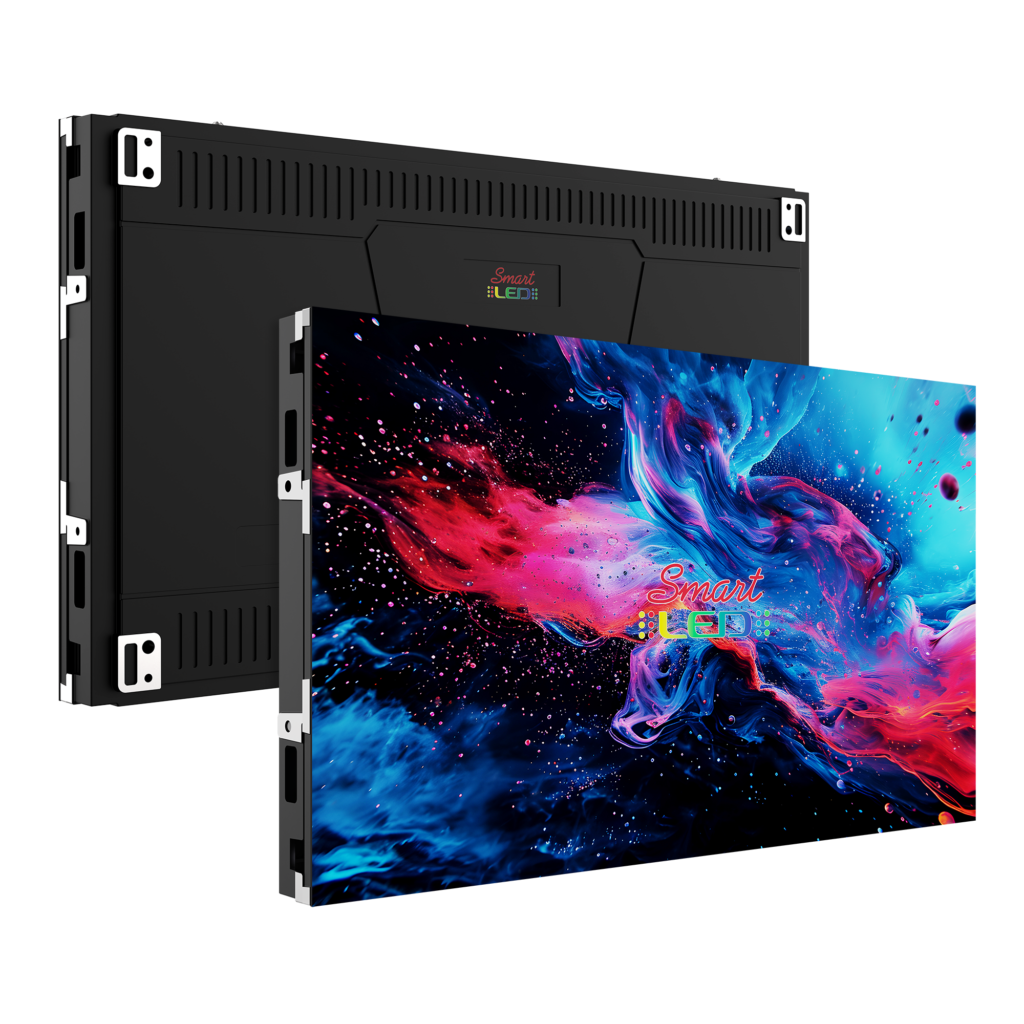
An led panel is a flat display made up of small light-emitting diodes that work together to create vibrant visuals. In a church setting, these panels are often used as digital backdrops, lyric displays, sermon visuals, or live video screens.
Unlike projectors, LED panels offer:
- Brighter output even in well-lit environments
- Better color accuracy
- No shadow interference
- Flexible installation options
They are especially useful for churches that want to create a modern, immersive worship experience without relying on traditional projection systems.
Define Your Purpose and Goals
Before diving into technical details, it’s important to understand what you want the LED panel to do.
Ask yourself:
- Will it display song lyrics, sermon notes, or videos?
- Is it meant to be a backdrop or the main focal point?
- Will it be used during daytime services, evening events, or both?
Clear goals will help you determine the size, resolution, and brightness you need. For example, a simple lyric display doesn’t require the same specifications as a full-stage visual backdrop.
Choose the Right Screen Size and Layout
Size plays a crucial role in visibility and impact. A panel that’s too small may not be visible to the entire congregation, while one that’s too large can overwhelm the stage.
Key considerations:
- Distance from the audience to the screen
- Stage dimensions
- Viewing angles
A common approach is to ensure that text and visuals are clearly visible from the back row. Modular LED panels allow you to customize the size and shape, making them ideal for unique stage designs.
Understand Pixel Pitch and Resolution
Pixel pitch refers to the distance between individual LEDs on the panel. This directly affects image clarity.
Simple rule:
- Smaller pixel pitch = sharper image
- Larger pixel pitch = more affordable but less detailed
For indoor church environments, a pixel pitch between 2mm and 4mm is usually ideal. This ensures clear text and smooth visuals, even at closer viewing distances.
Brightness and Indoor Performance
Church lighting conditions can vary greatly. Some spaces have natural light, while others rely on stage lighting.
What to look for:
- Brightness measured in nits
- Adjustable brightness settings
- Anti-glare surface
For indoor use, a brightness level between 800 to 1500 nits is typically sufficient. Too much brightness can be uncomfortable, so flexibility is key.
Selecting the Right Technology and Features
Choosing the right led display device involves more than just resolution and size. Modern panels come with features that improve usability and performance.
Important features:
- High refresh rate (for smooth video playback)
- Color calibration options
- Seamless panel connections
- Lightweight design for easy installation
These features ensure that your visuals look professional and consistent during services and events.
Consider Installation and Mounting Options
Installation is a critical part of your decision. LED panels can be mounted in various ways depending on your stage design.
Common options:
- Wall-mounted displays
- Hanging panels from trusses
- Freestanding structures
Make sure your church has the proper support structure and space for installation. It’s also important to consider access for maintenance and repairs.
Budget Planning and Long-Term Value
LED panels are an investment, so it’s important to balance cost with quality.
Budget factors include:
- Panel cost per square meter
- Installation expenses
- Maintenance and repairs
- Control systems and software
While cheaper options may seem attractive, investing in reliable, high-quality panels often saves money in the long run due to durability and performance.
Ease of Use and Control Systems
Your team should be able to operate the system بسهولة without technical complications.
Look for:
- User-friendly software
- Compatibility with existing media systems
- Remote control options
A simple interface ensures smooth operation during live services, reducing stress for your technical team.
Content Compatibility and Media Integration
Your LED panel should work seamlessly with the content you plan to display.
Ensure compatibility with:
- Presentation software (like worship slides)
- Video playback systems
- Live camera feeds
This integration allows you to create a dynamic and engaging worship experience.
Maintenance and Durability
Churches often use their equipment multiple times a week, so durability matters.
Maintenance tips:
- Choose panels with good ventilation
- Ensure easy access for repairs
- Regularly clean the surface
High-quality panels are designed to last for years with minimal issues, making them a reliable choice for long-term use.
Think About Future Expansion
Your church may grow, and your technology should grow with it.
Plan for:
- Expandable panel systems
- Upgradable software
- Additional input options
Modular LED panels make it easy to expand your setup without replacing the entire system.
Design and Aesthetic Considerations
LED panels should enhance your stage, not dominate it.
Design tips:
- Match panel size with stage proportions
- Use visuals that complement worship themes
- Avoid overly bright or distracting content
A well-designed stage creates a meaningful and immersive worship environment.
Work with Professionals
If possible, consult with experienced AV professionals. They can help:
- Assess your space
- Recommend the right specifications
- Handle installation safely
Their expertise ensures that your investment delivers the best results.
Benefits of Choosing the Right LED Panel
Making the right choice brings several advantages:
- Clear communication of messages and lyrics
- Enhanced worship atmosphere
- Improved audience engagement
- Professional and modern stage design
- Long-term cost efficiency
These benefits contribute to a more impactful and memorable church experience.
FAQs
1. What size LED panel is best for a church stage?
It depends on your stage size and audience distance. Larger spaces require bigger panels for visibility.
2. Is LED better than a projector for churches?
Yes, LED panels provide better brightness, clarity, and reliability compared to projectors.
3. How long do LED panels last?
High-quality panels can last up to 50,000–100,000 hours with proper maintenance.
4. Can small churches afford LED panels?
Yes, modular systems allow you to start small and expand later based on budget.
5. Do LED panels require special maintenance?
Not much—just regular cleaning and occasional technical checks.
Final Words
Choosing the correct LED panel for your church stage design doesn’t have to be complicated. By focusing on your goals, understanding key specifications, and planning for the future, you can make a confident and informed decision.
A well-chosen LED panel doesn’t just improve visuals—it enhances the entire worship experience. It helps communicate messages clearly, creates an engaging atmosphere, and supports your church’s mission in a modern and meaningful way.
Take your time, evaluate your options, and invest wisely. The right choice will serve your congregation for years to come.