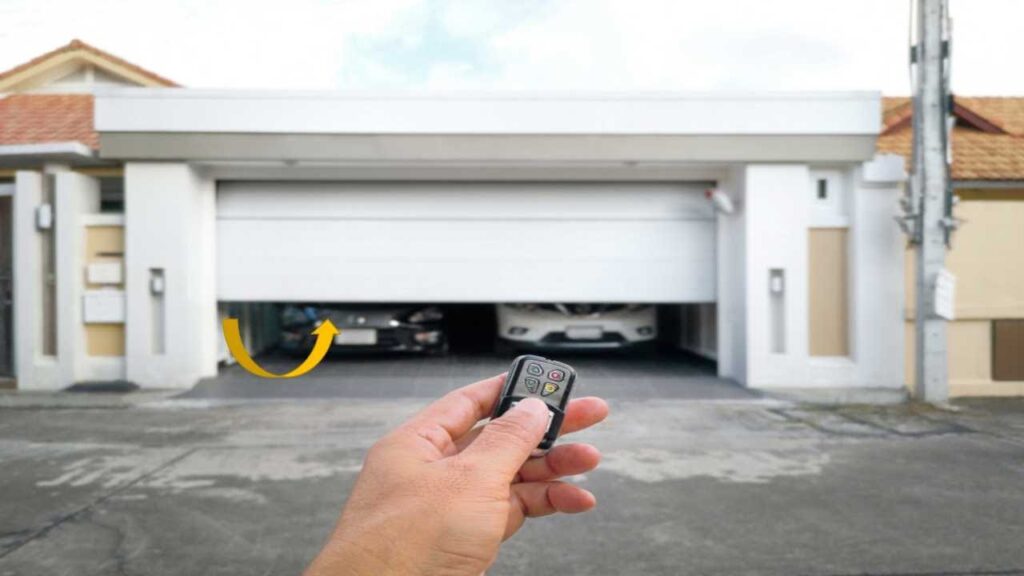
Choosing the right door automation system can make a significant difference to the convenience, accessibility, security, and overall functionality of a property. Whether you are managing a residential building, office, retail store, healthcare facility, hospitality venue, or commercial premises, an automated entrance can provide smoother movement while creating a more modern and practical environment.
With different door types, activation methods, control options, and installation requirements available, selecting a suitable system requires careful consideration. The right solution should work well with the existing entrance, accommodate the expected level of traffic, and provide dependable operation for everyday use.
Understanding Door Automation Systems
A door automation system allows a door to open and close with minimal manual effort. Depending on the design, the system can respond to sensors, push buttons, remote controls, access credentials, or other activation methods. Some systems are designed for sliding doors, while others are suitable for swing, folding, or specialist entrances.
Automation can be particularly useful where doors are frequently used throughout the day. Instead of repeatedly pulling or pushing a door, users can activate the entrance through an appropriate control method. This can improve movement through busy areas and provide additional convenience for people entering or leaving a property.
Before selecting a system, it is important to understand the entrance itself. The size, weight, configuration, available space, and frequency of use can all affect which automation solution is appropriate.
Consider the Type of Door
The existing door design is one of the first factors to examine. Different doors require different automation mechanisms, and choosing a system that matches the door configuration can support reliable operation.
Sliding doors are often selected for entrances where space is limited because the panels move sideways rather than opening into or across a walkway. Swing doors can be automated using systems designed to control the movement of the door panel through its opening and closing cycle. Folding doors may also benefit from dedicated automation equipment where the entrance requires a compact opening arrangement.
The door material and construction should also be considered. Glass, aluminium, timber, and other door materials can have different weights and structural characteristics. An experienced installer can assess the existing door and determine what type of automation is compatible with it.
Evaluate the Level of Traffic
The amount of daily traffic is another important consideration. A door used occasionally in a private property has different requirements from an entrance used continuously in a busy commercial building.
For a residential entrance, convenience and quiet operation may be major priorities. In a retail environment, however, the entrance may be activated hundreds or thousands of times during a busy period. A commercial property therefore needs a system designed for frequent operation.
Think about how many people use the entrance each day and whether traffic tends to increase during particular periods. Understanding these patterns can help determine the appropriate system capacity and operating configuration.
A properly selected system should be able to accommodate normal usage without creating unnecessary delays or excessive wear on its components.
Think About Accessibility
Accessibility should be an important part of any door automation decision. An automated entrance can make it easier for people who may find manually opening a heavy door difficult.
This can be especially relevant in healthcare facilities, offices, apartment buildings, public buildings, hotels, and commercial premises. Automatic operation can reduce the physical effort required to pass through an entrance and can create a more convenient experience for visitors and staff.
Activation methods should also be positioned and configured thoughtfully. Sensors, push buttons, access controls, and other devices should be easy for intended users to operate.
When planning an accessible entrance, it is also important to consider the surrounding space, door opening speed, clear passage area, and applicable accessibility requirements.
Choose the Right Activation Method
Door automation systems can use different methods to initiate opening. The appropriate option depends on the property, users, security requirements, and expected traffic.
Motion sensors can detect approaching users and activate the door automatically. This can be useful for busy entrances where hands-free movement is desirable. Push buttons can provide a straightforward solution where users need to deliberately request access.
Remote controls can be useful for selected residential or private applications. Access control systems can provide greater control over who can enter a particular area by using credentials such as cards, key fobs, codes, or other approved methods.
Some properties may benefit from combining automation with an access management system. This can allow convenient entry for authorised users while maintaining controlled access to restricted areas.
Consider Security Requirements
Convenience should not come at the expense of security. When selecting an automated entrance, consider how the door will behave during normal operation and how access should be controlled.
A property with a public entrance may require open access during business hours and controlled access outside operating times. An office building may require authorised access for employees and visitors. A private residence may need a system that provides convenient entry while limiting access to approved users.
Security requirements can also influence the choice of sensors, access controls, locking arrangements, and monitoring features. Discussing these requirements with an experienced professional can help ensure that the automation system complements the property’s wider security arrangements.
Examine Safety Features
Safety is another essential consideration when choosing door automation. The system should be configured to reduce the possibility of the door moving unexpectedly into a person or obstructing the entrance.
Modern automated door solutions can incorporate sensors and safety mechanisms designed to detect people or obstacles during operation. These features can help manage the opening and closing cycle and provide a safer experience for users.
The specific safety features required will depend on the door type, location, usage, and applicable standards. A professional assessment can help identify the appropriate safety configuration for the property.
Assess Available Space
The physical layout around an entrance can affect which automation system is practical. Sliding doors need suitable wall or side space for the panels to move. Swing doors require sufficient clearance for the door leaf to operate without interfering with nearby objects, furniture, or pedestrian routes.
Before installation, examine the area surrounding the doorway. Consider walls, corridors, stairs, furniture, displays, and other potential obstacles. An automation system should work naturally within the available space rather than creating a new obstruction.
For properties with limited room, compact door configurations may provide a more practical solution.
Match the System With Your Property Type
Different properties have different priorities. Residential buildings may place greater emphasis on convenience, appearance, quiet operation, and controlled access. Offices may need reliable performance during busy working hours combined with secure entry management.
Retail businesses often require smooth customer movement and dependable operation throughout the day. Hotels may focus on visitor convenience and a welcoming entrance experience. Healthcare facilities can have more demanding accessibility and traffic requirements.
Industrial and commercial properties may also require robust solutions for entrances that experience frequent use. Identifying the primary purpose of the entrance makes it easier to narrow down suitable automation options.
Consider Aesthetics and Design
An entrance is often one of the first parts of a property that visitors see. For this reason, the appearance of an automated door can be just as important as its functionality.
Modern automation systems can be integrated into different architectural styles. Glass entrances can create an open and contemporary appearance, while carefully selected hardware can complement existing doors and frames.
When choosing a system, consider how the equipment will look alongside the property’s architecture. The automation components should ideally provide the required functionality without unnecessarily disrupting the overall design.
Look at Operating Noise
Noise can be an important consideration, particularly in environments where quiet operation matters. Offices, hotels, healthcare facilities, residential buildings, and other noise-sensitive locations may benefit from an automation system designed for smooth and controlled movement.
Door movement can be influenced by the condition of the door, installation quality, hardware, and automation mechanism. Regular maintenance can also help keep the system operating smoothly.
Discuss noise expectations with the installer before selecting the equipment, especially if the entrance is close to bedrooms, consultation rooms, meeting spaces, or other quiet areas.
Consider Energy Efficiency
Automated doors can also contribute to more controlled building operation when configured appropriately. A door that opens only when needed may help reduce unnecessary movement of air between indoor and outdoor spaces.
The overall effect depends on the building design, entrance location, door configuration, and operating schedule. Automation should therefore be considered as one part of the property’s broader efficiency strategy rather than as an isolated feature.
A properly configured system can help manage how often the entrance remains open while still allowing convenient movement for users.
Review Maintenance Requirements
Every mechanical and electronic system benefits from appropriate maintenance. Door automation is no exception.
Regular inspections can help identify signs of wear, alignment issues, sensor problems, unusual movement, or other concerns before they develop into larger operational problems. The maintenance schedule should reflect the amount of use and the manufacturer’s recommendations.
High-traffic entrances may require more frequent attention than doors used occasionally. Keeping the door mechanism, sensors, controls, and related components in suitable working condition can support consistent performance.
When comparing systems, ask about maintenance requirements and the availability of professional servicing.
Check Installation Quality
Even a high-quality automation system may not perform as expected if it is installed incorrectly. Professional installation is therefore an important part of the selection process.
An installer should assess the existing door, surrounding structure, electrical requirements, access controls, safety features, and expected usage before installation. Proper setup can help ensure that the door opens and closes at suitable speeds and responds correctly to activation devices.
Installation should also account for the property’s existing systems and any applicable building or safety requirements.
Think About Future Requirements
When choosing door automation, consider not only today’s requirements but also how the property may be used in the future. A business may expand, a building may experience increased visitor traffic, or access requirements may change.
Selecting a system with appropriate flexibility can make future modifications easier. For example, a property may initially require simple automatic opening but later benefit from integrated access control or additional activation methods.
Planning ahead can help avoid unnecessary replacement or major modifications later.
Compare Quality, Reliability, and Support
Cost is naturally part of any property improvement decision, but the purchase price should not be the only factor considered. Reliability, compatibility, installation quality, maintenance, warranty support, and replacement parts can all influence the long-term value of an automation system.
Compare solutions based on their suitability for the actual entrance rather than simply selecting the cheapest available option. A system that is properly matched to the property’s requirements can provide more consistent performance over its useful life.
It is also worth considering the reputation and experience of the installation company. Reliable after-installation support can be particularly valuable when the automated entrance is essential to daily operations.
Professional Assessment Makes Selection Easier
If you are uncertain about which door automation system is suitable, a professional site assessment can provide useful guidance. An installer can inspect the existing entrance, measure the available space, evaluate the door’s condition, and discuss how the entrance is used.
This assessment can help identify potential installation challenges before equipment is selected. It can also provide an opportunity to discuss accessibility, security, activation methods, maintenance, and future requirements.
Every property has different needs, so a solution designed around the specific entrance is often more practical than choosing equipment based solely on appearance or price.
Final Thoughts on Choosing Door Automation
Choosing the right door automation system involves more than selecting an automatic opening mechanism. The best-fit solution depends on the door type, traffic level, accessibility requirements, security needs, available space, activation method, safety features, design preferences, and long-term maintenance expectations.
A thoughtful selection process can create an entrance that is convenient, accessible, secure, and suitable for everyday use. Whether the project involves a home, office, retail premises, healthcare facility, hotel, or larger commercial property, assessing the entrance carefully before installation can help ensure that the chosen automation system meets the property’s practical requirements.
With professional guidance and appropriate planning, door automation can become a valuable part of a modern property’s entrance strategy, improving the experience of people who use the building while supporting reliable day-to-day operation.