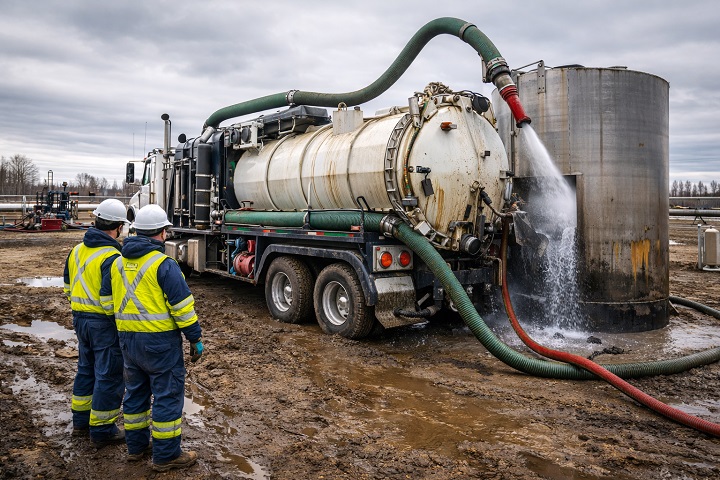
Industrial sites rarely slow down, especially in oil and gas operations where fluid handling is constant and critical. Whether managing drilling byproducts, cleaning tanks, or responding to spills, the right equipment determines both efficiency and safety. One of the most versatile tools on-site is the combo unit vac truck, designed to handle multiple tasks without switching equipment. Understanding how it works and how to use it properly can make a significant difference in daily operations.
How a combo unit vac truck works in the field
A combo unit vac truck combines high-pressure water blasting and vacuum capabilities into a single system. This allows operators to break up solid or semi-solid materials using pressurized water and immediately remove the resulting slurry through a vacuum hose. The integration of these functions reduces downtime and eliminates the need for separate units.
In oilfield environments, this dual capability is especially useful for cleaning tanks, clearing sludge from pits, and maintaining pipelines. The system typically includes a debris tank, water tank, vacuum pump, and high-pressure pump. Operators can switch between functions as needed, making the combo unit vac truck a flexible solution for complex tasks.
Role in fluid hauling operations with combo unit vac truck
Fluid hauling requires careful coordination to ensure materials are transported safely and efficiently. A combo unit vac truck plays a key role by enabling both removal and transport of fluids in one cycle. This reduces the number of vehicles required on-site and minimizes handling steps.
During operations, the truck collects waste fluids, slurries, or contaminated water and stores them in its onboard tank. Once full, the material is transported to an approved disposal or treatment facility. This streamlined approach improves turnaround times and reduces environmental risks associated with multiple transfers. For project coordinators, this means fewer logistical challenges and better control over fluid management processes.
Workflow from loading to unloading
The workflow of a combo unit vac truck follows a structured process that ensures consistency and safety. It begins with a site assessment, where operators evaluate the type of material, access points, and potential hazards. Proper setup includes positioning the truck on stable ground and connecting hoses securely.
Loading starts with either water blasting or direct vacuuming, depending on the material. The vacuum system then transfers the material into the debris tank. During transport, operators must monitor tank levels and secure all valves to prevent leaks. Unloading involves either gravity discharge or pressurized offloading at designated facilities. Each step requires attention to detail to avoid contamination or equipment damage.
Safety and environmental practices in Alberta
Alberta has strict regulations governing fluid handling and waste disposal. Operators must follow provincial guidelines to prevent spills, protect groundwater, and ensure worker safety. This includes proper labeling of transported materials and maintaining detailed documentation.
Personal protective equipment is mandatory during operation, including gloves, eye protection, and respiratory gear when needed. Environmental protection measures such as spill containment and controlled discharge are also critical. Regular inspections of hoses, tanks, and valves help prevent failures. By adhering to these practices, operators reduce risks and maintain compliance with industry standards.
Equipment and operator responsibilities
A combo unit vac truck requires both reliable equipment and skilled operators. The machinery must be maintained regularly to ensure optimal performance. This includes checking pump systems, inspecting seals, and cleaning tanks after each use.
Operators are responsible for understanding the equipment’s capabilities and limitations. They must adjust pressure settings appropriately and monitor vacuum levels during operation. Training is essential to ensure safe handling of hazardous materials and proper response to unexpected situations. Strong communication between operators and site managers further enhances operational efficiency.
Real field scenario from a drilling site
Consider a drilling site dealing with accumulated sludge in a storage tank. The material is thick and difficult to remove using standard methods. A combo unit vac truck is deployed to handle the task efficiently.
The operator begins by using high-pressure water to break down the sludge into a pumpable consistency. Once liquefied, the vacuum system removes the material and transfers it into the truck’s tank. The entire process is completed in a single operation without requiring additional equipment. This reduces downtime and limits exposure to hazardous substances, demonstrating the practical value of integrated systems in real-world conditions.
Common mistakes in vac truck operations
Despite its versatility, improper use of a combo unit vac truck can lead to inefficiencies or safety issues. One common mistake is using incorrect pressure levels, which can damage equipment or create unnecessary hazards. Another issue is overfilling the tank, increasing the risk of spills during transport.
Poor hose management can also cause blockages or leaks, while inadequate site assessment may result in unstable positioning of the truck. Skipping routine maintenance is another frequent oversight that leads to equipment failure. Addressing these mistakes requires proper training and adherence to operational guidelines.
Practical tips for selecting the right unit
Choosing the right combo unit vac truck depends on several factors. Capacity is a primary consideration, as it determines how much material can be handled in one trip. Pump strength and vacuum power should match the type of materials being managed.
Mobility is also important, especially for sites with limited access. Operators should consider terrain and weather conditions when selecting equipment. Additionally, compatibility with regulatory requirements in Alberta is essential. Investing in the right specifications ensures better performance and long-term reliability.
Industry example and operational context: FluidPRO Oilfield Services Ltd
In Alberta’s oilfield sector, companies such as FluidPRO Oilfield Services Ltd operate within strict regulatory frameworks and demanding site conditions. Their use of integrated equipment like combo units reflects broader industry practices focused on efficiency and safety.
This example highlights how operators rely on versatile equipment to manage complex fluid handling tasks. It also underscores the importance of trained personnel and adherence to environmental standards. While each company may have its own procedures, the underlying principles of safe and efficient operation remain consistent across the industry.
FAQ
What is a combo unit vac truck used for?
It is used for cleaning, fluid removal, and transporting waste materials in industrial and oilfield operations.
How is it different from a standard vacuum truck?
It combines water blasting and vacuum functions, while standard units typically only vacuum materials.
Is it suitable for hazardous materials?
Yes, when operated correctly and in compliance with safety regulations.
What industries commonly use it?
Oil and gas, construction, municipal services, and industrial cleaning sectors.
How often should maintenance be performed?
Routine inspections should be done daily, with more detailed servicing scheduled regularly.
Conclusion
A combo unit vac truck is a critical asset in modern oilfield and industrial operations. Its ability to combine cleaning and vacuum functions streamlines workflows and reduces operational complexity. From fluid hauling to site maintenance, it supports efficient and safe handling of challenging materials. Proper use requires attention to workflow, adherence to safety standards, and skilled operation. Avoiding common mistakes and selecting the right equipment further enhances performance. In demanding environments like Alberta’s oilfields, understanding these factors helps operators maintain productivity while meeting regulatory and environmental expectations.