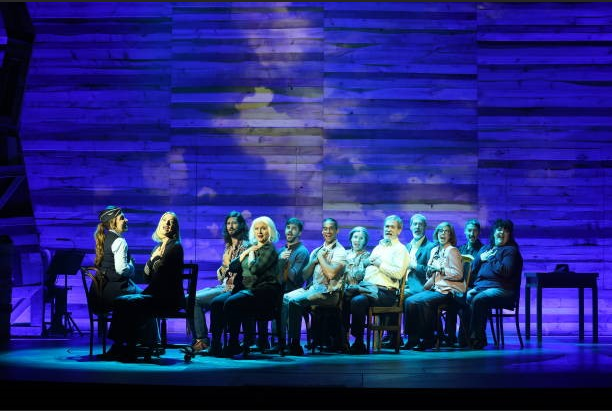
Teaching students about 9/11 is not easy. It is a complex historical event filled with fear, loss, and long-term global impact. Many educators struggle to present it in a way that is accurate, age-appropriate, and meaningful. This is where Come From Away has found a unique place in classrooms. The musical offers a human-centered perspective that helps students understand not just what happened, but how people responded.
Over time, Come From Away has become a widely used educational tool. Schools continue to include it in lesson plans because it supports emotional learning, historical understanding, and social awareness all at once.
Key Takeaways
- Come From Away helps schools teach 9/11 through real human stories, not just facts.
- It highlights community care after 9 11, making the topic more balanced and less overwhelming.
- The musical supports teaching empathy and kindness through relatable characters and actions.
- Music and storytelling improve student engagement and long-term memory of the topic.
- It acts as a safe and effective entry point before deeper historical discussions.
- Schools use it across subjects like history, literature, and social studies.
What Makes Come From Away Different
Unlike traditional 9/11 lessons that focus on timelines, political responses, or news footage, Come From Away tells the story of 7,000 stranded passengers who landed in Gander, Newfoundland. The local community welcomed them during a time of global uncertainty.
This focus on community care after 9 11 shifts the narrative. Instead of only highlighting tragedy, it highlights human response. Students see how ordinary people made decisions under pressure, opened their homes, and supported strangers.
Educators find this approach valuable because it balances difficult history with constructive themes. It allows students to process the event without feeling overwhelmed.
Come From Away Musical Impact on 9 11 Education
Supporting Emotional Learning in the Classroom
One reason Come From Away is used repeatedly in schools is its role in social-emotional learning. The story naturally introduces ideas like compassion, cooperation, and resilience.
When students watch or study Come From Away, they are not just learning facts. They are observing behavior. They see:
- How communities respond during a crisis
- How fear can be managed through cooperation
- How small actions create a large impact
This makes it an effective tool for teaching empathy and kindness. Instead of abstract discussions, students engage with real-life-inspired community care after 9/11.
The Role of Music in Memory and Engagement
Songs help simplify complex emotions and make them easier to remember.
The Come From Away musical shares a message to be kind in its song lyrics. While students may not remember every historical detail, they often remember how this music made them feel.
This emotional connection improves retention. It also encourages students to revisit the topic with more curiosity and openness.
From an educational perspective, this is important. Emotional engagement often leads to deeper understanding and longer-lasting learning outcomes.
Accuracy and Real Stories
Another reason Come From Away continues to be used is its strong foundation in real events. The creators conducted extensive interviews with people who experienced the situation firsthand.
This gives the musical a level of authenticity that educators value. Students are not just watching a fictional story. They are learning about real individuals and real decisions made during a global crisis.
Teachers often use this as an entry point into broader lessons about 9/11. After engaging with Come From Away, students are more prepared to explore:
- The timeline of events
- International responses
- Long-term social and political effects
The musical becomes a gateway rather than a replacement for traditional history lessons.
Encouraging Discussions About Global Citizenship
One of the strongest educational outcomes linked to Come From Away is its ability to introduce global thinking. Students begin to understand how events in one country can affect people worldwide.
The story shows international travelers, diverse cultures, and shared challenges. It highlights how cooperation across backgrounds can lead to positive outcomes even in uncertain situations.
This ties directly into modern education goals, where students are encouraged to think beyond local or national perspectives.
Many schools connect these lessons to present-day topics such as:
- Crisis response
- Cultural understanding
- Responsible citizenship
In some cases, activities may even extend to real-world actions like volunteering or discussing ideas similar to a kindness foundation donation, helping students see how small contributions can support larger communities.
Why Schools Continue to Use Come From Away
There are several practical reasons why Come From Away remains relevant in education:
- Balanced Perspective
It presents both challenge and hope, which helps students process difficult history.
- Cross-Curricular Use
It fits into history, literature, music, and social studies lessons.
- Engagement
Students respond more actively to storytelling and music than to traditional lectures alone.
- Real-World Connection
It encourages students to think about how they would respond in similar situations.
- Focus on Human Values
It reinforces themes that schools actively try to teach, such as cooperation and empathy.
Because of these benefits, Come From Away continues to be used not just as a performance piece but as an educational resource.
Final Thoughts
Teaching 9/11 requires more than sharing facts. It requires helping students understand human behavior during crisis, the importance of community, and the impact of individual actions.
Come From Away supports this by presenting a story rooted in real experiences, guided by compassion and cooperation. It helps educators introduce complex history while also focusing on teaching empathy and kindness.
As schools look for ways to make learning more meaningful, Come From Away continues to stand out. It reminds students that even in the most difficult moments, people can respond with care, connection, and humanity.
FAQs
- Why do schools useComeFrom Away to teach about 9/11?
Schools use it because it presents a human-centered story that helps students understand emotional and social responses, not just historical facts. - IsComeFrom Away historically accurate?
Yes. The musical is based on real events and interviews with people who experienced the situation in Gander during 9/11. - How does the musical help with student learning?
It improves engagement through storytelling and music, making complex topics easier to understand and remember.