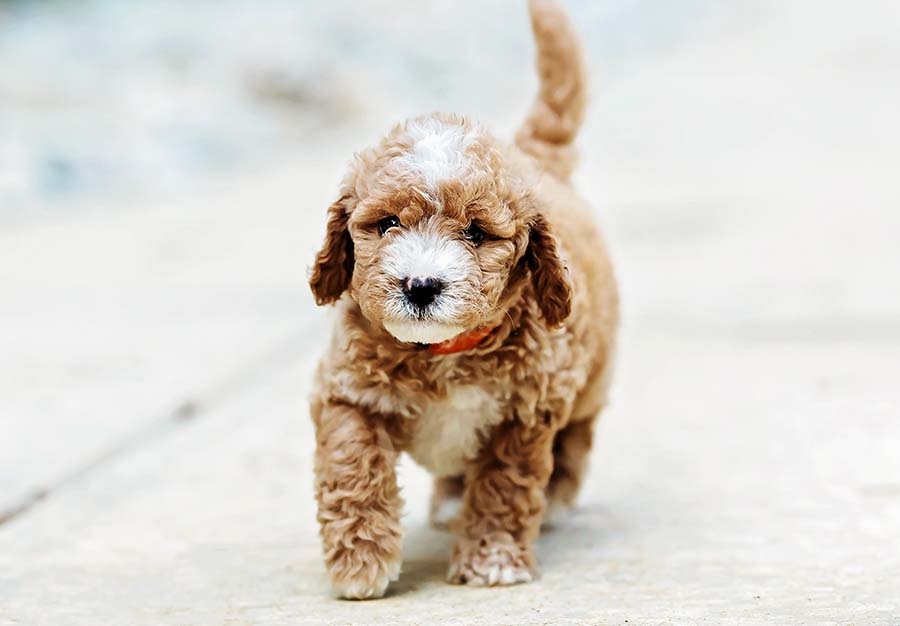
Bringing a Goldendoodle puppy home is exciting, but those first few weeks also come with plenty of questions. How often should you feed your puppy? When should training begin? What grooming routine works best? If you are considering Goldendoodle puppies oklahoma, understanding these basics can make the transition easier. With consistent care, patience, and a comfortable routine, your new companion can grow into a healthy, confident, and well-mannered family dog.
Prepare Your Home Before the Puppy Arrives
A little preparation can prevent many common puppy problems. Goldendoodle puppies are curious, energetic, and quick to investigate anything within reach, so your home should be safe before your puppy walks through the door.
Create a dedicated area where your puppy can sleep, eat, play, and relax. A crate or puppy-safe pen can provide a secure space while also making house training easier.
Remove or secure anything your puppy might chew or swallow. This includes electrical cords, small objects, cleaning products, medications, toxic plants, and accessible food.
Essential Puppy Supplies
Before arrival, have these basic supplies ready:
- Comfortable crate or sleeping area
- Puppy food recommended for the puppy’s age and size
- Food and water bowls
- Adjustable collar and identification tag
- Harness and leash
- Safe chew toys
- Puppy-safe grooming tools
- Enzymatic cleaner for accidents
- Training treats
- Comfortable bedding
Having everything prepared allows you to focus on bonding instead of shopping for essentials during those busy first days.
Establish a Consistent Feeding Routine
Nutrition plays an important role in healthy puppy development. Feed your puppy a complete and balanced diet appropriate for its age, size, and expected adult weight.
When bringing home Goldendoodle puppies, ask the breeder or previous caregiver what food the puppy has been eating. Keeping the same food initially can reduce digestive upset. If you decide to change the diet, transition gradually over several days.
Fresh water should always be available. Avoid giving puppies table scraps, especially foods that may be harmful to dogs, such as chocolate, grapes, raisins, onions, garlic, and products containing xylitol.
Avoid Overfeeding
Goldendoodles can vary considerably in adult size, depending on their genetic background. Feeding portions should therefore be based on your puppy’s individual needs rather than guesswork.
Follow the food manufacturer’s feeding guidance and discuss portions with your veterinarian. Regular weight checks can help you determine whether your puppy is growing at an appropriate rate.
Make Veterinary Care a Priority
Your puppy’s first veterinary visit should happen soon after coming home. The veterinarian can perform a physical examination, discuss vaccinations, recommend parasite prevention, and create an appropriate healthcare schedule.
Keep a written record of vaccinations, medications, weight, and veterinary appointments. This information is especially useful if your puppy develops a health concern later.
Your veterinarian can also discuss spaying or neutering, dental care, nutrition, and breed-related considerations based on your puppy’s individual needs.
Watch for Changes in Health
Puppies can become unwell quickly, so pay attention to changes in behavior. Contact your veterinarian if you notice persistent vomiting, severe diarrhea, difficulty breathing, unusual weakness, refusal to eat, or other concerning symptoms.
Do not give human medications unless your veterinarian specifically instructs you to do so.
Start Training From Day One
Training does not need to wait until your puppy is older. In fact, the early weeks are an excellent time to establish household rules and encourage good habits.
Use positive reinforcement. Reward your puppy with praise, affection, or small treats when it performs a desired behavior.
Keep training sessions short and enjoyable. A few minutes at a time can be more productive than one long session that leaves your puppy tired or frustrated.
Focus on Basic Commands
Begin with simple skills such as:
- Responding to its name
- Sitting on cue
- Coming when called
- Walking calmly on a leash
- Dropping or leaving an object
- Settling quietly in a designated area
Consistency matters more than perfection. Everyone in the household should use similar commands and expectations.
Make House Training Predictable
House training becomes easier when you create a routine. Take your puppy outside after waking, eating, drinking, playing, and sleeping.
Choose a consistent toilet area when possible. When your puppy eliminates in the correct place, provide immediate praise so it understands which behavior earned the reward.
Accidents are normal during puppyhood. Avoid punishment after an accident because your puppy may become confused or fearful. Instead, clean the area thoroughly with an enzymatic cleaner and increase supervision.
Build a Healthy Grooming Routine
Goldendoodle coats can range from wavy to curly, and many require regular brushing to prevent tangles and mats. Start grooming sessions early so your puppy learns that brushing, handling, and nail care are normal parts of life.
Use a soft brush appropriate for your puppy’s coat and introduce grooming gradually. Keep early sessions brief and reward calm behavior.
Grooming Schedule
| Care Task | General Approach | Why It Matters |
|---|---|---|
| Brushing | Several times each week or as needed | Helps prevent mats and tangles |
| Bathing | When needed | Keeps the coat and skin clean |
| Nail trimming | Regularly as nails grow | Supports comfortable movement |
| Ear checks | Frequently | Helps identify irritation or buildup |
| Dental care | Begin early | Builds healthy oral-care habits |
| Professional grooming | As the coat requires | Helps maintain coat condition |
A professional groomer can also teach you how to maintain your puppy’s particular coat between appointments.
Provide Age-Appropriate Exercise
Goldendoodle puppies need physical activity, but young joints and developing bodies should not be pushed too hard. Instead of intense or prolonged exercise, provide several short periods of movement throughout the day.
Gentle play, supervised exploration, short walks when your veterinarian says they are appropriate, and interactive games can help your puppy stay active.
Mental stimulation is equally important. Puzzle toys, simple training exercises, scent games, and supervised exploration can tire a puppy without excessive physical strain.
Prevent Overstimulation
A puppy that becomes wild, nippy, or unable to settle may actually be overtired. Schedule quiet periods throughout the day and provide a comfortable place where your puppy can sleep undisturbed.
Adequate sleep is essential for growing puppies. Do not assume that constant activity will make a puppy easier to manage.
Socialize Your Puppy Carefully
Early socialization helps puppies learn that new people, sounds, environments, and experiences can be safe. However, socialization should be controlled and appropriate for your puppy’s vaccination status and health risks.
Introduce new experiences gradually. For example, allow your puppy to hear household appliances, encounter different surfaces, meet calm people, and experience gentle handling.
Well-run puppy classes can also provide useful training and controlled social experiences when your veterinarian considers them appropriate.
Teach Calm Interaction With People and Dogs
Encourage polite behavior rather than allowing your puppy to jump on everyone. Reward four paws on the floor and calm greetings.
When introducing your puppy to another dog, choose a healthy, friendly, appropriately vaccinated dog in a safe setting. Supervise the interaction and give both animals room to move away if they become uncomfortable.
Manage Chewing and Puppy Biting
Chewing is a normal part of puppy development. Problems usually arise when puppies do not understand which items are appropriate to chew.
Provide several safe chew options and redirect your puppy when it chooses furniture, shoes, or other household objects. Praise the puppy when it switches to an appropriate toy.
If your puppy becomes mouthy during play, calmly pause the interaction and redirect its attention. Consistent responses can help teach better play habits over time.
Create a Daily Routine
Predictability can make puppyhood easier for everyone. A simple schedule can include meals, potty breaks, play, training, grooming practice, quiet time, and sleep.
A sample routine might look like this:
- Morning potty break
- Breakfast and water
- Short play or training session
- Nap
- Potty break and supervised play
- Lunch if recommended for the puppy’s feeding schedule
- Quiet time
- Short training or enrichment activity
- Evening meal
- Calm family interaction
- Final potty break and bedtime
The exact schedule should match your puppy’s age, feeding needs, sleep requirements, and your household.
Build a Strong Bond Through Positive Care
Your relationship with your puppy develops through everyday interactions. Feeding, grooming, training, play, and quiet companionship all teach your dog whether people are trustworthy and predictable.
Give your puppy opportunities to make good choices. Instead of constantly correcting unwanted behavior, arrange the environment so appropriate behavior is easier.
For example, keep chew toys available, block access to tempting furniture, and reward your puppy for resting quietly. These small adjustments can make training much easier.
Avoid Common New-Owner Mistakes
Even well-prepared owners can make mistakes during the excitement of puppyhood. Fortunately, most can be avoided with a little planning.
Common mistakes include:
- Changing food suddenly
- Skipping veterinary appointments
- Giving too many treats
- Expecting immediate house training
- Exercising a puppy too intensely
- Neglecting grooming until mats develop
- Using punishment during training
- Allowing inconsistent household rules
- Providing too little sleep
- Giving unrestricted access to the entire house
Remember that your puppy is learning constantly. A calm, consistent approach will usually produce better results than frustration or harsh corrections.
Conclusion
Caring for a new Goldendoodle puppy is a rewarding responsibility that requires consistency, patience, and preparation. From providing balanced nutrition and routine veterinary care to introducing grooming, training, exercise, and socialization, every daily interaction helps shape your puppy’s future behavior and wellbeing. Most importantly, give your puppy time to learn. Establish clear routines, reward desirable behavior, and create a safe environment where your companion can grow with confidence. With thoughtful care and plenty of positive experiences, your Goldendoodle can become a happy, well-adjusted member of the family.
FAQs
How often should I groom a Goldendoodle puppy?
Brush your puppy regularly, often several times per week, depending on its coat type. Starting early helps prevent mats and teaches your puppy to tolerate grooming.
When should I begin training my Goldendoodle puppy?
Basic training can begin as soon as your puppy comes home. Start with simple behaviors such as responding to its name, sitting, coming when called, and appropriate chewing.
How much exercise does a Goldendoodle puppy need?
Young puppies generally benefit from short, age-appropriate activity periods combined with plenty of rest. Ask your veterinarian for guidance based on your puppy’s age, health, and development.
What should I feed my Goldendoodle puppy?
Choose a complete and balanced puppy food appropriate for your dog’s expected size and developmental needs. Your veterinarian can help you select an appropriate diet and feeding amount.
How can I help my Goldendoodle puppy become confident?
Introduce new people, sounds, environments, handling experiences, and healthy dogs gradually and positively. Reward calm behavior and avoid forcing your puppy into situations that cause significant fear.