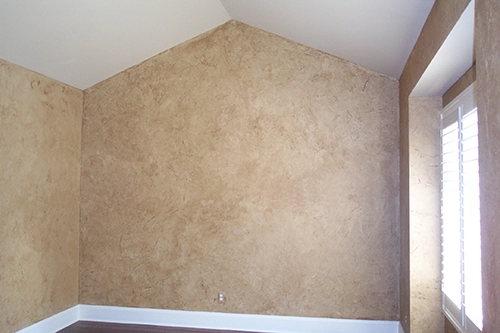
Say the words faux painting and half the room pictures a 1990s sponge disaster in dueling shades of gold. Fair enough. That era earned its reputation. But write the technique off and you will miss what is actually happening in design right now, because faux finishing has grown up. Today it is how artists give walls the look of aged plaster, natural stone, raw silk, and burnished metal at a fraction of the cost of the real materials. Done with modern restraint, faux painting walls is one of the fastest ways to make a builder grade room feel genuinely custom. Here is the current playbook.
What Faux Painting Actually Means
Faux is simply French for false. Faux painting is the craft of using paint, glaze, and texture to mimic another material or to create depth that flat paint cannot deliver. Some techniques imitate specific materials like marble, limestone, linen, or wood grain. Others, like color washing and glazing, do not imitate anything in particular. They just give walls dimension, movement, and age. What separates faux finishing from ordinary painting is the layering. Nearly every technique involves a base coat plus one or more translucent layers manipulated by hand while wet, and that is where all the artistry lives.
Why It Is Trending Again
Interiors have shifted toward warmth, texture, and personality, and flat gray walls are aging out fast. Homeowners want spaces that feel collected and custom, but real Venetian plaster, stone slabs, and specialty wallpapers carry serious price tags. Faux techniques deliver those looks for a fraction of the cost, with no seams and no pattern repeats. Social platforms accelerated the comeback, with limewash effects, plaster looks, and softly glazed walls filling design feeds. The difference between the current wave and the 1990s version is restraint: modern faux is tonal, soft, and quiet rather than loud and busy. One scroll through a well curated faux finish gallery shows just how far the craft has come.
Color Washing for Soft Depth
Color washing is the friendliest entry point. A tinted translucent glaze goes over a solid base coat and is worked with a brush, rag, or sponge into soft, irregular clouds of tone. Kept low contrast, ideally two shades of the same color family, it creates walls with gentle depth that read as expensive rather than crafty. It flatters older walls, hides imperfections, and suits nearly every room in the house. The technique is forgiving because errors blend into the movement, which makes it the best first project for anyone curious about decorative work.
Dragging and Strie for Woven Texture
Dragging, also called strie, pulls a dry brush vertically through wet glaze to leave fine, subtle lines resembling linen or raw silk. The effect is tailored and quietly formal, which is why it thrives in dining rooms, studies, and traditional interiors. Success depends on steady hands, consistent pressure, and keeping a wet edge from ceiling to floor, so tall walls usually demand two people working together. Modern applications keep contrast minimal, favoring tone on tone combinations that reveal the texture only up close, exactly the kind of detail guests notice without quite knowing why.
Sponging and Ragging, the Modern Way
Yes, sponging is back, and no, it does not look like it did in 1996. The updated approach uses natural sea sponges or bunched rags with barely contrasting glazes, building soft mottled variation instead of loud spots. Think plaster like movement, not confetti. Ragging off, where glaze is applied and then lifted away with a rag, produces an even subtler aged effect. The rule that saves both techniques is simple: keep the sheen low, keep the contrast lower, and stop one layer earlier than you think you should.
Marbleizing and Stone Effects
At the ambitious end sits marbleizing, the art of painting veining, drifts, and translucency so convincing that people touch the surface to check. Painted marble transforms mantels, columns, powder room walls, and furniture at a sliver of the cost of real stone. Related techniques mimic limestone blocks, travertine, and aged concrete. These finishes demand genuine skill, reference photos of real stone, and hours of layered glazework. They are also where hiring a trained decorative artist most obviously pays off, because bad faux marble announces itself from across the room.
Metallic and Plaster Look Finishes
Two categories dominate upscale faux work right now. Metallic glazes, often carrying mica or pearl, create surfaces that shift with the light, ideal for ceilings, powder rooms, and bar niches in small, confident doses. Plaster look finishes use specialty paints and troweled techniques to recreate the matte depth of Roman clay or aged lime plaster without the full plaster system. Both amplify surface flaws, so preparation has to be flawless, and both punish visible lap lines, which makes planning your sections and keeping a wet edge absolutely nonnegotiable.
Getting the Foundation Right
Every faux technique lives or dies on setup. Start with a properly prepped wall, smooth and primed. Choose an eggshell or satin base coat, since glaze needs a surface with slight slip to move across. Use actual glazing liquid mixed with your tint, because glaze extends working time and creates the translucency that makes layering possible. Make a sample board, a real one, at least two feet square, and test your full sequence before touching the wall. Work in manageable sections, keep that wet edge alive, and recruit a second pair of hands for anything tall. And if choosing the glaze tint feels risky, professional color matching can dial in shades that flatter your lighting and furnishings.
The Rules That Keep It Classy
Modern faux has a simple code. Stay tone on tone, because heavy contrast is what made the old era look dated. Commit to one feature wall or one room rather than wrapping the whole house. Match the technique to the architecture, since linen strie belongs in a formal dining room while raw plaster effects suit modern spaces. Invest in quality glaze and tools, because cheap materials dry too fast and streak. And when a wall is finished, stop. The most common DIY failure is adding one more layer to a wall that was already done.
When to Hand It to a Professional
Color washing on a bedroom wall is a fair weekend gamble. A two story entry in strie, a marbleized fireplace surround, or a metallic ceiling is not. Decorative artists who have spent years faux painting walls in luxury homes control glaze timing, layer transparency, and color temperature in ways no tutorial can compress, and they can match a finish to your lighting and furnishings on the first attempt. If the wall anchors your home, professional execution is the difference between guests asking who painted it and guests asking what happened.
Frequently Asked Questions
Is faux painting outdated?
The 1990s versions are, with their heavy contrast and busy patterns. The current generation of faux finishing, built on limewash effects, plaster looks, subtle glazing, and tonal texture, is firmly on trend and appearing throughout modern luxury interiors. Technique and restraint make all the difference.
What is the easiest faux technique for beginners?
Color washing. It uses basic tools, forgives mistakes, and produces an elegant result with two similar shades. Practice on a sample board, keep the glaze thin, and work in small sections. Sponging with very low contrast is a close second for first timers.
What kind of paint do you use for faux finishes?
Most techniques start with an eggshell or satin latex base coat, then layer tinted glaze on top. The glazing liquid is the crucial ingredient, since it slows drying and creates translucency. Specialty products like mineral paints and plaster effect coatings power the more advanced looks.
How much does professional faux painting cost?
Rates typically range from around three to twelve dollars per square foot depending on technique and complexity, with intricate work like marbleizing or multilayer plaster effects priced higher. A single feature wall often costs several hundred dollars, which is modest against the impact it delivers.
How do you clean faux painted walls?
Gently. Dust with a soft cloth and spot clean with a barely damp sponge and mild soap. Avoid abrasive scrubbing, which can burnish or lift glaze layers. If the finish sees heavy traffic, a clear matte topcoat added after completion makes routine cleaning much easier.