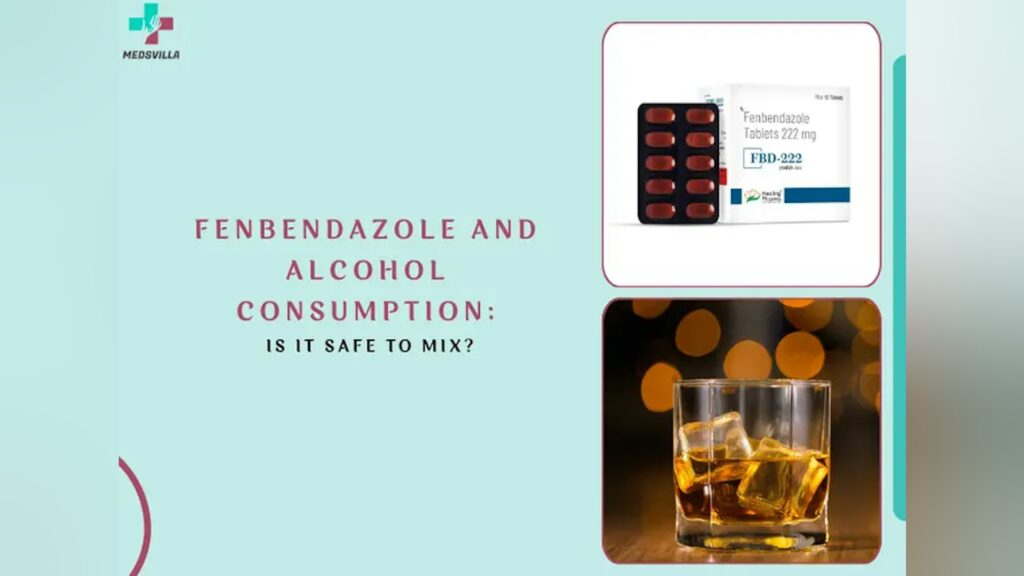
Fenbendazole is a benzimidazole antiparasitic drug used in veterinary medicine. It is available in products intended for animals, including dogs, cats, horses, and other species. Because fenbendazole is not an FDA-approved human medicine, questions about its use in people require particular caution.
One common question is whether Fenbendazole and Alcohol can be used together. The available information does not establish a reliable safe amount of alcohol to consume with fenbendazole, particularly when fenbendazole is being considered for human use. Alcohol can interact with medicines in different ways, and the risk depends on the specific drug, dose, health conditions, and other medicines being taken.
What Is Fenbendazole?
Fenbendazole is a broad-spectrum antiparasitic medicine used in veterinary medicine. It belongs to the benzimidazole class and is designed to treat certain parasitic infections in animals.
The FDA lists approved fenbendazole products for veterinary use. These include products marketed for species such as dogs, cats, and horses.
This distinction is important because a medicine approved for animals is not automatically approved for people. The FDA explains that human medicines can be verified through resources such as Drugs@FDA, while animal drugs have separate approval systems.
Fenbendazole and Alcohol: Is There a Known Interaction?
There is not enough high-quality human evidence to establish a specific fenbendazole-and-alcohol interaction or define a safe drinking limit.
That does not mean the combination has been proven safe. Instead, it means there is insufficient evidence to confidently determine what happens when fenbendazole and alcohol are combined in people.
The FDA notes that alcohol can interact with medicines and that drug-alcohol interactions may produce unwanted effects. The type and severity of an interaction can vary depending on the medicine and the person taking it.
For this reason, people should not assume that drinking alcohol while taking fenbendazole is harmless.
Why Is Human Use a Concern?
A major consideration is that fenbendazole is an animal medicine rather than an FDA-approved human treatment.
FDA-approved human medicines undergo evaluation for their intended uses, including safety, effectiveness, quality, and appropriate labeling.
Fenbendazole products approved for animals are formulated and labeled according to veterinary indications. Using an animal drug in a person is therefore not the same as taking a medicine approved for human use.
If you are considering fenbendazole for yourself, speak with a qualified healthcare professional rather than relying on veterinary product labels or online dosing claims.
Can Alcohol Affect Medication Safety?
Alcohol can affect how some medicines work and may increase certain side effects. Depending on the medication, alcohol can contribute to problems such as drowsiness, impaired coordination, stomach irritation, or other adverse effects.
The absence of a documented interaction does not guarantee that combining alcohol with a particular medicine is safe.
Other factors also matter. For example, someone taking several medicines may have a greater risk of interactions than someone taking only one product. Existing liver or other health conditions can also influence medication safety.
What About Fenbendazole Side Effects?
Veterinary fenbendazole products can have side effects, although the effects depend on the animal, product, dose, and circumstances of use.
If a person has taken a veterinary fenbendazole product and develops concerning symptoms, they should contact a healthcare professional or poison-control service for appropriate guidance.
Do not attempt to treat serious symptoms by drinking more water, consuming food, or taking another medicine unless advised by a healthcare professional.
What About Fenbendazole and Ivermectin Products?
Online searches may bring up products marketed as fenbendazole ivermectin pills or fenbendazole ivermectin capsules. These combinations should not automatically be considered appropriate for human use.
Ivermectin has specific approved human uses for certain conditions, but that does not make every product containing ivermectin suitable for people. Fenbendazole has separate veterinary uses and approvals.
The combination of two antiparasitic medicines should only be considered when a qualified healthcare professional determines that both are appropriate for a specific medical situation.
People should also be cautious when searching for the fenbendazole and ivermectin tablets price, because a low price or online availability does not demonstrate that a product is safe, approved, accurately labeled, or appropriate for human use.
Similarly, products promoted as ivermectin and fenbendazole pills for humans should be evaluated carefully. Check the active ingredients, manufacturer, regulatory status, labeling, and intended use before considering any medication.
Should You Avoid Alcohol While Taking Fenbendazole?
Because there is insufficient evidence to establish a safe alcohol combination for human use, avoiding alcohol is a cautious approach if someone has taken fenbendazole and is seeking medical guidance.
More importantly, people should not use fenbendazole in humans simply because it is available as an animal medicine.
If a veterinarian has prescribed fenbendazole for an animal, follow the veterinarian’s instructions. Ask the veterinarian whether alcohol exposure is relevant to the specific animal, medication, dose, and health condition.
What If You Already Mixed Fenbendazole and Alcohol?
If you have already consumed alcohol after taking fenbendazole, do not panic. However, avoid taking additional doses or consuming more alcohol until you have received appropriate advice.
Monitor for unusual or severe symptoms. Seek urgent medical attention if serious symptoms develop.
When seeking help, provide the healthcare professional with the product name, active ingredients, amount taken, time it was taken, amount of alcohol consumed, and any other medicines or supplements involved. This information can help professionals assess the situation.
How to Use Antiparasitic Medicines Safely
The safest approach is to use medicines for their approved purpose and under appropriate professional guidance.
Before taking an antiparasitic product, consider:
- Whether the medicine is approved for human or veterinary use
- What condition it is intended to treat
- The active ingredient and strength
- Possible drug interactions
- Your other medicines and supplements
- Any relevant medical conditions
- Whether alcohol or certain foods should be avoided
The FDA recommends checking reliable drug information and discussing potential interactions with a healthcare professional when questions arise.
Final Thoughts
The question of Fenbendazole and Alcohol does not have a simple evidence-based answer for human use because fenbendazole is a veterinary medicine and there is insufficient human evidence to establish a safe alcohol combination.
Rather than assuming that alcohol is safe with fenbendazole, avoid self-treatment and discuss any planned or recent use with a qualified healthcare professional. Products marketed online as fenbendazole ivermectin pills, fenbendazole ivermectin capsules, or ivermectin and fenbendazole pills for humans should receive particular scrutiny because availability online does not establish approval or safety.
For veterinary use, follow the product label and your veterinarian’s instructions. For human health concerns, use medicines that are appropriately approved and prescribed for people.