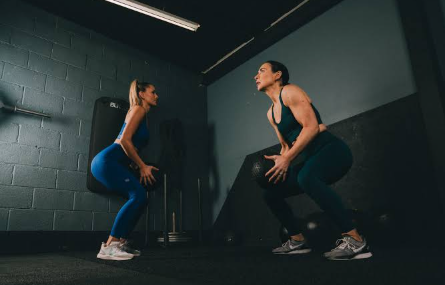
Walking into the gym in the wrong outfit can throw off an entire workout. Restrictive fabric, shorts that ride up during squats, or a hoodie that traps heat instead of releasing it, these small annoyances add up and pull focus away from actual training. A functional fitness wardrobe isn’t about chasing trends; it’s about building a rotation of pieces that move with you, hold up over time, and genuinely support the way you train.
This guide breaks down how to think about building that wardrobe from the ground up, piece by piece, so every item in your gym bag actually earns its place.
Why a Functional Wardrobe Matters More Than You Think
Fitness apparel isn’t just about looking good in the mirror, though that matters too. The right gear affects mobility, temperature regulation, and even motivation. Tight-but-flexible compression shorts allow full range of motion during heavy lifts, while breathable fabrics prevent overheating during high-intensity cardio sessions. Wearing gear that fights against your movement, rather than supporting it, can quietly sabotage form and performance over time.
Brands built specifically around this balance of comfort and style, like YoungLA, understand that fitness apparel needs to function first and look good second, without sacrificing either. For students building a wardrobe on a budget, keeping an eye out for a YoungLA student promo code can make it easier to stock up on quality pieces without overspending.
Start With the Foundation: Shorts and Bottoms
Bottoms are arguably the most important piece of any fitness wardrobe, since they take the most direct impact from squats, lunges, and dynamic movement. Look for shorts with a bit of stretch, secure waistbands, and fabric that doesn’t cling uncomfortably during sweat-heavy sessions. Compression shorts work well as a base layer under looser shorts for extra support during heavy lifting days.
For lower-intensity days or recovery sessions, joggers and sweatpants with a relaxed fit offer comfort without sacrificing mobility. Having a mix of both tighter, performance-focused bottoms and looser, casual options covers the full range of training styles.
Layering Pieces: Hoodies, Jackets, and Long Sleeves
Temperature control matters just as much as flexibility. A good hoodie or zip-up jacket should be easy to remove mid-workout as your body warms up, without disrupting your session. Lightweight long sleeves work well for outdoor training in cooler weather, offering coverage without the bulk of a full jacket.
Layering pieces also double as everyday streetwear, which is part of why fitness-focused hoodies and jackets have become such a staple outside the gym as well. Choosing pieces with durable stitching and quality fabric means they’ll hold up through frequent washing without losing shape.
Tops That Actually Move With You
Tanks and t-shirts might seem like the simplest part of a fitness wardrobe, but fit matters more than people realize. Overly baggy shirts can get in the way during certain exercises, while shirts that are too tight restrict movement and trap heat. Look for athletic cuts designed specifically for training, with breathable fabric that wicks moisture rather than absorbing it.
Having a handful of go-to tanks and tees in different weights, lighter for summer training and slightly heavier for cooler months, ensures you’re never caught without the right top for the conditions.
Don’t Overlook Accessories
Accessories often get treated as an afterthought, but items like gym bags, hats, and lifting accessories genuinely improve the training experience. A well-designed gym bag with separate compartments keeps shoes, towels, and shaker bottles organized. Hats and beanies aren’t just style choices either; they help manage sweat and hair during intense sessions.
Building out these smaller pieces gradually, rather than all at once, allows you to figure out what you actually use regularly versus what sits unused in a drawer.
Building a Wardrobe on a Student Budget
Fitness apparel can get expensive quickly, especially when building a full wardrobe from scratch. The key is prioritizing versatile, durable pieces over trendy items that might not get regular wear. A few solid pairs of shorts, a couple of reliable hoodies, and several tops that mix and match easily will take you further than a closet full of items you rarely wear.
Watching for seasonal sales, restocks, and student-specific offers is one of the most practical ways to build out a quality wardrobe without straining a tight budget. Many fitness brands run promotions specifically aimed at students, making it worth checking before committing to full-price purchases.
Prioritize Fabric Quality Over Flash
It’s tempting to choose pieces based purely on color or design, but fabric quality determines how long an item actually lasts. Cheaper materials tend to pill, stretch out, or lose shape after just a few washes, while well-constructed pieces maintain their fit and function through months of regular use.
Reading product descriptions carefully and paying attention to fabric composition, rather than just the visual design, helps avoid wardrobe pieces that look great on day one but fall apart within weeks.
Rotate and Reassess Regularly
A functional wardrobe isn’t static. As training styles evolve, whether shifting toward more strength training, more cardio, or outdoor workouts, wardrobe needs shift too. Periodically reassessing what gets worn regularly versus what’s been sitting unused helps keep the wardrobe lean and genuinely functional, rather than cluttered with impulse purchases.
Final Thoughts
Building a functional fitness wardrobe comes down to prioritizing pieces that support how you actually train, rather than chasing trends for their own sake. Starting with solid bottoms, adding versatile layering pieces, choosing tops that move with you, and rounding things out with practical accessories creates a wardrobe that works as hard as you do.
Brands like YoungLA, known for combining comfort, durability, and style, make it easier to build that kind of wardrobe piece by piece, especially for students looking to stretch their budget without compromising on quality.
FAQ’s
What should be the first piece I buy for a fitness wardrobe?
Start with a solid pair of training shorts or leggings, since bottoms take the most direct impact during workouts. A well-fitted, flexible pair supports mobility across nearly every type of training.
How many gym outfits do I actually need?
Most people find three to five complete outfits sufficient for a weekly training rotation, allowing time for washing between sessions without needing to overbuy.
Is expensive fitness apparel always better quality?
Not necessarily. Price often reflects brand and design rather than durability alone. Checking fabric composition and reviews is a more reliable way to judge long-term quality than price alone.
How can students save money on fitness apparel?
Watching for seasonal sales, restocks, and student-specific promo codes is one of the most effective ways to build a quality wardrobe without overspending, especially when buying from brands that run regular promotions.