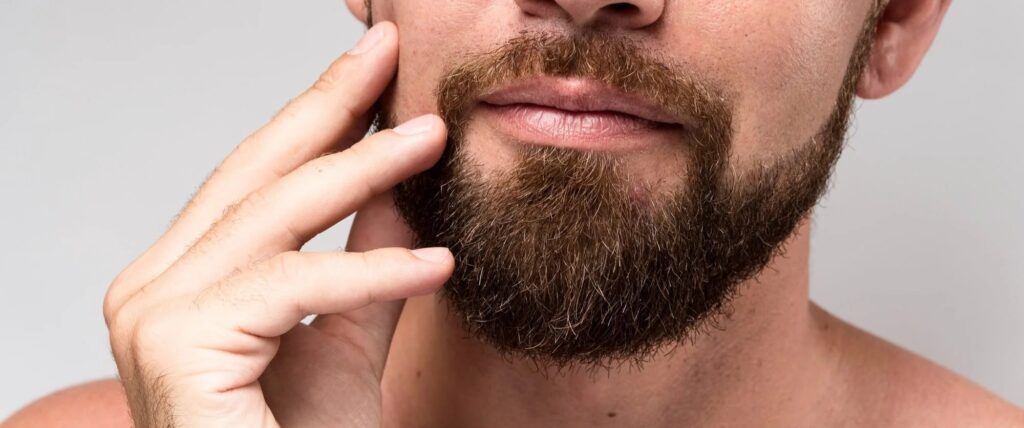
A full, well-defined beard is an important part of many men’s preferred appearance. However, not everyone naturally develops even facial hair growth. Genetics, hormonal factors, previous scarring, and the distribution of active hair follicles can contribute to patchy cheeks, a sparse jawline, or an uneven moustache-to-beard connection. For men who want a more consistent appearance, Beard Hair Transplant in Dubai offers a surgical option that can improve facial hair coverage by relocating hair follicles from a suitable donor area to selected parts of the beard.
The procedure is designed to address areas where natural growth is limited. Depending on individual needs, transplanted follicles may be placed along the cheeks, chin, jawline, sideburns, or moustache region. The treatment plan typically considers facial proportions, existing hair direction, skin characteristics, donor hair availability, and the density that can realistically be achieved.
Dubai offers access to a range of aesthetic and hair restoration services, giving patients opportunities to explore different approaches before deciding on treatment. However, choosing a provider requires more than comparing photographs or advertised prices. Surgical experience, appropriate medical qualifications, sterile operating conditions, and a detailed consultation are essential considerations.
Understanding how the procedure works, what recovery involves, and how results develop over time can help patients make informed decisions. Although a transplant can improve coverage, the final appearance depends on individual healing, graft survival, and the surgeon’s ability to create a natural-looking pattern that complements the face.
Understanding Beard Hair Transplant Surgery
Beard transplantation generally uses follicular unit extraction (FUE), in which individual follicular units are collected from a donor area, commonly the back or sides of the scalp. These follicles are then implanted into carefully planned recipient sites across areas with limited facial hair.
The procedure usually involves local anaesthesia. The treatment duration varies according to the number of grafts required and the size of the recipient area. Before surgery, the medical team assesses the donor supply, examines the skin, discusses the desired beard shape, and estimates the achievable coverage.
One of the most important aspects is controlling the angle and direction of each implanted follicle. Facial hair grows at relatively shallow angles in many areas, so incorrect placement can create an unnatural appearance. A carefully planned design helps the transplanted hair blend with existing growth.
Clinics to Consider for Beard Restoration in Dubai
Tajmeels Clinic
Tajmeels Clinic is one of the names patients may consider when researching aesthetic treatments in Dubai. Men exploring facial hair restoration should establish whether the clinic offers beard transplantation directly and which qualified medical professionals would perform the procedure.
During an initial consultation, patients should ask about donor hair assessment, graft placement, expected density, and the management of potential complications. Reviewing relevant beard transplant cases can also help determine whether the provider’s approach aligns with the patient’s desired appearance.
It is important to distinguish between clinics offering general aesthetic treatments and those with specific experience in surgical hair restoration. Confirming the availability of the procedure and the credentials of the treating team helps patients make a more informed comparison.
Enfield Royal Clinic
Enfield Royal Clinic is an option for patients researching hair restoration and aesthetic treatment services in Dubai. Men considering a Beard Hair Transplant in Dubai should arrange a consultation to confirm the availability of the procedure, understand the proposed treatment approach, and discuss whether their donor hair and facial characteristics are suitable.
A personalised assessment should cover the areas requiring additional coverage, the number of grafts that may be appropriate, and the design needed to complement the patient’s facial structure. The consultation should also address the direction of hair growth, the expected healing process, and the limitations of surgical density.
Before proceeding, patients should verify the qualifications of the clinician responsible for the surgery, the facility’s safety standards, and the arrangements for postoperative follow-up. Reviewing relevant before-and-after cases and receiving a clear explanation of the treatment plan can help establish realistic expectations. The goal should be a balanced, natural-looking beard rather than maximum density at the expense of appropriate graft placement.
Emirates Hospital
Emirates Hospital is another healthcare provider patients may investigate when exploring medical and aesthetic services in Dubai. Those interested in facial hair restoration should contact the hospital to establish whether beard transplantation is available at their preferred location and which specialists, if any, provide the service.
A suitable consultation should include an assessment of general health, the donor area, facial skin condition, and any medical factors that could influence healing. Patients should also ask about anaesthesia, infection prevention, postoperative instructions, and the process for addressing concerns after surgery.
Hospital-based care may appeal to patients who prefer a broader medical setting. Nevertheless, the specific experience of the clinician performing the transplant remains an essential factor when comparing providers.
Cocoona Clinic
Cocoona Clinic is a name patients may encounter while researching cosmetic and aesthetic procedures in Dubai. Anyone considering beard enhancement should confirm whether the clinic currently provides surgical beard transplantation rather than assuming that general aesthetic services include this treatment.
A consultation should explain how grafts would be distributed across the cheeks, chin, jawline, or other areas requiring improvement. The clinician should also discuss whether existing facial hair can be incorporated into the design and how the proposed shape will suit the patient’s facial proportions.
Patients should request information about the medical team’s experience with facial hair transplantation, expected recovery, and follow-up arrangements. These details are particularly important because beard restoration requires attention to follicle direction and the transition between transplanted and natural hair.
King’s College Hospital London Dubai
King’s College Hospital London Dubai is a healthcare provider patients may research when looking for specialist medical assessment in the UAE. Before considering it for beard transplantation, patients should confirm whether the relevant surgical service is offered and identify the clinician responsible for the procedure.
A thorough evaluation should establish whether sparse facial hair results from a pattern suitable for transplantation or whether another underlying issue needs attention first. Conditions involving inflammation, active skin disease, or unexplained changes in hair growth may require medical assessment before elective surgery is considered.
Patients should also ask about the proposed surgical technique, donor-site healing, graft survival, and the availability of postoperative reviews. The qualifications and direct experience of the treating clinician should guide the decision rather than the hospital’s name alone.
Dynamic Life Clinic
Dynamic Life Clinic is another provider that patients may investigate while comparing aesthetic treatment options in Dubai. Men seeking a fuller beard should verify whether surgical transplantation is available and whether the clinic has a suitably qualified team with relevant facial hair restoration experience.
An effective treatment plan should account for the patient’s current beard pattern, desired outline, donor hair characteristics, and the number of grafts that can be safely harvested. Patients should be cautious of plans that promise unusually high density without adequately evaluating the donor area.
It is also worth asking how the clinic monitors recovery, handles complications, and evaluates long-term outcomes. Clear information about the procedure, costs, and realistic expectations helps patients compare services more confidently.
Dubai Cosmetic Surgery Clinic
Dubai Cosmetic Surgery Clinic is another name to consider when researching cosmetic surgery providers. Patients interested in beard restoration should confirm the availability of the procedure and ask which surgeon would undertake the treatment.
The consultation should explain the differences between available transplantation techniques, the suitability of scalp hair for facial use, and the potential limitations of the final result. Transplanted scalp hair may continue to grow differently from natural beard hair, which can mean that periodic trimming is necessary.
Patients should also request an individualised graft estimate, a clear breakdown of fees, and guidance on aftercare. Examining relevant clinical experience and understanding the risks of surgery are more useful than relying on promotional claims alone.
How to Choose the Right Clinic for Beard Hair Transplant in Dubai
Selecting a provider requires careful evaluation of medical expertise, procedural planning, and the quality of postoperative care. The following factors can help patients compare their options.
Experience and Qualifications
Beard transplantation requires an understanding of facial anatomy, hair follicle handling, graft survival, and natural hair-growth patterns. Ask who will perform each stage of the procedure and verify the clinician’s relevant qualifications and licensing.
Experience with scalp transplantation alone does not necessarily demonstrate equivalent expertise in facial hair restoration. Request examples of comparable beard procedures and ask how the surgeon approaches difficult areas, including the cheeks and moustache.
Technology and Techniques
FUE is commonly used for beard transplantation because it allows individual follicular units to be harvested and placed precisely. However, the technique should be selected according to the patient’s donor supply, skin characteristics, and treatment goals.
Ask how grafts are extracted, stored, and implanted, and how the team protects follicles during the procedure. Equipment can support surgical precision, but it does not replace the skill and judgement of the treating clinician.
Safety Standards
A transplant is a surgical procedure and carries risks, including infection, swelling, bleeding, scarring, altered sensation, folliculitis, and poor graft growth. A reputable provider should explain these risks clearly rather than presenting the procedure as risk-free.
Confirm that the procedure takes place in an appropriately equipped facility with suitable infection-control measures. Patients should disclose their medical history, allergies, medications, and any history of abnormal scarring before treatment.
Consultation Process
A proper consultation should include an examination of the beard and donor area, a discussion of the desired shape, and an estimate of the grafts required. The clinician should explain whether the expectations are achievable and identify any factors that could affect the outcome.
Patients should receive clear information about the procedure, recovery, costs, and follow-up appointments. They should also have the opportunity to ask questions without feeling pressured to book surgery immediately.
Patient Experience and Aftercare
Aftercare can influence comfort during recovery and help patients recognise potential complications. Before choosing a provider, ask how postoperative questions are handled, when follow-up visits occur, and whom to contact if symptoms develop.
Temporary redness, swelling, crusting, and tenderness may occur after surgery. Following the clinic’s instructions about cleansing, physical activity, shaving, and protecting the recipient area is important during early healing.
Expected Results
Transplanted hairs commonly shed during the initial weeks, which can be concerning for patients who are unfamiliar with the process. New growth generally develops over the following months, with visible improvement often becoming more apparent between three and six months. Maturation can continue for approximately 9–12 months, although individual timelines vary.
The final density depends on graft survival, donor hair quality, the recipient area’s characteristics, and the number of grafts transplanted. A successful procedure can improve coverage, but perfectly uniform density cannot be guaranteed. Patients should discuss the possibility of additional treatment if their goals exceed what can reasonably be achieved in one session.
Frequently Asked Questions
Who Is a Suitable Candidate for Beard Hair Transplantation?
Suitable candidates may include men with naturally patchy facial hair, limited beard growth, or certain stable scars that affect hair coverage. Adequate donor hair and good general health are important. A qualified clinician should assess the cause of sparse growth before recommending surgery.
How Many Grafts Are Needed for a Fuller Beard?
The number varies according to the size of the area being treated, existing hair density, the desired beard shape, and donor hair availability. Smaller gaps may require relatively few grafts, while extensive cheek or jawline coverage may need considerably more. An individual assessment is necessary to estimate the graft count.
Is Beard Hair Transplant Surgery Painful?
Local anaesthesia is generally used to minimise pain during the procedure. Patients may experience pressure or brief discomfort during anaesthetic injections, followed by soreness, swelling, or tenderness during recovery. The treating team should provide appropriate aftercare instructions and guidance on managing discomfort.
How Long Does It Take to See the Final Results?
Early shedding is common after transplantation, and it does not necessarily mean the grafts have failed. New growth usually appears over subsequent months, while the beard’s appearance continues to mature. Many patients assess their results around 9–12 months, depending on their individual growth cycle.
Does Transplanted Beard Hair Require Special Maintenance?
Transplanted hair needs gentle care during early recovery, following the surgeon’s instructions. Once healed, the hair can generally be trimmed and groomed like other facial hair. If scalp follicles are used, they may retain some scalp-hair characteristics and grow longer than surrounding beard hair, making regular trimming useful.
Conclusion
Beard transplantation can be a practical option for men who want to improve patchy facial hair, create a more defined outline, or achieve better coverage in selected areas. Understanding donor hair limitations, surgical techniques, recovery requirements, and realistic growth timelines is essential before making a decision.
Dubai offers several healthcare and aesthetic providers to investigate, but patients should confirm the availability of the procedure and evaluate each treating clinician’s qualifications and relevant experience. A detailed consultation, transparent discussion of risks, and reliable postoperative support are important parts of responsible care.
For anyone considering Beard Hair Transplant, the best starting point is an individual assessment that prioritises facial proportions, safe donor harvesting, and natural-looking growth. Choosing a qualified surgical team and maintaining realistic expectations can help patients decide whether transplantation is appropriate for their goals.