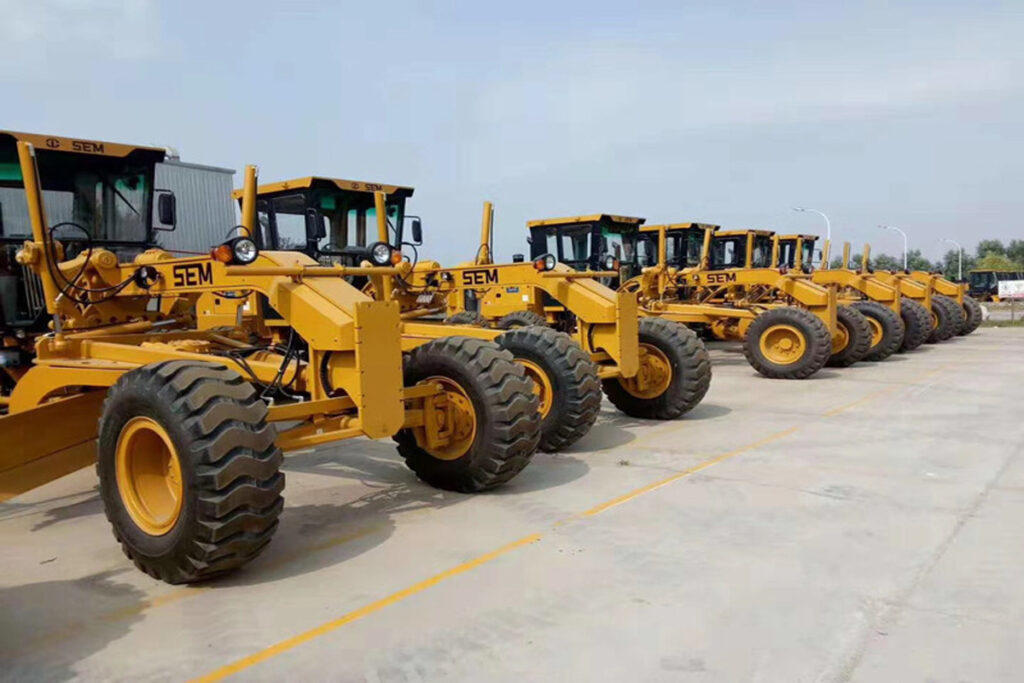
If you have ever stood on a half-finished road in the Qatari summer, you know the grader is the machine everyone is waiting for. Until the surface is level, nothing else can happen. The kerbs, the asphalt and the drainage all depend on it.
So when a contractor starts searching for a grader for sale in Qatar, the decision carries real weight. Buy well, and the machine pays for itself across project after project. Buy badly, and you inherit downtime, rising repair bills and a resale value that has quietly collapsed.
Here is how to approach the purchase like someone who has to live with the result.
Why graders matter so much in Qatar
Qatar’s building programme has not slowed since the run-up to the 2022 World Cup. Under Qatar National Vision 2030, road networks, industrial zones, housing developments and logistics corridors keep expanding. Each one starts with earthmoving and grading.
A motor grader does work that no other machine does as cleanly. It shapes sub-base layers, cuts drainage profiles, spreads material evenly and finishes surfaces to tight tolerances. A dozer pushes, and a loader carries, but the grader makes things level.
For contractors, that means a good grader isn’t a luxury. It’s the machine that decides whether your finishing crew works on schedule or stands idle.
New or used? Be honest about your workload.
The first question is usually budget, but the better question is utilisation.
If the machine will run most days across back-to-back contracts, a new grader makes sense. You get the full warranty, current emissions and operator-comfort features, and predictable maintenance costs for the first few years.
If your work is seasonal or project-based, a well-maintained used grader can be the smarter buy. Plenty of quality used units come onto the market when large projects wrap up. The catch is that a low price means nothing without a service history behind it.
Whichever route you take, work out your expected annual hours first. Buyers who skip this step tend to overspend on capacity they never use, or underspend and pay for it in breakdowns.
Specifications that actually matter
Brochures list dozens of figures. These are the ones worth your attention:
- Engine power and torque. Match these to your typical material and gradient. Underpowered machines struggle in dense, compacted ground.
- Blade width and moldboard design. Wider blades cover more ground per pass, but only if the engine can drive them.
- Operating weight. Heavier machines hold traction better when cutting hard surfaces.
- Transmission and hydraulics. Smooth, responsive controls reduce operator fatigue and improve finish quality over a long shift.
- Cooling system. This is easy to overlook and critical here. Qatar’s heat and dust punish radiators and filters, so check that the cooling package is built for extreme ambient temperatures.
- Grade control options. If your projects demand tight tolerances, ask about GPS or 3D grade control compatibility. These systems cut rework and speed up finishing.
Inspect it like you mean it.
Whether you are buying new or used, do not rely on photographs. If you are looking at a used grader, check these before you sign:
- Service records. Regular maintenance is the best predictor of future reliability. Gaps should raise questions.
- Hours versus condition. Low hours on paper mean little if the machine sat idle in poor conditions. Look for wear on the blade, cutting edges, circle drive and tyres.
- Hydraulic leaks. Check cylinders, hoses and fittings for weeping or repairs.
- Frame and articulation joint. Look for cracks, weld repairs or excessive play.
- Test run. Put it through its paces. Listen to the engine, feel the steering and operate every blade function.
If you are not confident doing this yourself, bring a qualified mechanic. The fee is small compared with what a hidden fault can cost.
Don’t ignore the supplier.
This is where many buyers go wrong. The machine matters, but so does the company standing behind it.
In Qatar’s climate, a grader that is waiting on a part is a grader that is losing you money. Before you buy, ask the supplier:
- Do they stock common spares locally, or import everything on order?
- Do they have trained technicians who can reach your site quickly?
- What does the warranty actually cover, and for how long?
- Can they supply operator training and handover support?
A slightly higher purchase price from a supplier with strong after-sales support often works out cheaper over the machine’s life. A bargain from a seller who disappears after payment rarely does.
Think about total cost, not sticker price.
Experienced fleet managers look at the full picture: fuel consumption, maintenance intervals, tyre and cutting-edge replacement, insurance, and resale value. A grader that costs a little more but burns less fuel and holds its value can easily beat a cheaper rival over five years.
It also pays to check import and registration requirements early, so paperwork does not delay your project start.
Grader for sale (Qatar)
The practical way to start
Begin with your needs, not the catalogue. Write down your typical job types, expected annual hours, site conditions and budget range. Then approach two or three reputable suppliers, compare like with like, and ask for references from other local operators.
Finding the right grader for sale in Qatar isn’t about chasing the lowest number. It’s about choosing a machine and a partner that will keep your sites moving through the heat, the dust and the deadlines.
Take your time on the decision. Your finishing crew and your margins will thank you for it.