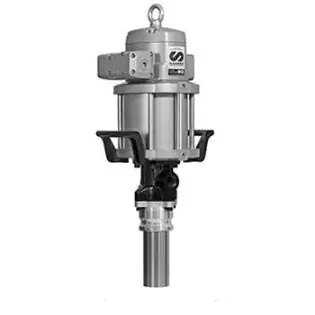
Grease Pump
A grease pump is an essential lubrication tool used to apply grease to bearings, joints, gears, bushings, and other mechanical components that require regular lubrication. By delivering grease under controlled pressure, a grease pump helps reduce friction, prevent premature wear, and extend the operating life of industrial machinery, vehicles, agricultural equipment, and construction equipment.
Proper lubrication is one of the simplest ways to improve equipment reliability. Without sufficient grease, moving components can experience excessive friction, overheating, corrosion, and eventually mechanical failure. A suitable grease pump makes lubrication faster, cleaner, and more efficient while ensuring that the right amount of grease reaches the required lubrication point.
What Is a Grease Pump?
A grease pump is a mechanical or powered device designed to transfer grease from a container or reservoir to a lubrication point. Depending on the application, grease pumps can operate manually, pneumatically, electrically, or through hydraulic systems.
Unlike conventional oil lubrication systems, grease lubrication requires a material with a much thicker consistency. This means specialized equipment is necessary to generate enough pressure to move grease through hoses, pipes, fittings, and dispensing nozzles.
Grease pumps are commonly used in workshops, garages, manufacturing plants, mining operations, transportation fleets, construction sites, and agricultural environments.
How Does a Grease Pump Work?
The basic operating principle of a grease pump is relatively simple. Grease is stored inside a reservoir or cartridge connected to the pump. When the pump is activated, a plunger or pumping mechanism draws grease into the pump chamber. Pressure is then generated to push the grease through an outlet hose and into the lubrication fitting.
Depending on the design, the pump may use a lever, handle, pneumatic motor, electric motor, or other power source to create pressure.
A typical grease lubrication process involves:
- Filling or installing the grease cartridge in the pump.
- Connecting the appropriate hose or extension.
- Attaching the coupler to the grease fitting.
- Operating the pump to generate pressure.
- Delivering grease into the component.
- Removing the coupler and cleaning the fitting.
The correct pressure and grease quantity depend on the equipment manufacturer’s recommendations.
Types of Grease Pumps
Grease pumps are available in several designs to accommodate different applications and operating conditions.
1. Manual Grease Pump
Manual grease pumps are operated by hand and are among the most common options for basic maintenance work. Lever-operated and pistol-grip grease guns are examples of manual systems.
They are affordable, portable, and easy to use, making them suitable for garages, small workshops, agricultural machinery, and vehicle maintenance.
However, manual pumping can become tiring when many lubrication points need to be serviced.
2. Pneumatic Grease Pump
Pneumatic grease pumps use compressed air to move grease. They are commonly used in industrial workshops, service centers, and applications where frequent lubrication is required.
Because compressed air supplies the pumping force, pneumatic systems can reduce operator effort and provide consistent grease delivery. They are particularly useful when servicing multiple machines or lubrication points.
3. Electric Grease Pump
Electric grease pumps use an electric motor to pressurize and dispense grease. Many models are battery-powered, providing greater mobility without requiring an air compressor.
Electric pumps are useful for maintenance teams that need to lubricate equipment quickly and frequently. Battery-powered models can be especially convenient in remote areas and construction environments.
4. Hydraulic Grease Pump
Hydraulic grease pumps use hydraulic power to transfer grease under pressure. They are generally designed for demanding industrial applications where high pressure and continuous operation are required.
These systems can be integrated into larger centralized lubrication systems or specialized machinery.
5. Automatic Grease Pump
Automatic grease pumps deliver grease according to a programmed schedule or controlled operating cycle. They are commonly used in industrial machinery, manufacturing equipment, conveyor systems, and other applications where regular lubrication is critical.
Automatic lubrication reduces the need for manual intervention and can help prevent both under-lubrication and excessive lubrication.
Common Applications of Grease Pumps
Grease pumps are used across many industries because numerous mechanical components depend on grease lubrication.
Automotive Maintenance
Vehicles contain numerous components that may require grease, including suspension components, chassis parts, bearings, and joints. Grease pumps allow technicians to apply lubricant efficiently during scheduled maintenance.
Construction Equipment
Excavators, loaders, cranes, bulldozers, and other heavy equipment operate under demanding conditions. Their pins, bushings, bearings, and joints can experience high loads and contamination. Regular greasing helps protect these components and reduce downtime.
Agricultural Machinery
Tractors, harvesters, balers, and other agricultural machines contain numerous moving parts that require lubrication. Grease pumps make routine maintenance easier, particularly when equipment is operating in dusty, muddy, or outdoor environments.
Manufacturing
Factories rely on machinery that may operate continuously for extended periods. Bearings, gears, motors, conveyor systems, and other components often require consistent lubrication. Industrial grease pumps can support routine maintenance and automated lubrication programs.
Mining
Mining equipment operates in harsh environments involving heavy loads, dust, vibration, and extreme operating conditions. High-pressure grease pumps are frequently used to lubricate critical machinery and help reduce component wear.
Benefits of Using a Grease Pump
Using an appropriate grease pump provides several important maintenance benefits.
Improved Lubrication
A grease pump helps deliver lubricant directly to the required point. This ensures that grease reaches bearings, joints, and other components where it is needed.
Reduced Wear
Adequate lubrication creates a protective layer between moving surfaces. This reduces metal-to-metal contact and can help minimize wear.
Extended Equipment Life
Consistent lubrication can help mechanical components operate more efficiently and remain in service longer. Regular maintenance may also reduce the frequency of costly component replacements.
Increased Productivity
Efficient lubrication reduces the time required for maintenance. Powered grease pumps can be particularly beneficial when servicing large machines with numerous lubrication points.
Reduced Downtime
Unexpected equipment failures can be expensive. Maintaining an appropriate lubrication schedule helps reduce the risk of lubrication-related breakdowns and supports more reliable equipment operation.
Cleaner Application
A properly designed grease pump can provide controlled delivery and reduce grease waste. Accessories such as flexible hoses, rigid extensions, and couplers allow technicians to reach difficult lubrication points.
How to Choose the Right Grease Pump
Selecting the right grease pump depends on the application, grease type, required pressure, frequency of use, and operating environment.
First, determine how frequently the equipment requires lubrication. Occasional maintenance may only require a manual pump, while intensive industrial applications may benefit from pneumatic, electric, or automatic systems.
Next, consider the pressure requirements. Heavy-duty equipment may require a high-pressure pump capable of delivering grease through resistant fittings and long lubrication lines.
The grease compatibility is also important. Greases have different viscosities and performance characteristics. The pump should be suitable for the grease recommended by the equipment manufacturer.
Reservoir capacity is another consideration. A larger reservoir reduces the frequency of refilling, while a smaller unit may be more portable.
Finally, consider the environment. If the pump will be used outdoors or in demanding industrial conditions, look for durable construction and components designed to withstand dust, moisture, vibration, and regular use.
Best Practices for Using a Grease Pump
Correct operation is essential for effective lubrication. Before applying grease, clean the grease fitting to prevent dirt and contaminants from entering the component.
Always use the grease specified by the equipment manufacturer. Mixing incompatible greases can affect lubrication performance and potentially damage components.
Apply the recommended amount of grease rather than assuming that more is better. Over-lubrication can increase operating temperatures and damage certain bearings and seals.
Inspect hoses, couplers, seals, and fittings regularly. Damaged components can cause leaks, contamination, or pressure loss.
It is also useful to maintain a lubrication schedule. Recording when equipment was greased and which components were serviced can help maintenance teams identify problems and avoid missed lubrication intervals.
Maintaining a Grease Pump
A grease pump itself requires regular care. Keep the equipment clean and protected from dust and moisture. Inspect the reservoir and seals for damage and check hoses for cracks or leaks.
When changing grease cartridges or refilling a reservoir, prevent dirt from entering the grease. Contaminated grease can transfer particles directly into machinery and accelerate component wear.
For pneumatic and electric pumps, follow the manufacturer’s maintenance instructions. Battery-powered units should also be stored and charged according to the manufacturer’s recommendations.
Conclusion
A grease pump is a valuable tool for maintaining mechanical equipment and ensuring reliable lubrication. From simple manual pumps used in automotive workshops to high-pressure pneumatic, electric, hydraulic, and automatic systems used in industrial environments, there is a grease pump for virtually every maintenance requirement.
Choosing the correct pump, using compatible grease, applying the recommended quantity, and following a consistent lubrication schedule can help reduce friction, minimize wear, extend component life, and prevent avoidable equipment downtime.
For businesses that depend on heavy machinery or continuously operating equipment, investing in an appropriate grease pump is not simply a maintenance convenience. It is an important part of a broader preventive maintenance strategy that supports equipment reliability, productivity, and long-term operating efficiency.