A missing torque wrench does more than delay a repair. It can interrupt a shift, trigger an unnecessary replacement purchase or leave a job unfinished while staff search for equipment. In busy workshops, the challenge is not simply finding space for tools; it is knowing what is available, what is in use and what needs attention. A structured storage system can turn that uncertainty into a repeatable routine.
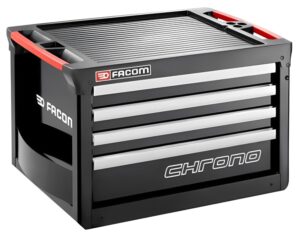
A Facom 4 Drawer Tool Chest is one example of a compact drawer-based storage solution that can anchor such a routine. Rather than examining an individual model, this guide explores how tool accountability, visual controls and practical handovers help technicians work efficiently. The same principles apply to automotive garages, engineering departments and small maintenance teams.
What Does Tool Accountability Mean in a Workshop?
Tool accountability means knowing which tools a team owns, where they belong, who has borrowed them and whether they are fit for use. It does not require complicated software. A simple inventory, clear storage locations and an agreed return procedure can provide a useful starting point.
The aim is to reduce uncertainty without making every task bureaucratic. Common tools should be easy to retrieve, and missing or damaged equipment should be identified before it disrupts the next job.
How Can the 5S Method Improve Tool Storage?
The 5S approach offers a practical framework for improving workplace organisation. Its five principles are sort, set in order, shine, standardise and sustain. Applied to tool storage, they encourage teams to keep necessary items, assign clear locations and maintain those standards over time.
What Steps Can a Team Start With?
- Sort: Remove broken, duplicate or obsolete items for appropriate assessment.
- Set in order: Give each tool a defined location that reflects how often it is used.
- Shine: Clean tools and check for defects as they are returned.
- Standardise: Use consistent labels, inventories and return expectations.
- Sustain: Review the arrangement regularly and correct problems early.
A chest becomes more useful when these habits are followed consistently, not when every drawer is simply filled.
Why Are Visual Controls Better Than Memory Alone?
Experienced technicians often remember where their own equipment belongs, but that knowledge may not transfer across shifts. Simple visual controls, such as labelled positions or inventory outlines, help another worker recognise what should be present.
Missing-item indicators are particularly helpful for shared tools. However, labels should describe the actual contents, and records should be updated when equipment changes. A tidy-looking drawer is not evidence that every essential tool has been checked.
How Should Storage Work With the Wider Workstation?
A chest works best when it is part of a larger workflow. Equipment used constantly might need to be visible at the workbench, while less frequently used items can stay in drawers. This reduces unnecessary opening, closing and movement during repetitive tasks.
Properly installed Tool Racks, Hooks & Holders can complement drawer storage by keeping selected everyday items accessible without covering the bench. Mounting arrangements must support the tool weight, avoid sharp projections and leave safe working space.
What Should Happen When Someone Borrows a Shared Tool?
For expensive or critical equipment, a straightforward check-out process can prevent disputes and lost time. Record the item, borrower, intended job and expected return. Smaller workshops may use a board or paper register; larger teams might use an existing asset system.
The process should match the risk. Tracking a calibrated instrument is often more important than recording every ordinary screwdriver. When equipment returns, check for damage and confirm that its required calibration or inspection status remains valid.
How Can a Four-Drawer System Support Shift Handovers?
A useful handover answers three questions: What tools are missing, what has been damaged and what work remains incomplete? Teams can review essential equipment together, identify anything issued to another workstation and report faults before the next technician starts.
Before a shift changes, one named person can scan the checklist and note any items undergoing repair. This avoids assuming that an empty slot means a colleague simply moved a tool, and it makes shortages visible.
Preassembled Tool Kits can help standardise recurring maintenance tasks when their contents are verified before and after use. A checklist gives the next shift a clearer picture of readiness without relying on verbal explanations alone.
Why Does Tool Condition Matter as Much as Tool Location?
A returned tool may still be unsuitable for work. Look for cracked handles, damaged sockets, worn cutting edges and other defects relevant to the item. Measuring and torque equipment may also require periodic checks under the site’s quality procedures.
Keep oily or damp tools away from sensitive instruments where practical. Remove defective items from service and record any replacement needs rather than leaving them in a drawer for the next user.
How Can Workshops Measure Whether Their Storage System Works?
Useful measures include time spent searching for tools, repeat purchases, missing items at handover and the number of damaged tools found during checks. Compare results over several weeks rather than judging improvement from one unusually quiet day.
If delays continue, investigate whether storage locations match real tasks. A good system evolves with the team’s work instead of forcing everyone to follow an inconvenient arrangement.
What Is the Best Way to Keep Tools Ready for the Next Job?
Reliable storage combines accessible locations, accurate inventories and clear responsibility. A fixed chest can support daily operations, while suitable Tool Bags can help technicians carry a verified selection of equipment to work away from the main bench. When each tool is checked, returned and maintained consistently, workshops spend less time searching and more time completing safe, high-quality work.