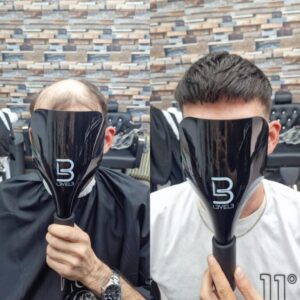
Hair replacement systems offer men a practical way to improve the appearance of thinning hair without undergoing surgery. However, choosing the right hair system is only one part of the process. Another important decision is how the system will be attached to the scalp. Different attachment methods provide different levels of hold, flexibility and convenience. Some are designed for men who prefer to remove their hair systems regularly. Others are suitable for people who want a more secure attachment for everyday activities.
Men exploring hair system attachment methods of professional non-surgical hair replacement options can learn more at https://www.londonhairreplacement.co.uk/. Understanding the available attachment methods can help you make a better decision before getting a hair system fitted. Your scalp condition, daily routine, lifestyle and personal preferences all play a role in choosing the right option.
Why Is the Attachment Method Important?
The attachment method determines how securely a hair system stays in place. It also affects how easily the system can be removed, cleaned and maintained. A suitable attachment method should provide a comfortable fit without causing unnecessary pressure on the scalp. It should also allow the hair system to sit naturally against the head.
Not every attachment method works equally well for everyone. For example, someone who exercises regularly may have different requirements from someone who spends most of their day working indoors. The type of hair system also matters. Lace, skin and other base materials have different characteristics. Some work better with particular adhesives or tapes. Choosing an unsuitable product can affect the attachment and make maintenance more difficult.
For this reason, it is important to consider the hair system and its attachment method together rather than treating them as separate decisions.
Hair System Tape Attachment
Hair system tape is one of the most commonly used methods for securing a hair replacement system. It uses specially designed double-sided adhesive tape to connect the base of the system to the scalp. The tape is usually applied to selected areas around the perimeter or underside of the hair system. Once positioned correctly, the system is placed against the prepared scalp and pressed gently to create a secure connection.
One of the main advantages of tape is its straightforward application. It is often easier to handle than liquid adhesive, especially for people who are new to wearing hair systems. Tape also makes removal and cleaning relatively simple when the correct products and techniques are used. The wearer can remove the system when maintenance is needed, clean the base and apply fresh tape.
However, the holding strength depends on several factors. Natural scalp oils, perspiration, temperature and daily activity can affect how well the tape performs. Different tapes are also designed for different purposes. Some are intended for shorter wear, while others are made for longer attachment periods. The manufacturer’s instructions should always be followed.
Liquid Adhesive Attachment
Liquid adhesive is another popular option for attaching men’s hair systems. It creates a bonding layer between the scalp and the base material. Unlike tape, which comes in strips, liquid adhesive is applied directly to the intended bonding area. It is generally spread in thin, even layers and allowed to reach the recommended drying stage before the hair system is positioned.
This method offers flexibility because the adhesive can be applied to specific areas. It can also help create a smooth attachment around the front hairline. Many people choose liquid adhesive when they want a flatter finish, particularly around areas where the attachment may be more visible.
However, applying liquid adhesive requires care and patience. Using too much product can create an uneven surface or cause residue to spread into the hair system. The scalp must also be properly prepared. Oil, moisture and leftover adhesive can affect the quality of the bond.
Different liquid adhesives have different drying and curing requirements. Some are designed for shorter wear, while others are intended for extended attachment. It is important not to assume that every product offers the same results.
Combination Attachment Using Tape and Liquid Adhesive
Some hair system wearers prefer to combine tape and liquid adhesive. This approach uses both methods in different areas of the hair system. For example, tape may be applied around the sides and back, while liquid adhesive is used near the front hairline. This allows each product to serve a particular purpose.
The combination method can be useful when someone wants the convenience of tape along the perimeter and a smooth finish at the front.It also provides flexibility when working with different base materials. A stylist can select the attachment products according to the design and construction of the hair system.
However, combining adhesives does not automatically make an attachment better or stronger. The products must be compatible with each other and suitable for the system’s base material.Correct application is equally important. Applying products in the wrong areas or using excessive adhesive can make removal more difficult.Professional guidance can help determine whether a combination method is appropriate for a particular hair system.
Clip-In Hair System Attachment
Clip-in attachment is a removable option that uses small clips to secure the hair system to existing natural hair.The clips are generally attached to the underside of the hairpiece. They grip suitable sections of natural hair and hold the system in position. One advantage of this method is that it does not require adhesive to attach the system. The wearer can remove it when necessary without going through a complete adhesive removal process.
Clip-in systems may be suitable for people who have enough healthy and stable natural hair in the areas where the clips need to attach. However, they are not suitable for every type of hair loss. Men with extensive bald areas may not have enough natural hair to support the clips. Repeated pressure in the same areas may also cause discomfort or put stress on existing hair. The clips must therefore be positioned carefully. Another consideration is that clips may create small areas of tension. This can affect comfort, particularly when the system is worn for long periods.
A professional assessment can help establish whether this method is suitable.
Bonding Methods for Different Hair System Bases
The attachment method should always be considered alongside the base material of the hair system. The base is the part that sits against the scalp and supports the attached hair. Lace systems are known for their lightweight construction and breathable design. Their delicate material requires careful handling during attachment and removal. Special attention is needed around the front hairline because excess adhesive can collect in the lace.
Skin and polyurethane systems have a different construction. They often provide a smooth surface that can work with suitable tapes or liquid adhesives. The exact product depends on the thickness and design of the base. Some systems also use hybrid construction. These combine different materials to provide specific features in different areas. For example, a system may have a lace front and a skin perimeter. This design can influence which attachment method is most suitable. A product that works well on one section may not be appropriate for another. Following the manufacturer’s instructions helps protect the base and maintain the quality of the system.
What Factors Affect the Strength of a Hair System Attachment?
Even when the correct attachment method is selected, several factors can influence how well it performs. Scalp condition is one of the most important considerations. Excess oil, moisture and leftover adhesive can prevent a new bond from forming properly. The scalp should be clean and completely dry before attachment. Perspiration can also affect the results. Men who exercise frequently or spend time in warm environments may notice that their attachment requires more regular attention.
The quality and suitability of the adhesive matter as well. Products designed for hair systems should be selected according to the base material and intended wear period. Application technique is another important factor. Uneven placement, excessive adhesive or insufficient drying time can lead to problems. Finally, the fit of the hair system itself should not be overlooked. A poorly fitted system may lift around the edges or create unnecessary pressure, even when a suitable adhesive is used. A secure attachment depends on the right combination of preparation, product selection and fitting technique.
How to Prepare Your Scalp Before Attaching a Hair System
Proper preparation helps create a more reliable attachment. It also makes regular maintenance easier. The first step is to remove any remaining adhesive from the previous application. A suitable remover should be used according to the product instructions. Pulling the system away while the adhesive is still firmly attached can damage the base and irritate the scalp. The scalp should then be cleaned to remove oil, dirt and product residue. It must be completely dry before applying fresh tape or adhesive. The hair system should also be checked. Old adhesive, dirt and loose residue should be removed from the base using products that are safe for its material.
Before attachment, the system should be positioned carefully. The hairline needs to be aligned correctly so that the finished result looks natural. Once the system is in place, the attachment should be checked around the edges. There should be no obvious lifting, uneven sections or uncomfortable pressure. People who are unsure about the process should consider professional fitting rather than experimenting with different adhesives.
How Often Should a Hair System Attachment Be Replaced?
There is no single replacement schedule that works for every wearer. The required maintenance period depends on the adhesive, tape, scalp condition and lifestyle. Some people prefer daily or short-term attachment. Others choose longer bonding periods and arrange regular maintenance appointments. Tape and liquid adhesive also behave differently. Their performance depends on the specific product and how it is used.
Signs that maintenance may be needed include lifting around the edges, reduced holding strength, visible residue and discomfort. It is not advisable to wait until the system becomes loose before arranging maintenance. Regular checks can help identify problems before they affect the fit. The removal and reattachment process should always be carried out carefully. If the system feels unusually tight or causes irritation, it should be assessed rather than left untreated.
Can the Wrong Attachment Method Damage a Hair System?
Using an unsuitable attachment method can create problems for both the hair system and the scalp. For example, strong adhesive may be difficult to remove from delicate lace if it is not compatible with the material. Rough removal can stretch the base, damage the hair knots or affect the front hairline. Using unsuitable products may also cause skin irritation. Some people are more sensitive to particular adhesive ingredients than others. Another common mistake is applying new adhesive over old residue. This can lead to an uneven bond and make future cleaning more difficult.
It is also important to avoid using household glue or ordinary double-sided tape. These products are not designed for direct use with hair replacement systems. If redness, itching, swelling or discomfort develops, the attachment should be assessed and the product discontinued where appropriate. Persistent skin reactions should be discussed with a healthcare professional. Choosing products specifically designed for hair systems and following their instructions can help reduce avoidable problems.
How to Choose the Right Hair System Attachment Method
The best attachment method depends on how you plan to wear your hair system. If you prefer to remove your system regularly, tape may be a practical option. It offers a relatively simple attachment process and can make routine cleaning more convenient. If you want a more continuous bond, liquid adhesive may be worth considering. It can provide a smooth attachment when used correctly with a compatible base. For some wearers, a combination of tape and liquid adhesive offers a suitable balance. However, the products must be selected carefully. Clip-in systems may be appropriate for men who have enough natural hair to support the clips. They provide a removable alternative but are not suitable for every pattern of hair loss.
Before making a decision, consider your scalp condition, daily activities, preferred maintenance routine and the type of system you intend to wear. A professional consultation can make this process easier. An experienced specialist can examine the scalp, discuss your expectations and explain which attachment methods are suitable for your circumstances. You can explore the available options and fitting information at https://www.londonhairreplacement.co.uk/hair-replacement-for-men-london/.
Why Professional Hair System Fitting Matters
A hair system may look suitable when viewed online, but achieving a comfortable and natural result requires more than selecting the right product. Professional fitting helps ensure that the base sits correctly against the scalp. It also allows the stylist to select suitable attachment products and position the hairline according to the individual’s facial features. The system must be fitted without unnecessary gaps or pressure. Its edges should sit properly, and the hair should be blended with any remaining natural hair.
Professional fitting is particularly useful for first-time wearers. It provides an opportunity to understand how the attachment works and what maintenance will be required later. A specialist can also explain safe removal techniques and recommend suitable aftercare products. This support can make the adjustment period easier and help prevent common problems associated with incorrect application.
Final Thoughts
Hair system attachment methods play an important role in comfort, appearance and everyday use. Tape, liquid adhesive, combination bonding and clips each offer different advantages. There is no universal method that suits every man. The right choice depends on the hair system’s base material, scalp condition, lifestyle and preferred maintenance routine.
Taking time to understand these options can help you avoid unnecessary problems and make a more informed decision. When in doubt, professional advice is a sensible starting point. A properly selected and carefully fitted attachment method can help a hair replacement system feel comfortable and look natural throughout everyday life.