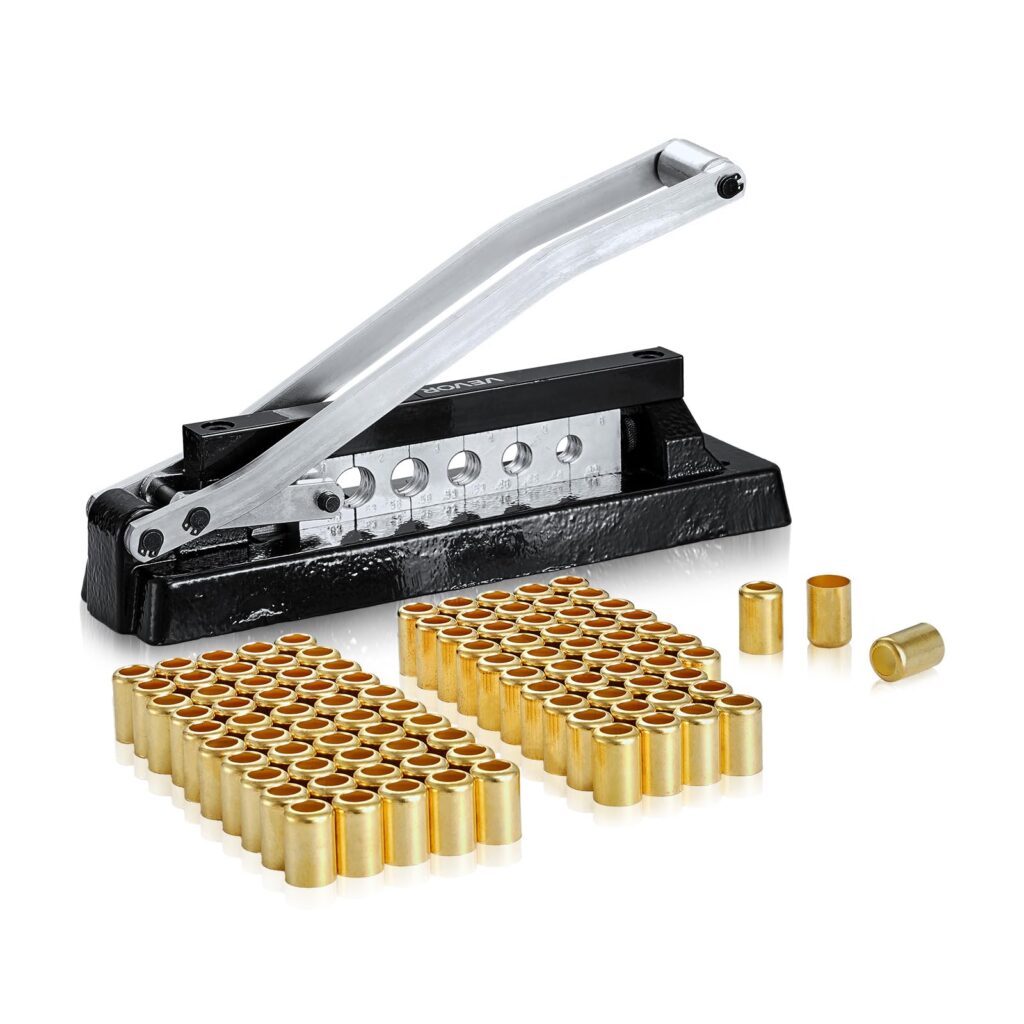
Modern hose ferrule crimping tools cut repair times, boost joint strength, and reduce rework in hydraulic and industrial hose work. The guide will describe how current machines provide better crimps compared to old-fashioned ways to ensure the shops get more work done without downtime and failures.
The process of getting the hose back on track was not an easy task. It involved the use of tools such as clamps or band tooling, and press machines. Those days feel long gone once you spend time with a current hose ferrule crimping tool. The difference shows up right away in the shop. You set the die, load the ferrule, hit the cycle, and the machine does the heavy work with a consistency that older methods never matched. That single change cuts the time from broken hose to working assembly by a lot, and the joint usually holds better under pressure.
Consistent Crimping Improves Joint Strength
Most of the gain comes from how these machines control the force and the final diameter. Older hand tools or basic hydraulic presses depended on the operator’s feel and eye. This could result in cracking of the ferrule through over crimping or leaking through under crimping. Today’s hose ferrule crimping tool has dies and pressure setting specifications that correspond to the combination of the hose and fitting. Thus the resulting reduction is even around the circumference all the time. If crimped correctly the ferrule will grip the hose uniformly, the seal will be perfect and the overall assembly will work longer on the job.
Faster Production Results in More Jobs Per Day
The other obvious benefit is increased speed. An operator can prepare the end of the hose, put on the ferrule and do the crimp within a minute or two with most portable or bench-type machines. Contrast it with the previous procedure which involved measurement, cutting, insertion, clamping and verifying with calipers or go/no-go gauge. The new procedure eliminates a number of steps since the machine controls the final diameter. In a busy repair shop that handles twenty or thirty hose jobs a day, those saved minutes add up fast. You finish the queue earlier, or you take on extra work without hiring another person. Either way the shop’s output rises without a matching rise in labor cost.
Portable Tools Make Field Repairs Easier
Portability changed the game for field service too. Many modern units run on 12-volt power or even battery packs. A technician can take the hose ferrule crimping tool out to a construction site, a mining truck, or a farm tractor and make the repair right there. There is no need to detach the hose, drive to the workshop, crimp, and then drive back. The machine is right there in the service truck, along with the dies; and the work is completed where the machinery is. This in itself can transform a half-day of downtime into a 30-minute downtime.
Higher Precision Ensures Lower Re-workings
People underestimate the importance of precision at times. Sometimes a hose crimp may seem okay from the outset, only to fail at a later stage under conditions of either heat or pressure cycles. The modern machines come equipped with digital display or simple mechanical stops which lock the die closure precisely at the required measurement specified by the manufacturer of the hose.Some even store common settings so the operator just selects the hose type and the machine sets itself. That removes a lot of the trial-and-error that used to waste ferrules and hose stock. When every crimp meets the published standard, the joint passes pressure tests the first time and the warranty claims stay low.
Improved Safety During Hose Repairs
Safety improves as well, though it is quieter about it. Older methods sometimes required the operator to hold parts in place while force was applied. Hands stayed close to the action. Current machines keep the operator’s hands clear once the hose and fitting are loaded. Guards, two-hand controls, and automatic cycles reduce the chance of pinched fingers or flying debris. Shops that switch notice fewer minor injuries and less time lost to bandaged hands. The machines are still powerful, so respect is required, but the design itself works against the common mistakes of the past.

Lower Cost Per Repair
Cost per repair drops even if the tool itself costs more up front. You waste fewer fittings because the first crimp is usually the correct one. Hose stock lasts longer in inventory because cut lengths are used more efficiently. Labor hours per job fall, and the finished assemblies spend less time coming back for free fixes. Over a year those small savings cover the price of a solid hose ferrule crimping tool and then keep paying. Shops that track their numbers usually see the payback inside twelve months if they do any volume of hose work.
Easier Training for New Technicians
Training new people becomes simpler too. You still need to teach proper hose preparation and the right die selection, but the machine takes care of the force and the final diameter. A new technician can produce reliable joints after a short learning period instead of months of trial and error. That matters when experienced hands are hard to find. The shop can keep output steady while the new person builds confidence. The tool does not replace skill, it just removes the hardest part of getting consistent results.
Simple Maintenance Keeps Tools Ready
Maintenance on the tools themselves is straightforward. Keep the dies clean, check the hydraulic oil or battery charge, and the machine stays ready. Most units are built for daily shop use and handle the dust and occasional rough handling without constant attention. When a die set wears out you replace it, not the whole machine. That durability supports the efficiency gains over years rather than months.
Reliable Crimps Perform Better Under Pressure
The real test shows up when pressure hits the system. A correctly crimped ferrule holds under the working pressure and the surge spikes that happen in real equipment. Leaks that used to appear after a few hours or days simply do not show up as often. Equipment stays productive longer, and the repair shop’s reputation for solid work grows. That reputation brings more jobs, which the same efficient process can handle without overtime or extra staff.
Why Modern Crimping Tools Are Worth the Investment
In the end a modern hose ferrule crimping tool does more than squeeze metal onto rubber. It shortens the repair cycle, raises the quality of every joint, and lets fewer people handle more work with less stress. Shops that still rely on older methods spend extra time and money on every hose that comes through the door. Those that switched already know the difference shows up on the clock and on the invoice. The tool earns its place every day it is used.