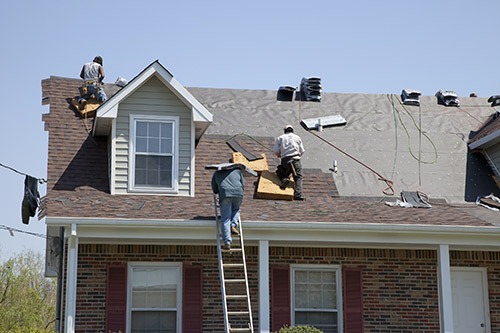
Severe weather events can cause significant damage to residential properties, leaving homeowners facing structural issues, water intrusion, and long-term safety concerns. From heavy rain and strong winds to hail and flooding, storms can affect every part of a home. This is why storm damage restoration and repair services play an important role in protecting properties and helping homeowners recover after a disaster.
Understanding how restoration professionals address storm-related damage can help property owners make informed decisions and reduce the risk of future problems. These services focus on restoring safety, preventing additional deterioration, and preserving the overall condition of the home.
Understanding Storm Damage to Homes
Storms can impact a home in many ways. High winds may damage roofs, siding, windows, and exterior structures. Heavy rainfall can lead to water intrusion through damaged roofing materials or cracks in walls and foundations. Fallen trees and debris may also compromise the structural integrity of a building.
When damage is not addressed quickly, minor issues can develop into major problems. Water infiltration, for example, can weaken building materials, damage insulation, and create favorable conditions for mold growth. This is where storm damage restoration and repair services become essential for preventing long-term property damage.
Immediate Assessment and Damage Identification
One of the primary ways storm damage restoration and repair services protect homes is through detailed damage assessments. Restoration professionals inspect affected areas to identify visible and hidden damage caused by the storm.
A thorough inspection may include:
- Evaluating roof damage
- Checking for water intrusion
- Assessing structural stability
- Examining electrical systems
- Identifying moisture trapped within walls and flooring
Early identification of damage allows homeowners to address problems before they become more extensive and costly.
Water Removal and Drying Processes
Storms often bring significant amounts of water into homes. Whether caused by roof leaks, flooding, or damaged windows, excess moisture can quickly affect building materials and indoor environments.
A professional storm damage restoration service typically includes water extraction and drying procedures designed to remove moisture from affected areas. Specialized equipment helps eliminate standing water and reduce humidity levels within the property.
Proper drying is critical because lingering moisture can lead to:
- Wood rot
- Structural weakening
- Flooring damage
- Insulation deterioration
- Mold development
By removing moisture promptly, restoration professionals help preserve the integrity of the home and reduce future repair needs.
Preventing Structural Deterioration

Structural components such as walls, ceilings, support beams, and foundations may be compromised after severe weather. Water infiltration can weaken these materials over time, creating safety hazards for occupants.
Storm damage restoration and repair services help protect homes by repairing or reinforcing damaged structural elements. Addressing these concerns early helps maintain the stability of the building and prevents further deterioration.
Structural repairs may involve replacing damaged materials, reinforcing weakened sections, and restoring areas affected by moisture exposure. These efforts contribute to the long-term safety and durability of the property.
The Importance of Restoration After Water Damage
One of the most critical aspects of storm recovery is restoration after water damage. Water can spread rapidly throughout a property, affecting multiple rooms and hidden spaces behind walls and beneath flooring.
Effective restoration after water damage focuses on removing moisture, repairing damaged materials, and restoring affected areas to a safe condition. The process helps reduce the likelihood of structural problems and indoor environmental concerns.
Without proper restoration, water damage can continue to affect a property long after the storm has passed. Moisture trapped within building materials may lead to ongoing deterioration and costly repairs in the future.
Addressing Mold Risks Following Storms
Mold growth is a common concern after storm-related water damage. Mold can begin developing within a relatively short period when moisture remains in affected areas. It often grows in hidden locations such as wall cavities, crawl spaces, and insulation.
Professional mold removal and restoration services are frequently needed as part of storm recovery efforts. These services focus on identifying mold growth, removing contaminated materials when necessary, and restoring affected spaces.
Effective mold removal and restoration helps maintain a healthier indoor environment while preventing mold from spreading to additional areas of the property. Addressing mold concerns early is an important component of comprehensive storm damage recovery.
Protecting Indoor Air Quality
Storm-related moisture and mold growth can negatively impact indoor air quality. Damp conditions may contribute to unpleasant odors and airborne contaminants that affect the comfort of occupants.
A professional storm damage restoration service often includes moisture control measures that support healthier indoor conditions. By removing excess moisture and addressing mold concerns, restoration professionals help improve indoor air quality and reduce environmental risks within the home.
Maintaining good indoor air quality is particularly important after significant water intrusion events caused by storms.
Restoring Safety and Functionality
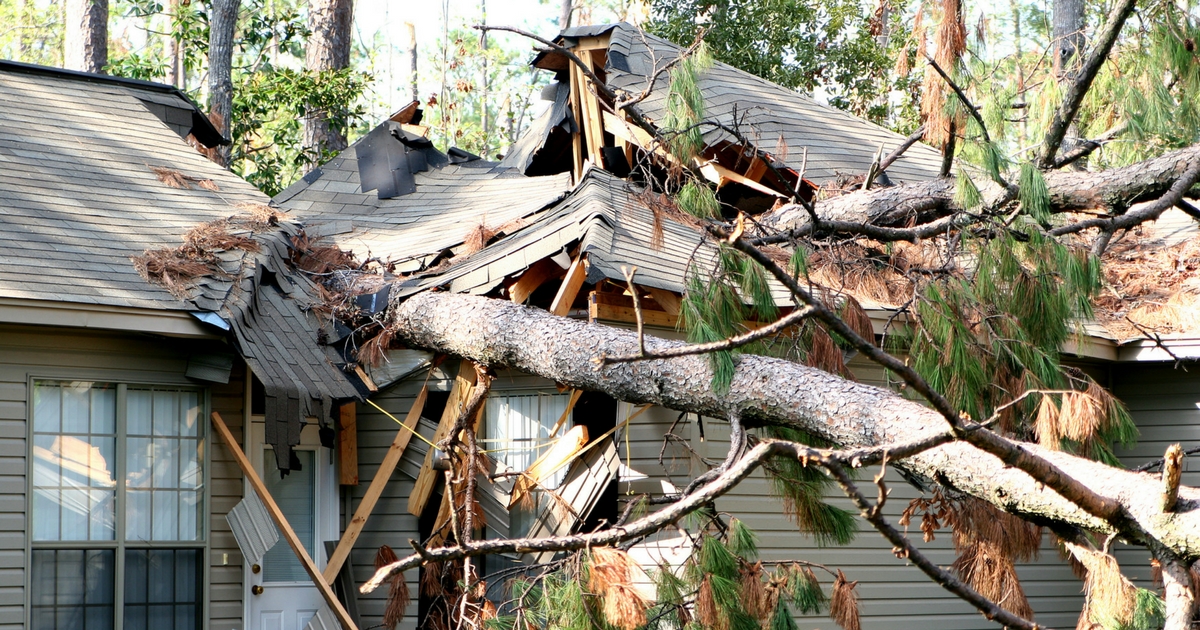
Homes affected by storms may experience damage that interferes with daily living. Damaged roofing, compromised walls, electrical issues, and water intrusion can create unsafe conditions for occupants.
Storm damage restoration and repair services help restore functionality by repairing damaged areas and ensuring the property remains safe for use. Restoration efforts focus on returning the home to a stable condition while minimizing the risk of additional damage.
These services also help homeowners identify areas that may require ongoing monitoring or future maintenance following severe weather events.
Conclusion
Storms can cause extensive damage to homes, affecting structural components, indoor environments, and overall property safety. Through inspections, water removal, repairs, and moisture control measures, storm damage restoration and repair services help protect homes from both immediate and long-term damage.
A professional storm damage restoration service addresses critical concerns such as water intrusion, structural deterioration, and indoor environmental risks. Additionally, mold removal and restoration help manage mold growth that may develop after moisture exposure. Combined with effective restoration after water damage, these services play a vital role in preserving the safety, stability, and condition of residential properties after severe weather events.