Healthy gums are an important foundation of good oral health because they help support and protect the teeth. Gum disease can begin with plaque accumulation and mild inflammation, but it may become more serious when left untreated. Symptoms such as bleeding gums, swelling, redness, tenderness, persistent bad breath, or gum recession should be professionally evaluated. Regular dental checkups and appropriate periodontal care can help identify gum problems and determine the most suitable treatment approach for each patient.
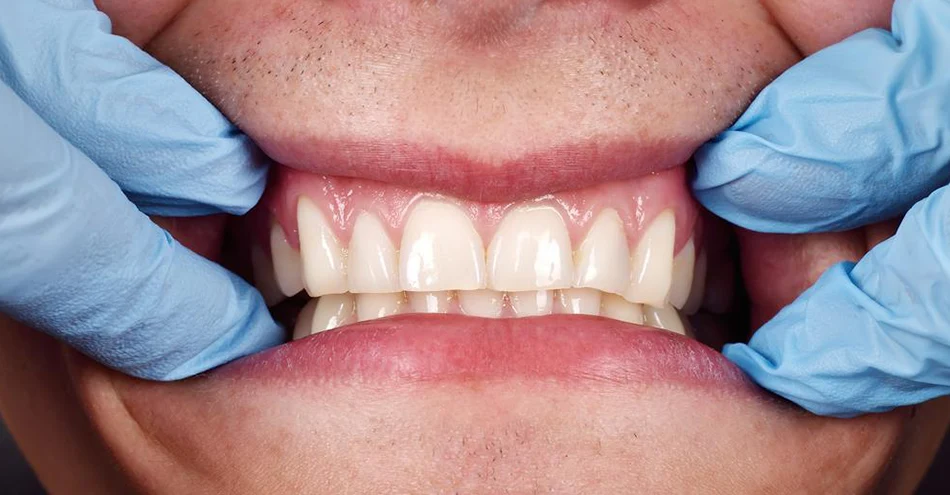
For patients seeking advanced periodontal care, Best Gum Disease Laser Treatment Services in Lahore may offer a modern treatment approach when laser therapy is clinically appropriate. Dental Club provides professional dental evaluation to assess gum health and determine whether laser treatment or another periodontal procedure is suitable. Treatment recommendations depend on the severity and type of gum disease, the patient’s oral health, and the findings of a professional examination.
What Is Gum Disease?
Gum disease, also known as periodontal disease, is an infection or inflammatory condition affecting the tissues surrounding and supporting the teeth. It often begins with plaque, a sticky layer of bacteria that develops on teeth. If plaque is not adequately removed, it can contribute to inflammation around the gums.
Early gum disease is commonly associated with gingivitis. Symptoms may include red, swollen, or bleeding gums. When periodontal disease progresses, it can affect deeper tissues and supporting bone around the teeth.
Not every patient with gum disease requires laser treatment. A dentist or periodontal professional first evaluates the condition and determines an appropriate treatment plan.
What Is Laser Gum Treatment?
Laser gum treatment uses specialized dental laser technology to assist with the management of certain gum and periodontal conditions. Depending on the procedure, the laser may be used to target diseased or infected tissue and support treatment of affected areas.
Laser therapy is not a single treatment for every form or stage of gum disease. The suitability of laser treatment depends on the patient’s clinical condition, periodontal findings, and the specific technology available.
At Dental Club, patients can receive a professional assessment before treatment recommendations are made. This allows the dental team to understand the condition of the gums and discuss appropriate options.
What Causes Gum Disease?
Several factors can contribute to gum disease. The primary cause is usually plaque accumulation around the teeth and gumline. Poor oral hygiene can allow plaque to remain in place and eventually harden into tartar.
Other factors can influence gum health, including smoking or tobacco use, certain medical conditions, hormonal changes, medications, genetics, stress, and inadequate dental care. Individual risk varies, so professional assessment is important.
Maintaining daily oral hygiene and attending regular dental examinations can help reduce the risk of gum problems and support early detection.
What Are the Common Symptoms of Gum Disease?
Recognizing gum disease symptoms can encourage patients to seek professional care earlier. Common signs may include bleeding during brushing or flossing, swollen gums, redness, tenderness, persistent bad breath, gum recession, or changes in the way teeth fit together.
In more advanced cases, patients may experience loose teeth, pus around the gums, discomfort while chewing, or changes in tooth position.
However, the absence of symptoms does not necessarily mean that gums are completely healthy. Regular dental examinations can help identify periodontal concerns that may not be obvious to the patient.
How Does a Dentist Diagnose Gum Disease?
Diagnosis usually begins with a detailed dental and medical history followed by an examination of the teeth and gums. The dentist may assess gum inflammation, plaque and tartar accumulation, gum recession, and periodontal pocket depth.
Dental X-rays may sometimes be recommended to evaluate the supporting bone around the teeth. The need for imaging depends on the patient’s symptoms, history, and clinical findings.
After assessing the condition, the dental professional can explain whether the problem is mild, moderate, or advanced and discuss suitable treatment options.
Is Laser Treatment Suitable for Every Gum Disease Patient?
No. Laser treatment is not automatically appropriate for every patient with gum disease. Treatment depends on the type and severity of the periodontal condition and the findings of the dental examination.
Some patients may benefit from conventional periodontal cleaning and improved home care. Others may require more advanced periodontal treatment. Laser therapy may be considered as part of treatment in selected cases.
A professional evaluation is therefore essential before deciding whether laser gum treatment is appropriate.
What Are the Potential Benefits of Laser Gum Treatment?
When clinically appropriate, laser technology may provide certain advantages depending on the procedure being performed. It can allow a dentist to work precisely in targeted areas and may be used to remove or treat affected tissue.
Some laser procedures may involve less tissue disruption than certain conventional surgical approaches, but outcomes vary between patients and procedures. Laser treatment should not be presented as a guaranteed painless or faster solution for all gum disease.
The most important factor is receiving an appropriate diagnosis and treatment plan based on individual periodontal needs.
How Can Laser Treatment Support Gum Health?
Gum disease involves inflammation and damage to tissues surrounding the teeth. Treatment aims to control the disease, reduce infection or inflammation, and support healthier periodontal tissues.
In appropriate cases, laser technology may be incorporated into a broader periodontal treatment plan. However, successful gum care also depends on professional cleaning, effective daily oral hygiene, regular monitoring, and addressing contributing risk factors.
Patients should understand that laser treatment does not replace good brushing, cleaning between teeth, or professional follow-up.
Why Is Professional Dental Cleaning Important?
Professional cleaning is an important component of periodontal care. Plaque can accumulate around the gumline, while tartar can harden and become difficult to remove with ordinary brushing.
Scaling and root surface cleaning may be recommended depending on the patient’s periodontal condition. These procedures aim to remove deposits from the teeth and affected areas.
In some cases, laser therapy may be used alongside conventional periodontal treatment. The exact approach depends on the patient’s diagnosis and the dentist’s clinical judgment.
How Can You Prevent Gum Disease at Home?
Good daily oral hygiene is essential for maintaining healthy gums. Brush your teeth twice a day with fluoride toothpaste and clean between your teeth regularly. Interdental cleaning can help remove plaque from spaces that a toothbrush cannot reach effectively.
Avoid smoking and tobacco products, maintain a balanced diet, and attend dental examinations according to your dentist’s recommendations.
If your gums bleed regularly or remain swollen despite improved oral hygiene, arrange a professional examination rather than ignoring the symptoms.
Can Gum Disease Affect Your Teeth?
Advanced periodontal disease can affect the tissues and bone supporting the teeth. As the supporting structures become damaged, teeth may become loose or more difficult to maintain.
This is one reason why early recognition and professional management are important. Treatment aims to control the disease and protect the supporting tissues around the teeth.
Patients experiencing persistent gum bleeding, recession, swelling, or loose teeth should seek professional dental evaluation.
Why Choose Dental Club for Gum Disease Treatment in Lahore?
Choosing a dental clinic for gum treatment involves considering professional expertise, diagnostic evaluation, treatment planning, hygiene, and patient communication. Dental Club provides dental care for patients experiencing different oral health concerns and focuses on assessment before recommending treatment.
Patients can discuss symptoms such as bleeding gums, bad breath, gum swelling, sensitivity, recession, or loose teeth during a consultation. Based on the examination, the dental team can explain appropriate treatment options, including whether laser therapy may be suitable.
A personalized approach helps ensure that treatment decisions are based on the patient’s actual periodontal condition rather than a one-size-fits-all approach.
How Important Are Follow-Up Appointments?
Follow-up care is an important part of periodontal treatment. Gum disease can return or progress if plaque control and professional maintenance are neglected.
After treatment, patients may need periodic examinations and professional cleaning depending on their periodontal condition. The dentist can monitor gum health and identify any signs of recurrence.
Following recommended home-care instructions and attending scheduled appointments can help support the results of periodontal treatment.
Frequently Asked Questions
Is laser gum treatment painful?
The level of discomfort varies depending on the procedure and the patient’s condition. Appropriate local anesthesia or other comfort measures may be used when necessary. Your dentist can explain what to expect before treatment.
Can laser treatment completely cure gum disease?
Laser treatment should not be considered a guaranteed cure for every form of gum disease. Periodontal care usually involves diagnosis, professional cleaning or other treatment, home oral hygiene, and ongoing maintenance.
How long does laser gum treatment take?
Treatment time depends on the number of affected areas, the severity of gum disease, and the specific procedure being performed. Your dentist can provide a more accurate estimate after examination.
Can gum disease be prevented?
Good oral hygiene, regular dental checkups, professional cleaning when recommended, and avoiding tobacco can help reduce the risk of gum disease. Individual risk factors should also be discussed with a dental professional.
Does Dental Club provide gum disease treatment?
Dental Club provides professional dental care for gum and periodontal concerns. Patients can receive an examination and discuss appropriate treatment options based on their individual condition.
Conclusion
Gum disease should not be ignored because early symptoms can develop into more serious periodontal problems when left unmanaged. Regular dental examinations, professional cleaning, effective home oral hygiene, and timely treatment can help support healthier gums and protect the structures that support your teeth.
For patients searching for Best Gum Disease Laser Treatment Services in Lahore, Dental Club can provide professional assessment and personalized treatment planning. Laser therapy may be considered for selected periodontal conditions, but the most appropriate treatment depends on a thorough dental evaluation. Combining professional care with consistent daily oral hygiene and regular follow-up can help patients maintain healthier gums and a stronger smile.