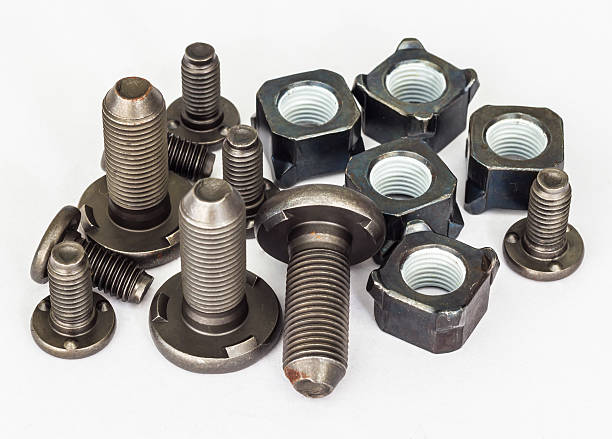
A custom fastener usually isn’t something people think much about. It’s small, often hidden inside a larger product, and rarely gets any attention until it doesn’t fit. Then everybody notices. That’s where fastener specialties manufacturing gets a little more complicated than it first appears. A difference of a few thousandths can change how a screw seats, how threads engage, or whether a component lines up properly. Precision engineering helps manufacturers deal with those details before they become a problem. It’s less about making something “perfect” for the sake of it and more about making a part that behaves the way the assembly needs it to.
Getting the Dimensions Right From the Start
Custom work starts with measurements, but there’s more to it than putting numbers on a drawing. Engineers look at the diameter, overall length, thread dimensions, head style, tolerances, and the way the fastener will actually be used. Sometimes the drawing looks straightforward. Then the machinist gets into it and finds that one feature leaves almost no room for error. That’s normal with specialized components. Precision engineering helps identify those trouble spots before production begins. It also gives the machinist a clearer idea of what needs the closest control. Not every dimension needs the same level of attention, and treating them all the same can just make production slower and more expensive.
Tight Tolerances Can Prevent Assembly Headaches
There’s a reason manufacturers care so much about tolerances. Imagine a fastener that is supposed to slide into a machined hole but comes out slightly too large. It may not go in at all. Go the other direction and the part might fit easily but fail to provide the holding force the assembly requires. Neither situation is useful. With precision machining, manufacturers can keep critical dimensions within specified limits and make batches of parts that are much more consistent. That consistency becomes especially important when a customer is ordering replacement parts months later. You don’t want the new batch fitting differently just because it came from a different production run. That kind of thing creates unnecessary trouble.
The Design Doesn’t Always Have to Follow a Standard Fastener
Standard screws and bolts are fine for plenty of applications. But sometimes they just aren’t the answer. A machine might need a fastener with a particular head profile because there isn’t much clearance. Another assembly could require a non-standard thread or a very specific overall length. Maybe the fastener needs a small groove or another machined feature that you won’t find on a hardware-store shelf. Precision engineering gives designers some breathing room here. The part can be developed around the actual application instead of changing the application to accommodate an available fastener. CNC turning, milling, threading, and other machining methods can then be selected according to what the component really needs.
The Metal You Choose Changes the Whole Job
Material selection gets overlooked sometimes, especially when people focus heavily on dimensions. But steel doesn’t machine exactly like brass, and titanium certainly doesn’t behave like aluminum. The material affects cutting speed, tooling, heat generation, and finishing. Then there’s the environment where the finished fastener will live. A part used outdoors may need better corrosion resistance. One inside industrial equipment could face heat, chemicals, or constant vibration. So engineers have to look beyond the shop floor. A fastener can be machined to extremely tight dimensions and still be a poor choice if its material isn’t suitable for the job. That’s just reality.
Where Swiss Turning Comes Into the Picture
Small fasteners can be surprisingly difficult to machine. When the diameter gets narrow and the features become more detailed, keeping everything steady becomes important. Swiss-style turning is built for this sort of work. The design of the machine supports the workpiece close to the cutting area, which can help when producing small diameters and fine features. Threads, grooves, and other details can be machined with good repeatability. For companies looking for swiss turned components suppliers, this capability can be useful when a project involves high volumes of small, close-tolerance parts. The goal isn’t simply speed. It’s producing one part that looks and measures like the next one, and then doing it again without the dimensions wandering around.
Inspection Is Where the Numbers Get Checked
Machines do the cutting, but inspection tells you whether the cutting actually worked. Tools wear down. Setups can shift. Raw material isn’t always identical from one batch to the next. Even a well-maintained machine can produce an occasional part that needs another look. Depending on the fastener, manufacturers might use thread gauges, micrometers, optical inspection equipment, or coordinate measuring machines. The inspection method depends on the part and its tolerance requirements. There’s no magic checklist that works for every fastener. What matters is checking the dimensions that affect fit and performance. Catching a bad thread or incorrect diameter while the parts are still in the shop is a whole lot easier than finding out after the customer has assembled the product.
Good Engineering Can Cut Down on Scrap
Precision engineering can also make production less wasteful, although nobody should pretend it eliminates every mistake. It doesn’t. What it can do is make the process more predictable. Tool paths can be worked out before machining starts. The right cutting tools can be chosen for the material. Difficult features can be identified early instead of becoming surprises halfway through a production run. Even small improvements matter when a job involves hundreds or thousands of pieces. If a poor setup causes five percent of a batch to be rejected, that’s not just a few bad parts. It’s material, machine time, and labor heading straight into the scrap bin. And that adds up quickly.
Precision Matters When the Fastener Has a Serious Job
Custom fasteners turn up in places where a small component can have a pretty big responsibility. Automotive equipment, industrial machinery, electronics, energy systems, and specialized mechanical assemblies all have different demands. Some parts deal with vibration. Others see temperature swings, repeated loading, moisture, or pressure. A fastener needs to work with the rest of the assembly, not just look correct on paper. This is why the back-and-forth between the customer, engineer, and machinist can be important. One detail in the application can change the way the part should be produced. Sometimes the best solution only becomes obvious after somebody asks a very basic question: “How is this thing actually going to be used?” It’s a simple question, but it can save a lot of wasted work.
Why Precision Engineering Makes Custom Fasteners More Reliable
At the end of the day, precision engineering gives manufacturers better control over a part that has very little room for guesswork. Dimensions can be held more consistently. Materials can be matched to the application. Complicated features become more manageable, and inspection provides a way to catch problems before they travel down the supply chain. Working with experienced swiss turned components suppliers can also help manufacturers achieve the consistency and precision required for demanding applications. That matters because custom fasteners aren’t usually ordered just for looks. They have a job to do. Sometimes it’s a very demanding one. The short answer is that precision engineering makes that job more predictable. And when a fastener fits properly, holds properly, and keeps doing its job after the assembly leaves the factory, nobody really notices it. Honestly, that’s probably the best outcome.