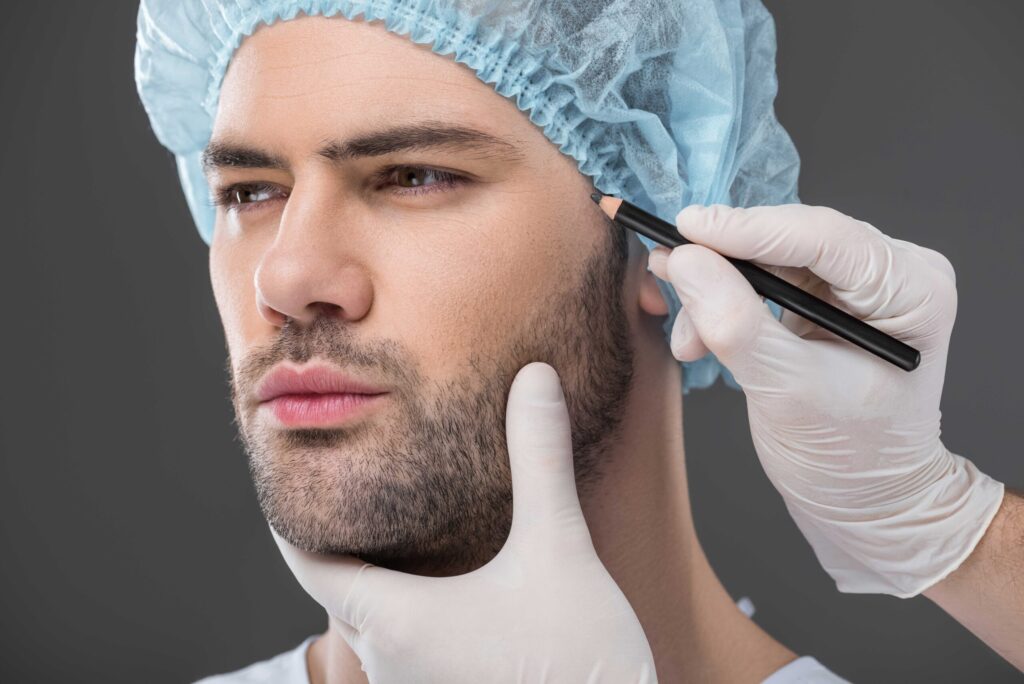
A beard is not simply a matter of adding hair to areas where growth is limited. Its appearance depends heavily on shape, proportions, facial structure, density, and the natural direction in which follicles grow. For this reason, beard design is an important part of treatment planning when someone is considering Beard Hair Transplant in Dubai.
The shape of the beard can influence how the lower face appears. A defined cheek line may create a sharper outline, while carefully planned coverage around the jaw and chin can provide greater visual fullness. At the same time, the design needs to look natural rather than appearing as an artificial outline placed onto the face.
During consultation, a specialist may assess existing beard growth, areas of patchiness, facial proportions, skin characteristics, and the availability of suitable donor follicles. The desired style is also discussed because different patients may want different levels of cheek coverage, sideburn definition, moustache density, or chin fullness.
Another important consideration is the direction and angle of implanted follicles. Beard hair generally grows at relatively shallow angles, and incorrect placement can make the result look unnatural. A carefully planned approach therefore considers both the desired shape and the biological characteristics of facial hair.
Understanding how beard shape affects treatment planning can help patients approach Beard Hair Transplant in Dubai with more realistic expectations and a clearer idea of what the procedure can achieve.
How Is Beard Shape Planned Before Treatment?
Beard shape planning generally begins with an assessment of the patient’s facial characteristics and current growth pattern. The specialist may examine the cheek line, jawline, chin, moustache region, sideburns, and areas where density is reduced.
The objective is not necessarily to create maximum density everywhere. Instead, follicles can be positioned according to the areas that contribute most to the intended appearance.
Facial symmetry is another consideration. Natural faces are rarely perfectly symmetrical, so the planned beard may need subtle adjustments from one side to the other. A specialist can also consider the patient’s age, existing beard pattern, and how the chosen design may look as surrounding hair continues to mature.
The Role of Facial Proportions
A beard design should complement the individual’s facial proportions rather than follow a single universal template.
For example, someone with a longer facial appearance may prefer a different chin or cheek configuration from someone with a broader lower face. The visual effect of adding density to the chin, jawline, or cheeks can vary considerably depending on facial structure.
This is why copying another person’s beard shape is not always appropriate. A design that looks balanced on one face may appear disproportionate on another.
How Hair Direction Affects Beard Shape
Hair direction is particularly important in facial restoration. Beard follicles naturally emerge from the skin at specific angles and directions, which can differ between the moustache, chin, cheeks, and jaw.
During transplantation, the recipient sites need to account for these natural patterns. Follicles placed at unsuitable angles may stand away from the skin or create an overly uniform appearance.
The transition along the cheek is also significant. A sharply defined line may be appropriate for some styles, but a completely artificial-looking border can make transplanted hair more noticeable. Careful distribution and direction can help create a more gradual and natural transition.
Density and the Desired Beard Style
Beard shape cannot be separated from density planning. Some patients want a fuller appearance, while others mainly want to fill isolated gaps.
A patient seeking stronger cheek coverage may require a different distribution strategy from someone primarily concerned with moustache or chin density. Existing follicles can also influence where additional grafts are needed.
The specialist may therefore divide the treatment area into different zones and determine where greater or lighter density is appropriate. This approach can help preserve a natural relationship between transplanted and existing facial hair.
What Happens at Enfield Royal Clinic?
At Enfield Royal Clinic, beard restoration planning can take into account facial proportions, existing growth, donor availability, and the patient’s preferred beard style. Consultation is an important part of determining which areas require additional coverage and how the proposed shape should relate to the individual’s features.
For patients considering Beard Hair Transplant in Dubai, attention to follicle direction, placement, density, and the transition between existing and transplanted growth can be particularly relevant. Rather than treating every beard area identically, planning can be adapted to the characteristics of different facial zones.
The consultation also provides an opportunity to discuss realistic expectations. Beard transplantation can improve areas with insufficient growth, but the final appearance depends on factors such as donor supply, follicle characteristics, healing, and the amount of coverage required.
Why Cheek Lines Require Careful Planning
The cheek line is one of the most visible elements of beard design. An excessively straight or dense line can look artificial, particularly when the surrounding natural growth is irregular.
A more natural approach may involve considering the existing distribution of facial hair and designing the transition accordingly. The goal is to create a pattern that works with the patient’s natural growth rather than imposing an identical shape on every face.
Patients should also consider whether they want a highly defined style or a softer appearance. This preference can influence where grafts are placed and how density is distributed.
Jawline and Chin Considerations
The jawline and chin contribute substantially to the perceived fullness of a beard. Gaps in these areas may be particularly noticeable when the patient keeps facial hair short.
A specialist may evaluate the relationship between chin projection, jawline width, and existing beard growth before deciding where additional follicles could provide useful coverage.
The chin may require attention to growth direction because hairs can follow several different orientations across this area. Careful placement can help transplanted follicles integrate with surrounding growth.
What Should Patients Consider When Choosing a Treatment Provider?
When evaluating options for Beard Hair Transplant in Dubai, patients can look beyond the procedure name and examine how the treatment is planned and performed.
Experience and Qualifications
The clinician’s experience with facial hair restoration is important because beard transplantation involves different anatomical and aesthetic considerations from scalp transplantation. Patients can ask about professional qualifications, relevant experience, and examples of previous beard procedures.
Technology and Techniques
Different transplantation techniques may be suitable depending on the patient’s requirements. The important consideration is whether the chosen approach allows appropriate graft handling, precise recipient-site creation, and natural placement.
Safety Standards
A legitimate medical facility should follow appropriate infection-control procedures, sterile protocols, patient screening, and clinical safety practices. The consultation should also cover relevant medical history and potential risks.
Consultation Process
A thorough consultation should address beard shape, donor availability, expected density, hair direction, treatment areas, and recovery. Patients should have the opportunity to explain their preferred style and ask how closely that appearance can realistically be approached.
Patient Experience
Clear communication before and after treatment can make the process easier to understand. Patients should receive appropriate information about preparation, aftercare, temporary changes, and follow-up.
Expected Results
Results vary between individuals. Factors such as donor follicle characteristics, existing facial hair, graft survival, healing, and the size of the treatment area can influence the final outcome. A responsible provider should discuss limitations rather than promise an identical result to a reference photograph.
Frequently Asked Questions
Can beard shape be customized during a transplant?
Yes. Treatment planning can be adapted to the patient’s facial proportions, existing growth, preferred style, and areas requiring additional coverage. The final design should be discussed before the procedure.
Can a beard transplant create a completely new beard shape?
Transplantation can add follicles to areas with limited or absent growth, but the achievable design depends on factors such as donor availability and the characteristics of the existing facial hair. A consultation is necessary to determine what is realistic.
Does beard hair direction matter?
Yes. Direction and angle influence how transplanted follicles appear after growth. Matching the natural characteristics of surrounding facial hair can contribute to a more integrated appearance.
Is high density always necessary for a fuller beard?
Not necessarily. Visual fullness depends on both density and the distribution of follicles. Strategic placement may improve the appearance of patchy areas without requiring identical density throughout the entire beard.
How long does it take to see the final beard appearance?
Growth occurs gradually after transplantation. Newly transplanted hairs may initially shed before new growth develops. The timeline varies, and the final appearance generally requires patience and follow-up with the treating medical team.
Conclusion
Beard shape is an important consideration because successful facial restoration involves more than filling empty areas. Facial proportions, cheek contours, jawline definition, chin structure, hair direction, and density all contribute to the overall appearance.
A personalized design can help ensure that transplanted follicles complement existing growth and the patient’s preferred style. For anyone researching Beard Hair Transplant, discussing these factors during a detailed consultation can provide a clearer understanding of the treatment process, achievable coverage, and expected development over time.