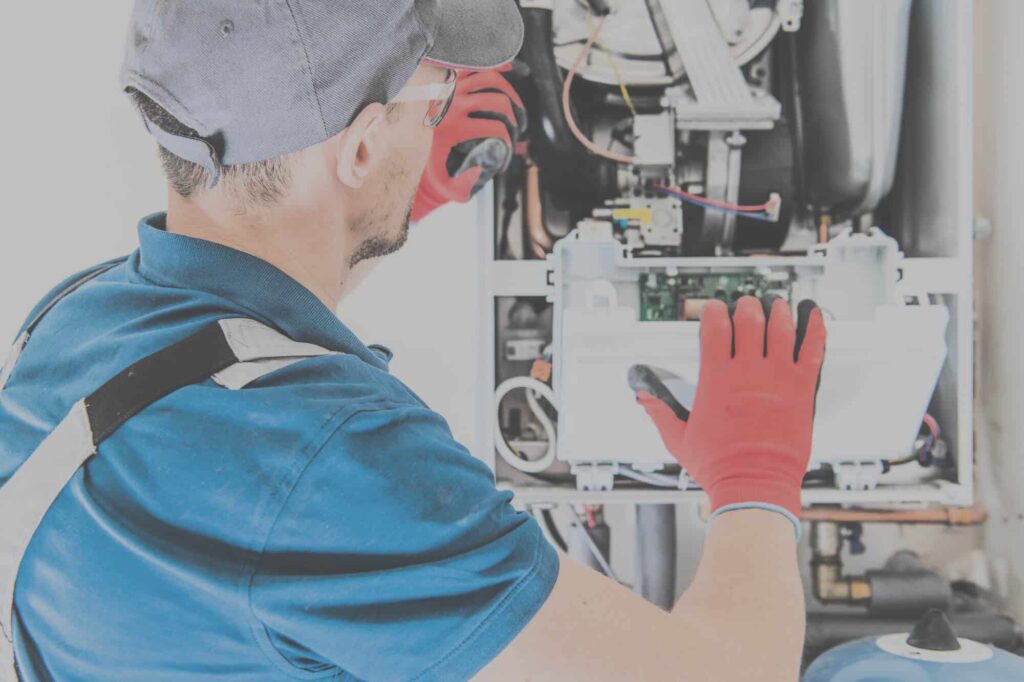
Most homeowners don’t think much about their HVAC system until something goes wrong. Furnace quits in the middle of winter. AC starts blowing warm air during a heat wave. Then suddenly everybody wants quotes, fast.
And honestly, one of the first questions people ask is pretty simple — how much do residential hvac installers actually charge?
Fair question. But the answer isn’t always clean or straightforward because HVAC pricing depends on a bunch of things. House size. Equipment type. Labor. Ductwork. Even where you live matters. Colorado Springs homes are different from homes in Florida or Texas. Climate changes everything.
Still, there are some general numbers homeowners should understand before calling contractors.
Average HVAC Installation Costs
For a basic residential HVAC installation, most homeowners spend somewhere between $5,000 and $15,000. Yeah, big range. That’s because systems vary a lot.
A smaller home with a simple furnace and AC replacement may stay closer to the lower end. Bigger homes or high-efficiency systems can push way past ten grand pretty quick.
And if ductwork needs replacing too? That number climbs fast.
A lot of homeowners get shocked by installation estimates because they think they’re only paying for the equipment. They’re not. Installation labor, permits, electrical upgrades, refrigerant lines, airflow balancing — it all adds up.
Good HVAC work is technical. It’s not just dropping a box into your basement and plugging it in.
What Impacts HVAC Installation Pricing
There’s never just one reason a quote feels high or low.
The biggest factor is usually system size. HVAC installers calculate heating and cooling loads based on square footage, insulation, windows, airflow, ceiling height… all kinds of stuff people rarely think about.
Bigger house equals bigger system. Bigger system equals higher cost.
Then there’s efficiency ratings. Higher SEER air conditioners or high-efficiency furnaces cost more upfront but usually save money over time through lower utility bills.
Labor also changes pricing quite a bit. Older homes are harder to work on sometimes. Tight crawl spaces, outdated ductwork, electrical issues. Installers may spend way longer on one house compared to another.
That’s why two neighbors can install HVAC systems the same month and pay completely different prices.
Ductless Systems Cost More Than Some People Expect
A lot of Colorado homeowners are looking into ductless mini-split systems lately. Especially older homes without existing ducts.
These systems work great in certain setups. Quiet. Efficient. Flexible.
But they’re not always cheap.
Depending on how many indoor units you need, ductless installations can run anywhere from $4,000 to well over $12,000. Multi-zone systems cost more because installers have to run refrigerant lines, electrical connections, mounting brackets — it’s detailed work.
Still, many homeowners like the long-term efficiency and room-by-room temperature control.
Cheap HVAC Installation Usually Costs More Later
This part matters.
Everybody wants to save money. Totally understandable. But choosing the cheapest HVAC bid can backfire hard.
Bad installation creates long-term problems:
- uneven airflow
- high utility bills
- noisy systems
- short cycling
- premature equipment failure
A poorly installed HVAC system might run badly for its entire lifespan. Doesn’t matter how expensive the equipment itself is.
That’s why experienced companies like HVAC SOLUTIONS spend time checking airflow, duct sizing, insulation, thermostat setup, and system sizing before installation even begins.
A proper install takes planning. The cheaper companies often rush through it.
What Residential HVAC Installers Actually Do
Homeowners sometimes assume HVAC installers just swap out equipment.
Not really.
Professional installers handle:
- load calculations
- duct inspections
- ventilation checks
- refrigerant charging
- airflow balancing
- thermostat configuration
- safety testing
There’s mechanical work, electrical work, airflow science… honestly, it’s more technical than people realize.
Good installers also explain maintenance requirements after installation. That part gets skipped a lot by rushed contractors.
Should You Repair or Replace Your HVAC System?
This question comes up constantly.
Usually, if the system is under 10 years old and repair costs are reasonable, fixing it makes sense. But older systems get tricky.
Once repair bills start stacking up, replacement becomes the smarter move financially.
A rough rule many homeowners follow:
- expensive repair + old system = probably replace it
- small repair + newer system = probably fix it
Not perfect, but it’s a decent guideline.
Energy efficiency also matters now more than ever. Older systems can absolutely crush monthly utility bills.
Financing Changes the Conversation
A lot of homeowners panic when they hear HVAC installation pricing. Understandable honestly. It’s a major expense.
But financing options have changed things quite a bit.
Many HVAC contractors now offer monthly payment plans, promotional financing, or phased installation options. Instead of paying everything upfront, homeowners spread the cost over time.
That makes higher-efficiency systems more realistic for families who otherwise couldn’t afford them.
Still… don’t finance more system than you actually need. Bigger isn’t always better in HVAC.
Signs You’re Hiring the Wrong HVAC Installer
This part matters maybe more than price itself.
Be careful if an installer:
- gives quotes without inspecting the home
- pressures you immediately
- refuses to explain pricing
- avoids permit discussions
- recommends oversized equipment instantly
Good contractors ask questions first. They inspect things. They measure airflow. They explain options.
That’s usually the difference between professionals and salespeople pretending to be technicians.
Why Local Experience Matters
Colorado Springs weather creates unique HVAC demands. Cold winters. Dry air. Sudden temperature swings.
Installers unfamiliar with the area sometimes recommend systems that aren’t ideal long-term.
That’s one reason many homeowners research the best hvac companies in colorado springs instead of simply choosing national chains. Local companies understand regional climate conditions, altitude effects, and common airflow issues found in homes around the area.
HVAC SOLUTIONS has worked with residential and commercial systems across Colorado Springs for years, so they’ve seen pretty much every installation challenge possible.
That experience matters more than flashy advertising sometimes.
Final Thoughts
So… how much do residential HVAC installers charge?
Depends on the system, the home, the labor involved, and honestly, the quality of the installer. Most homeowners land somewhere between several thousand dollars and well into five figures depending on complexity.
But focusing only on price usually leads people the wrong direction.
The real goal should be value. Proper installation. Reliable equipment. Long-term efficiency. Lower repair headaches later.
Because once an HVAC system is installed badly, you’ll feel it every month — uncomfortable rooms, higher bills, random repairs. It adds up fast.
Take your time. Ask questions. Get multiple estimates. And don’t let anybody rush you into a decision you don’t fully understand.
A good HVAC installation should last years. Maybe decades. So it’s worth getting it right the first time.