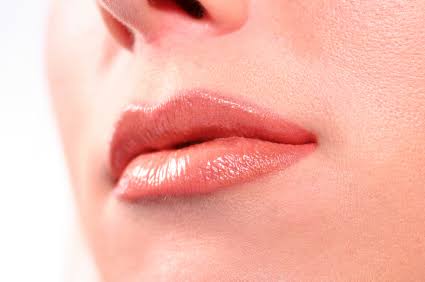
Lip shape and size can influence overall facial balance, confidence, and personal appearance. While some individuals naturally have fuller lips, others may experience discomfort or feel that their lips are disproportionately large. This can lead them to explore cosmetic procedures that create a more balanced appearance. One common concern before considering Lip Reduction Surgery in Dubai is the level of pain involved and what the recovery process feels like. Understanding the procedure, pain management options, and healing stages can help individuals make informed decisions and feel more comfortable about taking the next step.
Understanding Lip Reduction Surgery
Lip reduction is a cosmetic procedure designed to decrease the volume of the upper lip, lower lip, or both. It involves removing a carefully measured amount of tissue from the inside of the lip to achieve a more proportionate appearance.
The procedure is generally performed under local anesthesia, although the anesthesia approach may vary depending on individual needs and surgical planning. Since the treatment focuses on the natural structure of the lips, careful assessment is important to maintain symmetry, movement, and natural-looking results.
Many individuals consider this procedure when they feel their lips appear excessively prominent or interfere with their preferred facial proportions.
How Painful Is Lip Reduction Surgery During the Procedure?
One of the biggest concerns for individuals considering lip reduction is whether the procedure itself is painful. Fortunately, local anesthesia is commonly used to numb the treatment area before the procedure begins.
Patients may experience a brief pinching or stinging sensation when the anesthetic is administered. Once the area becomes numb, sharp pain should be significantly reduced during the procedure.
However, some individuals may notice pressure, pulling, or mild movement sensations while the treatment is being performed. These sensations are generally different from pain and can vary depending on personal sensitivity and the anesthesia technique.
The purpose of anesthesia is to make the experience more comfortable while allowing the treatment to be performed safely.
What Does Lip Reduction Feel Like After Surgery?
Although anesthesia helps minimize discomfort during the procedure, some soreness is expected once its effects begin to wear off. The lips are sensitive areas with numerous nerve endings, making temporary tenderness a normal part of the healing process.
Common sensations following lip reduction may include:
- Tenderness: The treated area may feel sensitive, particularly when touched.
- Swelling: The lips can appear larger temporarily because of post-procedure inflammation.
- Tightness: Some individuals experience a stretched or tight sensation around the incision area.
- Mild throbbing: Temporary discomfort may occur during the initial recovery period.
- Sensitivity while eating: Chewing, speaking, and moving the lips may feel uncomfortable initially.
These symptoms generally improve as the tissues heal. However, severe or increasing pain should never be ignored and requires medical assessment.
Factors That Influence Pain During Lip Reduction Surgery
Pain tolerance differs from person to person. While some individuals experience minimal discomfort, others may find the recovery period more challenging.
Several factors can influence the overall experience.
Individual Pain Tolerance
Every individual has a different sensitivity to pain. Personal pain thresholds, anxiety levels, and previous experiences with cosmetic procedures can influence how discomfort is perceived.
Extent of Tissue Removal
The amount of tissue being removed can affect the procedure and recovery experience. Treating both lips may involve a different healing experience compared with treating only the upper or lower lip.
Surgical Technique
The approach used during treatment can influence tissue handling, incision placement, and postoperative comfort. A carefully planned technique helps support predictable healing and natural-looking results.
Existing Lip Sensitivity
Individuals with naturally sensitive lips may notice tenderness more prominently during recovery. A proper consultation helps identify relevant concerns before treatment.
Postoperative Care
Following the recommended recovery instructions is essential. Excessive lip movement, irritation, or disturbing the healing incision can contribute to discomfort and potentially affect recovery.
How Long Does Pain Last After Lip Reduction?
Discomfort is generally most noticeable during the first few days following surgery. As swelling gradually decreases and the incision begins to heal, tenderness typically becomes more manageable.
During the initial recovery period, individuals may experience swelling, bruising, and sensitivity around the treated area. These symptoms usually improve progressively over the following days and weeks.
Although the visible swelling may settle relatively early, complete tissue healing can take longer. The final lip shape should therefore not be judged immediately after the procedure.
Recovery timelines differ depending on the treatment area, surgical technique, individual healing response, and postoperative care instructions.
Tips to Manage Discomfort After Lip Reduction Surgery
Proper recovery care can make the healing experience more comfortable and help reduce unnecessary irritation.
Follow Recommended Medication Instructions
Any prescribed pain medication should be taken exactly as directed. Individuals should avoid taking additional medication without checking whether it is appropriate for their recovery.
Apply Cold Compresses Carefully
Cold compresses may help reduce swelling and provide temporary relief during the early recovery period. They should be applied gently and according to the treating professional’s instructions. Direct ice contact with the lips should be avoided.
Choose Soft Foods
Eating soft foods can minimize unnecessary movement and pressure around the treated area. Options such as yogurt, mashed vegetables, and soft foods may be easier to manage during the initial healing stage.
Maintain Gentle Oral Hygiene
Keeping the mouth clean is important for reducing the risk of infection. Patients should follow the recommended oral hygiene routine and avoid disturbing the incision site.
Avoid Excessive Lip Movement
Excessive stretching, unnecessary touching, and activities that place pressure on the lips should be avoided while the tissues heal.
Attend Follow-Up Appointments
Follow-up assessments allow the treating professional to monitor healing, evaluate swelling, and identify any concerns that may require attention.
Is Lip Reduction Surgery Recovery More Painful Than Expected?
For many individuals, recovery involves temporary discomfort rather than severe pain. However, expectations should remain realistic because swelling, tenderness, and restricted lip movement can make everyday activities slightly challenging during the initial healing period.
Speaking, smiling, eating, and drinking may feel different until the tissues become more comfortable. Most individuals gradually return to their usual activities as healing progresses.
It is also important to understand that persistent or worsening pain, increasing redness, fever, unusual discharge, or significant bleeding may indicate a complication. These symptoms require prompt professional evaluation rather than being treated as normal recovery discomfort.
A detailed consultation before treatment can help individuals understand the expected recovery experience and prepare accordingly.
Who Is a Suitable Candidate for Lip Reduction Surgery?
Lip reduction may be considered by individuals who want to reduce excessive lip volume and achieve better facial proportions. However, suitability depends on several personal and anatomical factors.
Potential candidates generally include individuals who:
- Feel their upper or lower lips are disproportionately prominent.
- Want a more balanced relationship between their lips and other facial features.
- Have realistic expectations about surgical results.
- Are in suitable general health for an elective procedure.
- Understand the recovery process and are prepared to follow postoperative instructions.
A professional assessment is necessary to evaluate lip structure, tissue characteristics, facial proportions, and individual treatment goals before recommending surgery.
What Results Can Individuals Expect From Lip Reduction?
Lip reduction aims to create a more proportionate and balanced appearance while preserving natural lip movement and function. The goal is not simply to make the lips smaller but to achieve a result that complements the individual’s facial features.
Final results become more apparent as postoperative swelling decreases and the tissues settle. Incision healing and scar maturation also continue over time.
Individual results vary according to the original lip structure, amount of tissue removed, surgical approach, and healing response. A personalized treatment plan helps establish realistic expectations and supports a more satisfying outcome.
Book Us
Choosing the right clinic is an important part of feeling confident about any cosmetic procedure. Individuals considering lip reduction should prioritize professional assessment, appropriate surgical planning, patient safety, and comprehensive recovery guidance. Enfield Royal Clinic Dubai provides an opportunity for individuals to explore personalized aesthetic solutions based on their facial features and cosmetic goals. Those interested in Lip reduction surgery can arrange a consultation at Enfield Royal Clinic Dubai to discuss their concerns, understand the procedure, and explore an appropriate approach toward achieving a naturally balanced lip appearance.