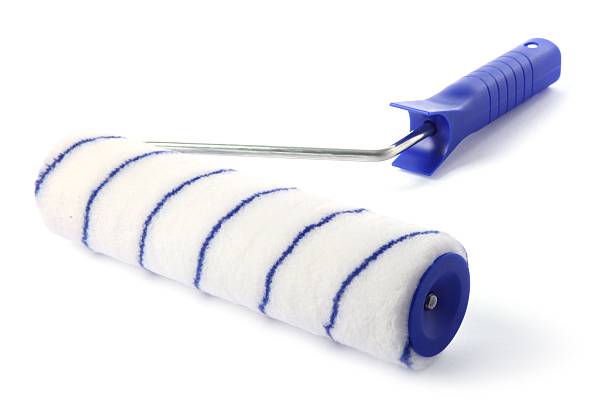
Most people think pros just move faster. That’s the whole secret, right? Not really. Speed helps, sure, but coverage is what actually makes a job look clean when you step back. No streaks, no thin patches, no weird lap lines showing up after it dries. That’s where tools start to matter more than effort. Somewhere in the middle of the job—usually after fighting with a standard roller—you start to see why guys switch to bigger setups like an 18 inch roller nap. It’s not about showing off. It’s about laying paint down evenly the first time so you’re not fixing it later. Because going back? That’s where time really gets wasted.
What Wide Rollers Actually Change On The Wall
A wide roller isn’t just a bigger version of what you already use. It changes how the paint goes on, how much area you cover in a pass, and even how your arm feels after an hour. With a wider frame, you’re cutting down overlap lines without even thinking about it. Fewer passes means fewer chances to mess up pressure or angle. And yeah, there’s a bit of a learning curve. First few strokes might feel awkward, maybe even a little heavy. But once it clicks, you’ll notice something—your finish looks more consistent without trying so hard. That’s the quiet advantage pros rely on.
The Role of Nap Thickness (And Why It Gets Ignored Too Often)
People focus on width and forget the nap. Big mistake. The nap thickness controls how much paint the roller actually holds and releases. Too thin, and you’re constantly reloading, dragging dry fibers across the surface. Too thick, and you’re leaving texture where you didn’t want it. Pros match the nap to the surface, not just the job. Smooth drywall? Keep it tighter. Rough surfaces? Go thicker, let the roller do the work. When paired with a wide roller, the right nap turns into a kind of rhythm—you load, roll, and it just spreads right. No fighting it.
Pressure Control Is Where Most People Mess It Up
Here’s something nobody likes to admit: most uneven coverage comes from pushing too hard. Not bad paint. Not the roller. Just too much pressure. With a wide roller, this gets even more obvious. Press too hard and you’ll squeeze out paint unevenly across the width. One side gets more, the other less. That’s how streaks happen. Pros keep a light, steady pressure. Almost feels like you’re floating the roller instead of pushing it. It’s subtle, but it changes everything. Let the roller and paint do the job. Your arms shouldn’t be doing all the work.
Loading the Roller Properly (It’s Not Just a Quick Dip)
You can spot an amateur in about ten seconds just by how they load a roller. Quick dip, shake it off, start rolling. That’s how you get patchy walls. With wide rollers, loading takes a bit more intention. You want even distribution across the entire nap. That means rolling it back and forth in the tray a few extra times, making sure both ends are equally saturated. Otherwise, you’re starting uneven before you even hit the wall. Pros take that extra moment. Doesn’t look flashy, but it saves a ton of correction work later.
Technique: Long Passes Beat Short Strokes Every Time
Short strokes feel controlled, but they create more problems than they solve. Every time you stop and restart, you risk leaving a line. With a wide roller, long, smooth passes are the move. Top to bottom, then slightly overlap on the next pass. Keep a wet edge going. That’s the phrase you’ll hear a lot, and yeah, it matters. Once the edge dries, blending gets tricky. Pros don’t rush, but they don’t stall either. There’s a pace to it. Almost boring to watch, honestly. But the results speak for themselves.
Where Wide Rollers Really Shine (Big Surfaces, Obviously—but Not Only That)
Large walls, ceilings, open spaces—yeah, that’s the obvious use. But wide rollers also help in places people don’t expect. Garages, basements, even certain exterior jobs. Anywhere consistency matters more than tight maneuvering. You’re not switching tools every few minutes. You’re staying in a flow. And that flow is what keeps coverage even. It’s less about brute force and more about reducing interruptions. Fewer breaks in motion, fewer chances to mess up the finish.
Mistakes That Kill Coverage (Even With Good Tools)
Bad prep. Rushing coats. Using the wrong nap. All the usual suspects. But there’s also the small stuff—like letting the roller dry out mid-job or not maintaining a wet edge. Even pros slip on these if they’re distracted. Another one? Overworking the paint. You roll, it looks fine, then you go back over it “just to be sure.” That’s when things start to streak. With wide rollers, overworking gets amplified. One extra pass can undo a smooth section. Sometimes the best move is to leave it alone.
Specialty Jobs Need Smarter Choices Too
Not every job is basic wall paint. When you get into coatings like epoxy, things change. The material is thicker, less forgiving, and coverage issues show up fast. This is where tool choice really matters. If you’re working on something like a pool or a coated surface, finding the best roller for epoxy pool paint isn’t optional—it’s the difference between a smooth finish and a mess you’ll have to sand down later. Wide rollers can still work here, but only if they’re designed for that kind of coating. Otherwise, you’re just spreading problems faster.
Why Pros Stick With What Works (Even If It Looks Simple)
There’s no secret trick most of the time. It’s just better tools used the right way. Wide rollers, the right nap, steady pressure, and a bit of patience. That’s it. Pros don’t chase fancy methods. They stick with what gives consistent results. And yeah, sometimes that means carrying a bigger, slightly awkward roller setup around the job. Not glamorous. But it works.
Conclusion
At the end of the day, better coverage isn’t about working harder—it’s about working smarter, even if that sounds a bit cliché. Wide rollers, especially setups like an 18 inch roller nap, give professionals an edge because they reduce the little mistakes that add up. Fewer lines, smoother coats, less backtracking. It’s not magic. Just solid technique paired with the right gear. And once you get used to it, going back to smaller rollers feels… kind of frustrating, honestly.