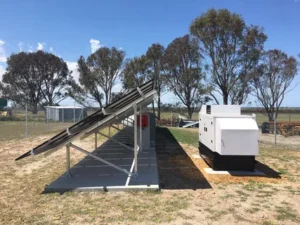
Farming depends on a steady and reliable water supply. In many farming areas, getting enough water can be difficult because electricity may be costly, power cuts can happen, and diesel pumps need regular fuel. Solar powered water pumping systems offer a practical way to move water for farms by using energy from the sun.
These systems use solar panels to produce electricity, which powers a water pump. The pump then moves water from a source such as a borewell, well, pond, river, or storage tank to fields, irrigation lines, or water tanks. Since sunlight is free and widely available, solar pumping can help farmers reduce their dependence on grid electricity and diesel fuel.
Understanding how these systems work can help farmers choose the right setup for their crops, water source, and daily irrigation needs.
What Is a Solar Powered Water Pumping System?
A Solar Water Pumping Systems is an irrigation setup that uses solar energy to operate a water pump. Instead of depending mainly on electricity from the grid or diesel, the system gets its power from solar panels.
The solar panels are installed in an open area where they can receive good sunlight. When sunlight reaches the panels, they produce electrical energy. This energy is sent to the pump through the system’s control equipment.
The pump uses this power to draw water from a source and move it to the required location. Depending on the farm design, the water can be sent directly to crops or stored in a tank for later use.
Main Parts of a Solar Water Pumping System
A typical system has several important parts. Each part has a specific job and works together to provide water for farming.
Solar Panels
Solar panels are the main source of energy. They capture sunlight and turn it into electrical power. The number and size of panels depend on the pump size, water requirement, pumping depth, and available sunlight.
Solar Water Pump
The pump moves water from the source to the farm. Different pumps are designed for different depths and water flow needs. Choosing the right pump is important because a small pump may not provide enough water, while an oversized pump may increase the system cost.
Pump Controller
The controller manages the power going from the solar panels to the pump. It helps the pump operate properly when the amount of sunlight changes during the day.
Pipes and Valves
Pipes carry water from the source to the field or storage tank. Valves help control the water flow and allow farmers to direct water to different parts of the farm.
Water Storage Tank
Some systems include a storage tank. During sunny hours, the pump can fill the tank. Farmers can then use the stored water when needed, including during periods when sunlight is weak.
How Solar Powered Water Pumping Systems Work

The working process is simple once the main parts are understood.
Step 1: Solar Panels Capture Sunlight
The process starts when sunlight reaches the solar panels. The panels convert sunlight into electrical energy.
The amount of energy produced depends on factors such as sunlight levels, panel size, weather, panel position, and the time of day.
During strong sunlight, the panels can produce more power. On cloudy days, power production may decrease, but the system can still produce some energy depending on the conditions.
Step 2: The Controller Manages the Power
The electricity produced by the solar panels passes through the pump controller. The controller helps supply suitable power to the pump.
Modern controllers can help the pump work with changing solar power during the day. This is useful because sunlight does not remain at the same level throughout the day.
Step 3: The Pump Starts Moving Water
Once suitable power is available, the water pump starts working. It draws water from the selected source.
The water source could be a:
- Borewell
- Open well
- Pond
- River
- Lake
- Water reservoir
- Storage tank
The pump must be selected according to the depth of the water source and the amount of water required by the farm.
Step 4: Water Moves Through Pipes
After the pump draws the water, it pushes the water through a network of pipes. The pipes carry water toward the irrigation area or storage tank.
The pipe design should match the pump capacity. Proper pipe sizing can help reduce water loss and improve the overall performance of the system.
Step 5: Water Reaches the Crops
Finally, water reaches the crops through an irrigation system. Depending on the farm, the water may be supplied through drip irrigation, sprinklers, or other irrigation methods.
Drip irrigation is often used where farmers want to deliver water close to the plant roots. Sprinkler systems can be useful for crops that require wider water coverage.
Why Solar Water Pumping Is Useful for Agriculture
Agriculture requires regular water, but traditional pumping methods can create high running costs. Solar pumping provides an alternative by using renewable energy.
Lower Dependence on Grid Electricity
Farmers in areas with limited grid access may face difficulties with electric pumps. Power cuts can also affect irrigation schedules.
A solar pumping system can provide water during sunny hours without depending entirely on the electrical grid.
Reduced Fuel Use
Diesel pumps require regular fuel. Fuel prices can change, and farmers need to store and transport fuel.
Solar pumps use sunlight instead of diesel. Once the solar system is installed, there is no need to buy fuel for normal pump operation.
Lower Running Costs
Solar energy is available without a direct fuel cost. This can help reduce regular pumping expenses over time.
However, the initial cost of installing solar panels, pumps, pipes, controllers, and other equipment should be considered when planning the system.
Useful in Remote Farming Areas
Solar pumping can be especially useful for farms located away from reliable electricity networks. If the area receives enough sunlight, a solar system can provide a practical source of pumping power.
Different Types of Solar Water Pumping Systems
Solar pumping systems can be designed in different ways depending on the water source and farm requirements.
Surface Solar Water Pumps
Surface pumps are generally used when the water source is close to the ground level or when the pump can be installed outside the water source.
They can be suitable for sources such as ponds, tanks, canals, and shallow water areas.
Submersible Solar Water Pumps
Submersible pumps are placed inside the water source. They are commonly used for deeper water sources such as borewells.
The pump pushes water upward through a pipe to the surface and then toward the irrigation system or storage tank.
Direct Solar Pumping Systems
In a direct system, solar panels power the pump during daylight hours. Water is pumped when enough solar energy is available.
Such systems can work well when irrigation is mainly required during the day.
Solar Pumping With Water Storage
Instead of storing electricity in batteries, farmers can store water in a tank. The pump fills the tank when solar energy is available, and the stored water can later be used for irrigation.
This approach can reduce the need for large battery systems in some agricultural applications.
How to Choose the Right Solar Pump
Choosing the correct pump is important for getting reliable results. Farmers should look at several factors before installing a system.
Check the Water Source
The first step is to understand where the water will come from. A borewell, pond, river, and storage tank can have different pumping requirements.
The depth of the water source also matters. A deeper water source usually requires a pump designed to lift water over a greater height.
Calculate Daily Water Needs
Farmers should estimate how much water their crops need each day.
Water needs can change based on:
- Crop type
- Farm size
- Soil type
- Weather
- Season
- Irrigation method
- Plant growth stage
Knowing the daily water requirement helps in selecting a suitable pump and solar panel capacity.
Consider Pumping Height
The system needs enough power to move water from its source to its final destination. The total lifting height and pipe distance should therefore be considered.
For example, a pump moving water from a shallow tank to a nearby field may need much less power than a pump lifting water from a deep borewell to a high storage tank.
Look at Available Sunlight
Solar systems work best when panels receive good sunlight. The installation location should have limited shade from trees, buildings, or other structures.
The panel angle and direction should also be planned properly for the local area.
Solar Water Pumping and Irrigation Methods
The solar pump provides the water, while the irrigation system decides how that water is delivered to crops.
Drip Irrigation
Drip irrigation delivers water close to the roots of plants. It can help farmers control water delivery and is useful for many vegetable, fruit, and row crops.
Sprinkler Irrigation
Sprinklers spread water over a wider area. They can be useful for fields where water needs to cover a larger surface.
Storage Tank Irrigation
A storage tank can collect water during sunny periods. Farmers can then use the stored water according to their irrigation schedule.
Maintenance of Solar Water Pumping Systems
Solar pumping systems still need regular care even though they have fewer moving parts than some traditional pumping setups.
Keep Solar Panels Clean
Dust, dirt, leaves, and other materials can reduce the amount of sunlight reaching the panels. Regular cleaning can help keep the panels working efficiently.
Check Pipes and Connections
Leaks can waste water and reduce system performance. Pipes, valves, and joints should be checked regularly.
Inspect the Pump
The pump should be checked according to the manufacturer’s maintenance instructions. Unusual sounds, reduced water flow, or changes in performance may indicate that inspection is needed.
Monitor Water Flow
Farmers should keep an eye on the amount of water being delivered. A sudden reduction in flow can point to issues with the pump, pipes, water source, or irrigation system.
Important Benefits for Modern Farming
Solar powered water pumping systems can support more efficient farm water management when they are correctly planned and installed.
They can provide:
- Renewable energy for water pumping
- Reduced dependence on diesel
- Lower reliance on grid electricity
- Useful pumping in remote areas
- Better control of irrigation schedules
- Reduced fuel handling
- Long-term use of solar energy
- Support for efficient irrigation methods
The actual savings and performance will depend on the system size, local sunlight, water depth, pump efficiency, maintenance, and irrigation needs.
Conclusion
Tamgo Tanzania Limited provide a simple way to use sunlight for agricultural water supply. Solar panels produce electricity, a controller manages that power, and the pump moves water from a source to a field or storage tank. The water can then be delivered through drip irrigation, sprinklers, or other suitable methods.
For farmers, the right system starts with understanding water needs, pumping depth, crop requirements, available sunlight, and irrigation design. A properly planned system can reduce dependence on diesel and grid electricity while making use of a renewable energy source.
For more insightful articles related to this topic, feel free to visit viralsocialtrends